




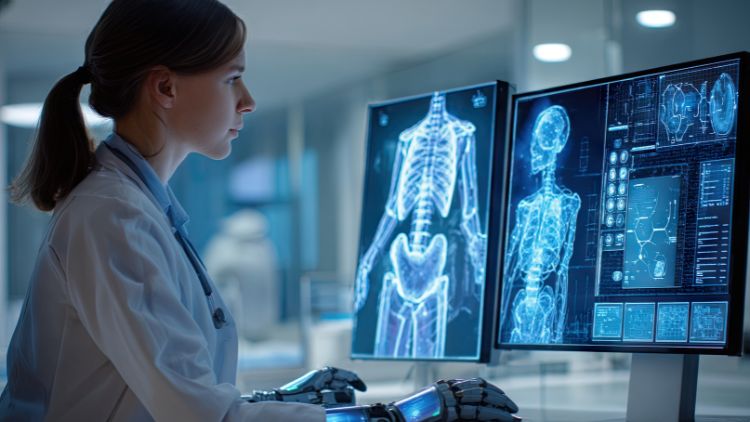
Technology giant Nvidia is making waves in the healthcare sector by deploying AI-powered robots and voice assistants in hospitals to tackle workforce shortages and enhance patient care. The initiative reflects a growing trend of integrating artificial intelligence into medical facilities, aiming to improve efficiency, reduce operational strain, and ensure higher quality service delivery.
AI Robots Addressing Critical Staff Shortages
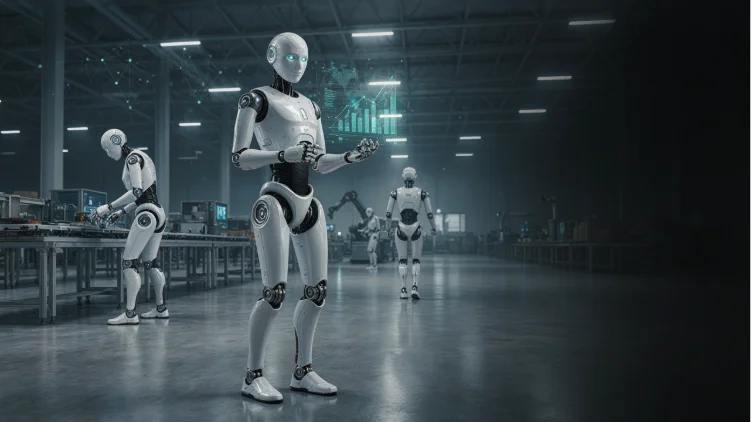
Hospitals around the globe are experiencing a significant shortage of medical staff, from nurses to administrative support, driven by increasing patient loads and an aging workforce. Nvidia’s AI robotics platform provides hospitals with intelligent solutions capable of performing repetitive or routine tasks, allowing human staff to focus on patient-centered care.
These AI robots are equipped with advanced sensors, machine learning algorithms, and real-time navigation systems that enable them to assist with deliveries, patient monitoring, and equipment management. By automating logistical tasks, hospitals can reduce wait times, improve workflow efficiency, and mitigate the burden on overworked medical personnel.
Nvidia’s collaboration with healthcare providers also emphasizes adaptive learning, allowing robots to improve performance over time by learning from interactions with staff, patients, and hospital environments. This adaptability ensures that AI tools remain relevant and responsive to dynamic healthcare needs.
Voice Assistants Streamlining Communication
Alongside robotics, Nvidia is deploying AI-driven voice assistants designed to enhance communication between patients and staff. These voice-enabled systems can handle routine inquiries, schedule appointments, provide medication reminders, and guide patients through hospital procedures.
Voice assistants not only reduce the administrative load on nurses and receptionists but also improve accessibility for patients who may have difficulty navigating complex hospital systems. Integration with electronic health records ensures that information provided is accurate, secure, and aligned with ongoing treatment plans.
Hospitals using Nvidia’s AI voice technology have reported more seamless interactions, fewer errors in patient scheduling, and improved patient satisfaction scores. The combination of robotics and voice assistants creates a synergistic approach to workforce optimization.
Transforming Operational Efficiency
The deployment of AI robotics and voice assistants has the potential to transform hospital operations. Hospitals are often challenged with high foot traffic, intricate scheduling demands, and resource constraints. By introducing AI solutions, Nvidia enables healthcare administrators to reallocate staff resources more strategically.
For example, AI robots can transport lab samples, deliver meals, or move medical supplies between departments. Meanwhile, voice assistants handle routine patient inquiries, freeing staff to focus on tasks requiring human judgment, empathy, and clinical expertise.
This strategic redistribution of responsibilities not only addresses immediate labor shortages but also enhances overall service delivery, ensuring that hospitals can meet patient demands without compromising care quality.
Impact on Patient Experience
Patient experience is a crucial factor in hospital reputation and outcomes. Nvidia’s AI tools contribute directly to this aspect by reducing delays, streamlining processes, and providing timely responses to patient needs.
Patients benefit from quicker delivery of medications, clear guidance on procedures, and prompt answers to common questions. The presence of AI robots and voice assistants also reduces the likelihood of staff burnout, indirectly enhancing the quality of human interactions with patients.
Healthcare providers implementing Nvidia’s AI solutions report higher operational accuracy, improved compliance with care protocols, and a noticeable uplift in patient satisfaction metrics. These benefits demonstrate the value of AI integration beyond mere automation.
Industry Implications
Nvidia’s initiative reflects a broader movement toward AI adoption in healthcare. As hospitals confront labor shortages and increasing operational pressures, AI technologies are emerging as essential tools for sustainability and efficiency.
The combination of robotics and voice assistants illustrates the potential for AI to address multiple challenges simultaneously workforce gaps, communication hurdles, and logistical inefficiencies. Industry observers predict that more healthcare systems will explore similar AI deployments, leveraging advanced technology to enhance both patient outcomes and staff well-being.
The deployment of Nvidia AI solutions also provides valuable data insights. Hospitals can track task completion, patient interactions, and operational bottlenecks, allowing management to make informed decisions regarding staffing, scheduling, and resource allocation. This data-driven approach reinforces the strategic value of AI in modern healthcare environments.
Future Prospects
Looking ahead, Nvidia plans to expand its AI healthcare offerings, integrating more sophisticated machine learning capabilities and expanding the range of tasks that robots and voice assistants can perform. Hospitals are exploring potential enhancements, such as predictive analytics for patient care, real-time monitoring of vital signs, and proactive scheduling adjustments.
The combination of robotics, AI voice technology, and analytics positions hospitals to operate more efficiently, respond more rapidly to patient needs, and navigate workforce shortages with minimal disruption.
Explore the latest innovations in AI, healthcare tech, and operational finance. Visit Businessinfopro Finance & Technology section for expert news and market insights.
Source: foxbusiness.com