





Businesses are rethinking workforce strategies as artificial intelligence, automation and digital transformation reshape the way organizations operate. From technology companies to financial institutions and marketing agencies, employers are increasingly focused on developing employees who can adapt to changing business requirements. Building a Future Ready Workforce has consequently become an important priority for organizations seeking to improve productivity, strengthen innovation and remain competitive.
The shift goes beyond hiring employees with technical expertise. Companies must also develop critical thinking, communication, problem solving and collaboration skills. Moreover, employees need opportunities to update their knowledge as technologies and customer expectations evolve.
As a result, workforce development is becoming a long term business priority rather than a responsibility limited to human resources departments.
AI Adoption Is Increasing Demand for New Skills
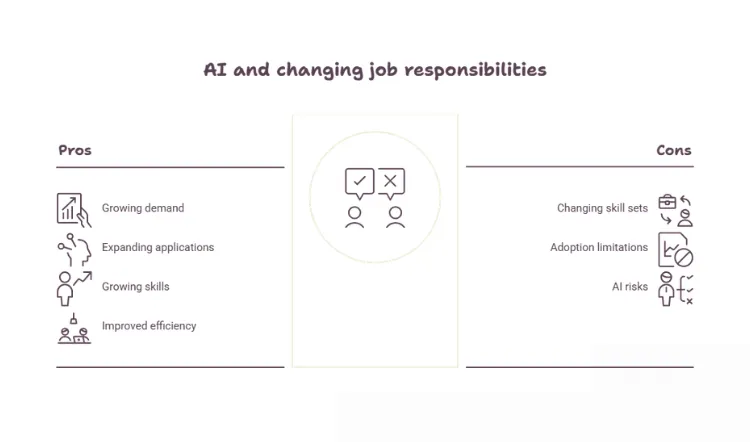
Artificial intelligence is changing job responsibilities across industries, creating demand for employees who can work effectively with digital tools. Businesses are exploring AI applications in customer service, financial analysis, software development, sales operations and marketing campaigns.
The World Economic Forum reported in its Future of Jobs Report 2025 that employers expect 39 percent of workers’ existing skill sets to be transformed or become outdated between 2025 and 2030. The report also identified AI and big data, networks and cybersecurity, and technological literacy among the fastest growing skills.
These findings highlight the importance of continuous learning. Employees who understand how to use emerging technologies can help organizations improve efficiency while maintaining human oversight and sound decision making.
However, technology adoption alone cannot guarantee better business performance. Employers must ensure that employees understand the limitations of AI, protect sensitive information and verify the accuracy of automated outputs.
Continuous Learning Is Becoming a Business Priority
Traditional training programs often focus on specific responsibilities or tools. Modern workforce development requires a more flexible approach that allows employees to learn throughout their careers.
Organizations are increasingly exploring online courses, internal mentoring, practical workshops and skills based training. These methods help employees develop relevant capabilities without necessarily leaving their existing roles.
Furthermore, businesses can identify skills gaps through performance reviews, employee feedback and workforce planning. Training can then focus on the capabilities most relevant to future business objectives.
For example, finance teams may benefit from data analysis and automation training, while sales professionals may need stronger customer relationship management and analytical skills. Marketing teams can develop expertise in AI assisted content workflows, campaign measurement and first party data analysis.
These investments can help organizations respond to changing market conditions while supporting employee development and internal mobility.
Human Skills Remain Essential in a Digital Workplace
Although digital skills are increasingly important, human capabilities remain central to business success. Communication, adaptability, leadership, creativity and emotional intelligence help employees navigate complex situations that technology cannot always resolve independently.
The World Economic Forum’s 2025 report identified analytical thinking as a core skill for employers. It also highlighted resilience, flexibility, agility and leadership among important workplace capabilities.
Consequently, employers should balance technical training with opportunities to strengthen interpersonal and decision making skills. Managers can encourage collaboration through cross functional projects, mentoring and structured feedback.
A workforce that combines technological knowledge with human judgment is better positioned to manage uncertainty, understand customer needs and identify opportunities for innovation.
Leadership and HR Strategies Must Evolve
Building a workforce prepared for future challenges requires coordinated action from business leaders, managers and HR teams. Organizations need to connect employee development with measurable business objectives rather than treating training as an isolated activity.
HR teams can begin by mapping existing employee skills against anticipated business needs. They can then develop targeted learning programs, create career progression opportunities and encourage employees to pursue relevant certifications.
Meanwhile, leaders must create an environment where learning is supported rather than treated as a distraction from daily work. Employees are more likely to develop new capabilities when managers provide time, resources and opportunities to apply their knowledge.
Businesses should also evaluate hiring practices. Skills based recruitment, internal promotions and reskilling programs can help employers identify talent beyond conventional qualifications and job titles.
The Business Impact of Workforce Transformation
A well planned workforce strategy can support productivity, operational resilience and employee engagement. Employees with relevant skills may adapt more quickly to new systems, identify process improvements and contribute to business innovation.
Additionally, investing in existing employees can help organizations fill certain vacancies internally and preserve valuable institutional knowledge. However, training requires time and resources, and results depend on the quality of the program, employee participation and opportunities to apply new skills.
Businesses should therefore measure outcomes using indicators such as skills assessment results, internal promotion rates, employee retention, productivity and training completion. These measures can help leaders understand whether workforce investments are delivering meaningful improvements.
Technology insights, IT industry news and HR trends and insights increasingly intersect as companies determine how people and technology can work together effectively. Similar considerations also influence finance industry updates, sales strategies and research, and marketing trends analysis.
What Businesses Should Know
Building a Future Ready Workforce requires a practical strategy that connects technology adoption, continuous learning and employee development. Businesses should identify emerging skills gaps, provide accessible training and create opportunities for employees to apply new knowledge in real working environments.
Organizations should also review their workforce plans regularly because technological capabilities, customer expectations and market conditions continue to change. A single training initiative is unlikely to meet every future requirement.
Ultimately, businesses that combine digital expertise with critical thinking, adaptability and responsible leadership can establish a stronger foundation for sustainable growth. Preparing employees for change can help organizations respond to new opportunities while building a more capable and resilient workforce.
For more business developments, technology insights and workplace trends, visit BusinessInfoPro.com.
Stay informed with industry news and practical insights to support smarter business decisions and long term growth.