






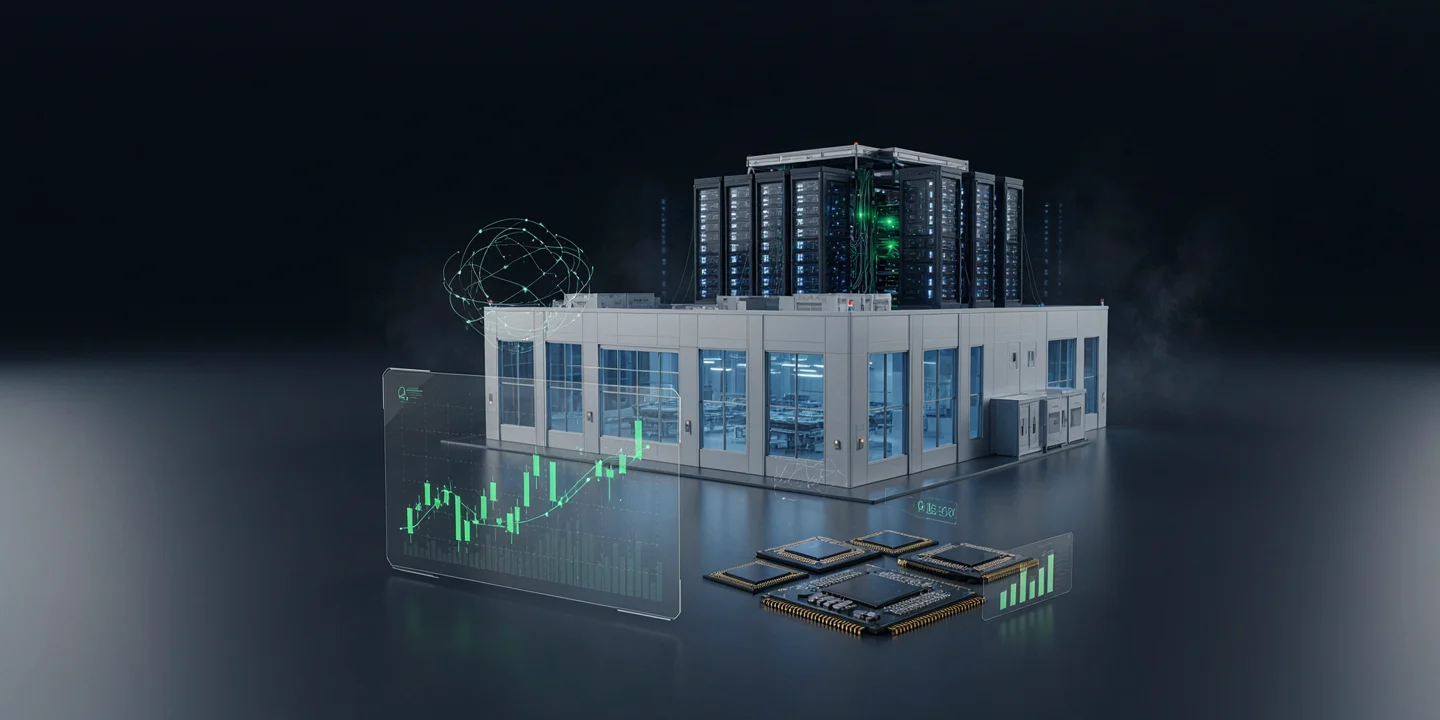
SpaceX has reported a sharp increase in revenue as its Starlink satellite internet business and artificial intelligence operations drive growth beyond traditional rocket launches. The company’s latest financial results highlight its transformation into a broader technology and infrastructure business, with major investments in satellite connectivity, AI computing and next generation space systems.
In its first earnings report since going public, released in August 2026, SpaceX reported quarterly revenue of approximately $7.8 billion for the three months ended June 30, nearly double the $4.1 billion recorded a year earlier. However, executives also highlighted the significant spending required to support the company’s ambitious expansion plans.
The results underline a major shift in the space industry, where recurring technology revenue is becoming increasingly important alongside launch contracts and government missions.
Starlink Remains the Main Revenue Driver
Starlink, SpaceX’s satellite broadband service, continues to play a central role in the company’s financial performance. By delivering internet connectivity through a growing constellation of low Earth orbit satellites, the service targets households, businesses, airlines, maritime operators and customers in remote locations.
According to SpaceX’s 2026 public filings, its connectivity business generated approximately $11.39 billion in revenue during 2025, an increase of 49.8 percent from the previous year. The segment also recorded operating income of approximately $4.42 billion, demonstrating its growing contribution to the company’s finances.
Moreover, enterprise and government demand is expanding the business beyond residential subscriptions. Companies operating in areas with limited terrestrial infrastructure can use satellite connectivity to support communications, operational systems and business continuity.
Starlink’s recurring subscription model provides a potentially more predictable revenue stream than individual rocket launches. Consequently, continued subscriber growth and improved network efficiency could help SpaceX finance other long term projects.
Artificial Intelligence Adds a New Growth Opportunity
Artificial intelligence has become another major component of SpaceX’s strategy. Following its integration with Elon Musk’s AI business, xAI, the company is pursuing opportunities in AI models, computing infrastructure and data center development.
SpaceX filings reported approximately $3.2 billion in AI segment revenue for 2025, up 22.2 percent from $2.62 billion in 2024. Nevertheless, the AI business also faces substantial costs associated with computing hardware, data centers, infrastructure and research.
Reuters reported in April 2026 that SpaceX’s AI operations recorded an operating loss of approximately $6.4 billion in 2025. The figures illustrate the financial challenge of scaling AI services, even as demand for computing capacity continues to grow.
Furthermore, SpaceX has discussed ambitions to develop space based computing infrastructure. Such projects could eventually create new opportunities, although their commercial viability depends on technical progress, launch costs, energy requirements and customer demand.
Rising Revenue Comes With Higher Spending
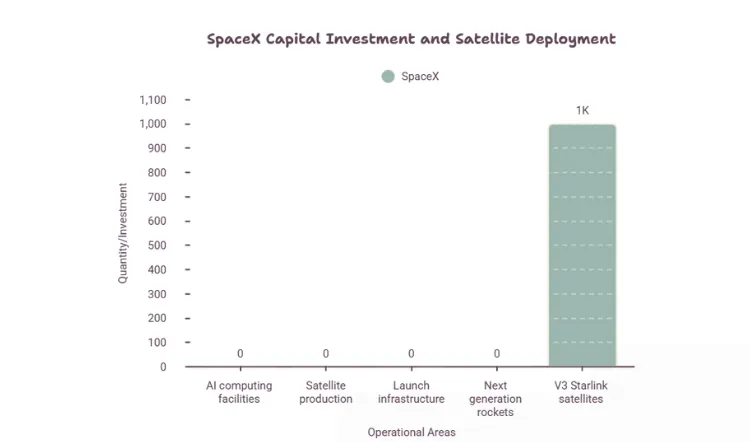
The company’s expanding operations require significant capital investment. AI computing facilities, satellite production, launch infrastructure and next generation rockets all demand substantial funding before their full commercial potential can be realised.
Reuters reported in August 2026 that SpaceX expected its revenue run rate to reach $100 billion by December. This is a forward looking company target rather than a confirmed full year revenue result.
Meanwhile, the company has indicated plans to deploy at least 1,000 next generation V3 Starlink satellites within a year. These satellites are intended to strengthen network capacity and support the expansion of its services.
However, ambitious growth targets do not guarantee future profitability. Investors must consider operating costs, capital expenditure, competition and the time required for new technologies to generate sustainable returns.
What SpaceX Growth Means for the Technology Industry
SpaceX’s expansion reflects broader developments across the technology and finance sectors. Satellite internet is creating new connectivity options for businesses, while AI infrastructure is attracting investment from companies seeking access to advanced computing resources.
For telecommunications providers, Starlink represents growing competition in markets where conventional broadband coverage is limited. For enterprises, satellite connectivity can provide an additional option for connecting remote offices, transport operations and industrial facilities.
Additionally, demand for AI computing could influence investment in semiconductors, data centers, energy infrastructure and cloud services. These developments offer opportunities for technology suppliers while increasing pressure on companies to manage infrastructure costs.
The strategy also carries risks. Regulatory requirements, orbital congestion, technical challenges and intense competition could affect expansion plans. In AI, revenue growth will need to justify the considerable expense of developing and operating computing systems.
What Businesses Should Know
SpaceX’s financial performance demonstrates how businesses can combine recurring service revenue with emerging technology investments to pursue new markets. Starlink provides an established connectivity business, while AI offers opportunities for expansion into a rapidly developing sector.
Companies evaluating similar strategies should monitor customer demand, infrastructure costs and the time needed to achieve returns. Furthermore, businesses should assess whether new technology investments strengthen their core operations or introduce financial risks that outweigh the expected benefits.
The wider lesson is that revenue growth must be supported by operational efficiency and sustainable economics. SpaceX’s next phase will depend not only on expanding its satellite network and AI capabilities, but also on turning those investments into durable financial performance.
For more updates on technology insights, finance industry updates and emerging business developments, visit BusinessInfoPro.com.
Explore our latest business news and industry analysis to stay informed about the trends shaping global markets and technology.