





Bitcoin traded near $86,000 in early October 2026 as weaker than expected US employment data reduced expectations of another Federal Reserve interest rate hike. The shift offered temporary support to cryptocurrency markets, where investors closely monitor inflation, borrowing costs and broader financial conditions.
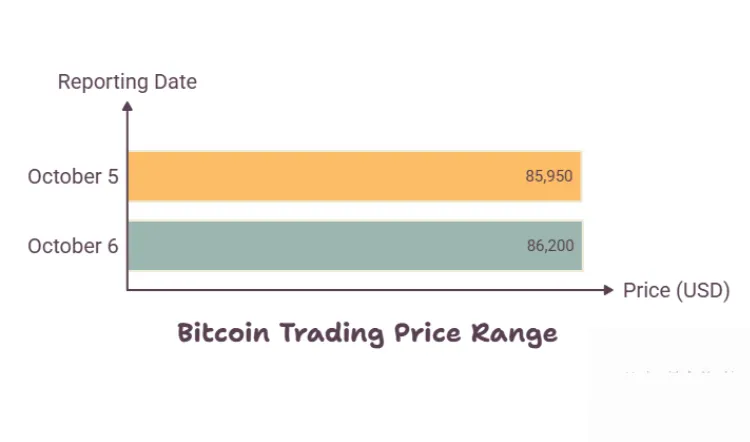
According to reports published on October 5 and 6, Bitcoin traded around $85,950 to $86,200. Market participants viewed the softer employment outlook as a potential sign that the Federal Reserve could avoid further monetary tightening in October. However, the recovery remained vulnerable to inflation concerns, elevated Treasury yields and uncertainty surrounding the central bank’s next decision.
The changing outlook highlights how closely digital assets remain connected to traditional financial markets, particularly US monetary policy and investor appetite for risk.
Weaker Jobs Data Changes Market Expectations
US employment figures played an important role in shaping market sentiment during the first week of October. Softer labor market conditions encouraged traders to reconsider the likelihood of another interest rate increase at the Federal Reserve’s October meeting.
When expectations for higher interest rates decline, investors may become more willing to allocate capital to assets such as Bitcoin. Lower expected borrowing costs can also improve financial conditions and reduce the relative appeal of interest bearing investments.
However, an anticipated pause does not guarantee that monetary policy will become more supportive. The Federal Reserve continues to weigh employment conditions against its responsibility to maintain price stability.
Bitcoin Faces Resistance Despite Renewed Optimism
Although Bitcoin benefited from changing rate expectations, the cryptocurrency faced resistance around $87,000 to $88,000 during the early October recovery.
Market reports also highlighted mixed activity in US listed spot Bitcoin exchange traded funds. According to FXStreet, these funds recorded approximately $241.09 million in net inflows during the week reported on October 5, extending their positive inflow streak to three weeks.
Institutional demand can provide additional support by increasing exposure to Bitcoin through regulated investment products. Nevertheless, ETF inflows alone cannot guarantee continued price appreciation, particularly when broader economic conditions remain uncertain.
Furthermore, elevated US Treasury yields and oil prices above $100 per barrel were identified as potential pressures on investor confidence. Higher yields can make traditional fixed income investments more attractive relative to volatile assets, while expensive energy can complicate the inflation outlook.
Inflation Remains a Major Risk for Cryptocurrency Markets
The outlook changed considerably when subsequent US inflation data renewed concerns about additional monetary tightening. On October 14, Federal Reserve officials continued to face pressure to address inflation that remained above the central bank’s long term target.
Reuters reported that San Francisco Federal Reserve President Mary Daly said further rate increases were likely to be needed, although she did not consider immediate action urgent. The report also noted that September consumer inflation had risen 3.7 percent year over year.
Meanwhile, Bitcoin came under renewed selling pressure. The Block reported on October 14 that the cryptocurrency had fallen below $82,000 after stronger than expected underlying inflation figures revived concerns about interest rates.
These developments demonstrate why the earlier move toward $86,000 should not be interpreted as a confirmed long term recovery. Market expectations can change rapidly when new economic data becomes available.
What Businesses Should Know
Bitcoin’s price movements offer important insights for businesses, investors and financial decision makers. Companies exploring cryptocurrency payments, digital asset holdings or blockchain based services should account for the influence of monetary policy on market valuations.
Finance teams should assess liquidity needs, risk exposure and the potential impact of sudden price movements before making cryptocurrency related decisions. Businesses accepting Bitcoin as payment may also need clear policies for conversion, accounting and managing price fluctuations.
Additionally, technology companies and financial service providers should monitor regulatory developments alongside market trends. The relationship between interest rates, institutional investment and digital assets remains important for understanding changes in the wider financial services sector.
For investors, the key indicators to watch include upcoming US inflation releases, employment data, Treasury yields, Federal Reserve communications and spot Bitcoin ETF flows. Together, these factors may help explain whether Bitcoin can regain momentum or faces further downside pressure.
The near term outlook remains uncertain. Although easing rate hike expectations initially supported Bitcoin near $86,000, renewed inflation concerns show that sustained gains will depend on more than monetary policy expectations alone.
Stay informed with the latest finance industry updates, market developments and business analysis at BusinessInfoPro.com.
Visit BusinessInfoPro for timely reporting and practical insights that help businesses understand changing financial and technology trends.