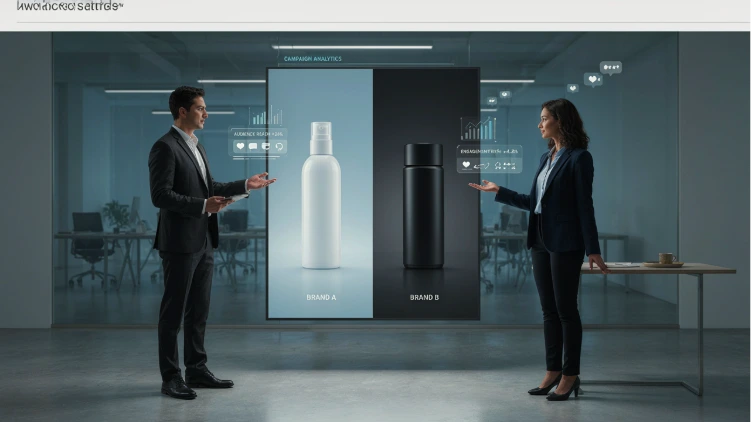





Businesses are rethinking how they identify prospects, build relationships, and generate qualified leads as B2B buyers become more selective about sales outreach. Social selling and cold email remain important prospecting methods, but they approach customer engagement differently. While social selling focuses on building trust through professional networks and relevant content, cold email allows sales teams to contact potential buyers directly.
The debate around Social Selling vs Cold Email is increasingly relevant for sales and marketing teams seeking more efficient ways to reach decision makers. Rather than treating the approaches as competitors, many businesses can benefit from combining them within a coordinated prospecting strategy.
How Social Selling Builds Buyer Relationships
Social selling involves using professional networks, industry discussions, and useful content to identify potential customers and develop relationships. LinkedIn is a prominent platform for this approach, particularly among businesses targeting executives, sales leaders, technology professionals, and other decision makers.
Sales professionals can engage with prospects by commenting on relevant discussions, sharing industry insights, and responding to business challenges. Consequently, conversations can develop before a direct sales pitch takes place.
However, social selling requires consistency. Building credibility through meaningful interactions takes time, and a growing network does not automatically translate into qualified leads or revenue. Sales teams must connect engagement activities to clear business objectives.
Why Cold Email Remains Important for Lead Generation
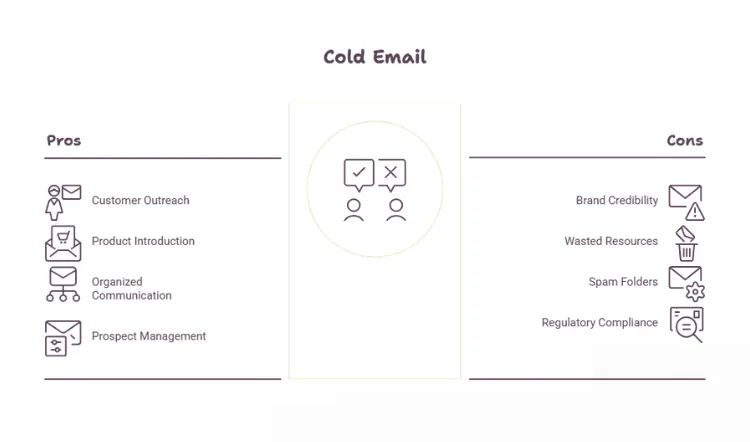
Cold email allows businesses to contact potential customers who have not previously interacted with their sales teams. By researching target accounts and identifying relevant decision makers, sales representatives can introduce products, explain potential business benefits, and request a meeting.
Moreover, email provides a direct communication channel that businesses can organize through customer relationship management systems and sales engagement platforms. Teams can segment prospects, personalize messages, schedule follow ups, and measure responses.
However, poorly targeted or generic emails can damage brand credibility and waste sales resources. Deliverability also matters because messages that reach spam folders are unlikely to generate meaningful conversations. Businesses must additionally follow applicable privacy, marketing, and email regulations in the markets they serve.
What Sales Research Reveals About Buyer Engagement
Industry research highlights the importance of understanding buyer preferences rather than relying on a single outreach channel. LinkedIn’s annual B2B marketing research and sales resources regularly emphasize professional relationships, relevant content, and trust as important elements of business engagement.
Meanwhile, Salesforce’s State of Sales research examines changing buyer expectations, sales productivity, and the role of technology in sales organizations. These research areas reinforce the importance of relevant communication and informed prospecting.
However, no universal statistic establishes that social selling consistently outperforms cold email across every industry. Results depend on factors such as audience quality, product complexity, sales cycle length, message relevance, and the experience of the sales team. Businesses should therefore evaluate their own conversion data instead of relying on broad performance claims.
Social Selling vs Cold Email and Their Key Differences
Social selling is particularly useful when trust, industry credibility, and ongoing relationships influence purchasing decisions. It can help sales professionals understand prospects’ interests and recognize potential buying signals before initiating direct conversations.
Cold email, meanwhile, is useful when businesses need to reach a defined list of relevant prospects efficiently. It also provides measurable indicators such as delivery rates, replies, and meetings booked, although these metrics must be interpreted carefully.
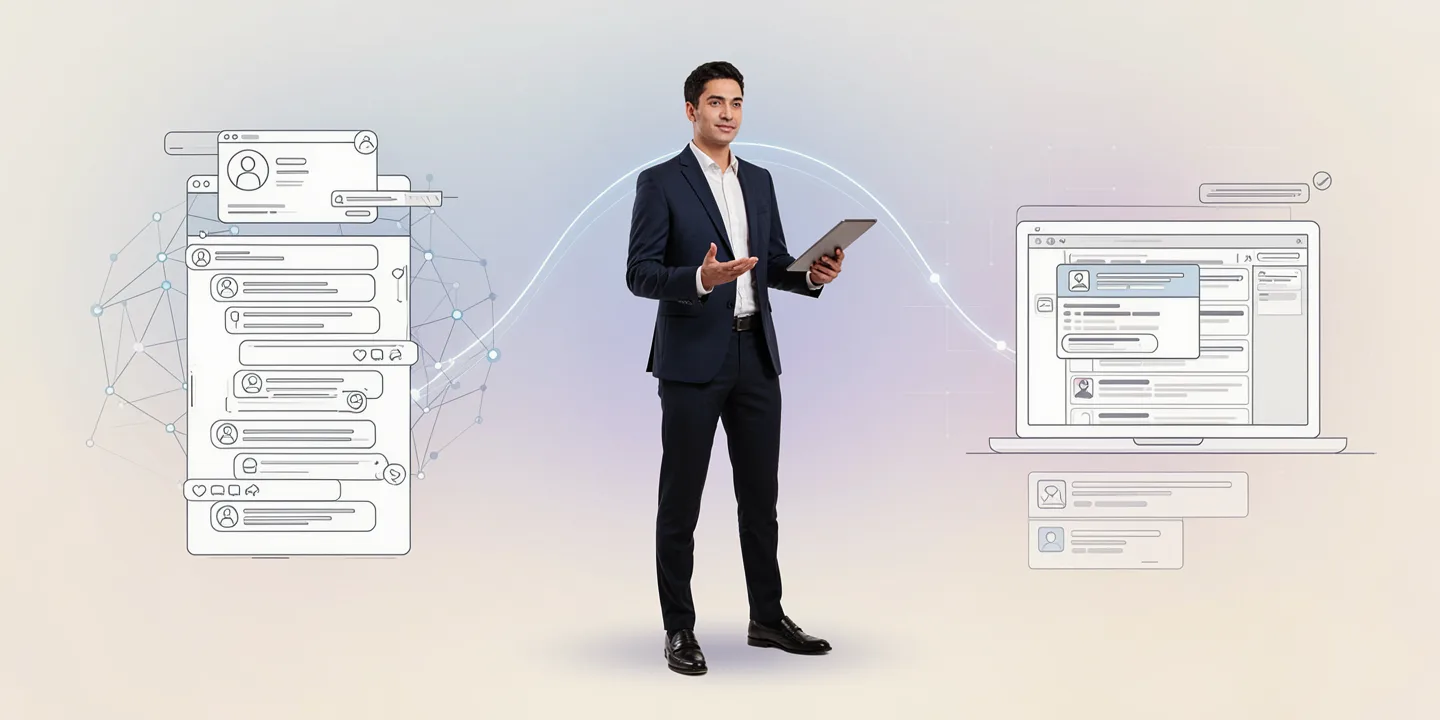
Furthermore, social engagement can make a subsequent email feel more relevant, while an email conversation can create opportunities for continued engagement on professional networks. The strongest approach often depends on the buyer’s preferences and the complexity of the offering.
How AI and Sales Technology Are Changing Prospecting
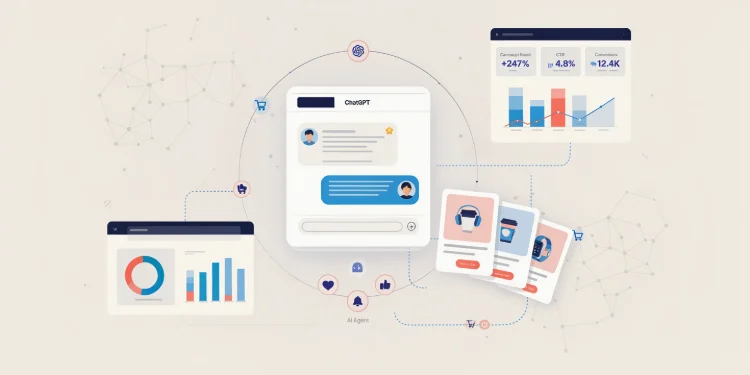
Artificial intelligence is influencing prospect research, account prioritization, message drafting, and sales workflow automation. Modern sales platforms can help teams organize prospect information, identify relevant business signals, and personalize outreach at scale.
Additionally, CRM integrations make it easier to track interactions across email and social channels. However, automation cannot replace accurate research, sound judgment, or authentic communication. Incorrect personalization and excessive automated outreach can reduce trust rather than improve engagement.
These developments connect with broader technology insights and marketing trends analysis as companies seek to balance productivity with more meaningful customer relationships.
What Businesses Should Know
Businesses should choose prospecting methods according to their target audience, available resources, and sales objectives. Social selling can support long term relationship building, while cold email can provide a direct route to qualified prospects. Combining both methods may help sales teams create more relevant and consistent buyer journeys.
Companies should track qualified replies, meetings booked, opportunities created, conversion rates, and revenue rather than measuring success through connection counts or email opens alone. They should also test different approaches, maintain accurate prospect data, and respect applicable communication regulations.
For B2B organizations, the goal is not simply to send more messages. It is to reach the right decision makers with relevant information at the right time.
For more updates on sales strategies and research, business technology, and marketing developments, visit BusinessInfoPro.com.
Explore BusinessInfoPro.com for practical business insights and reporting that help organizations make informed decisions.