





Understanding how much value a customer can bring to a business over time has become increasingly important. In a competitive digital market, companies cannot rely only on acquiring new customers. Instead, they need to understand customer behavior, strengthen relationships, and create experiences that encourage people to stay longer.
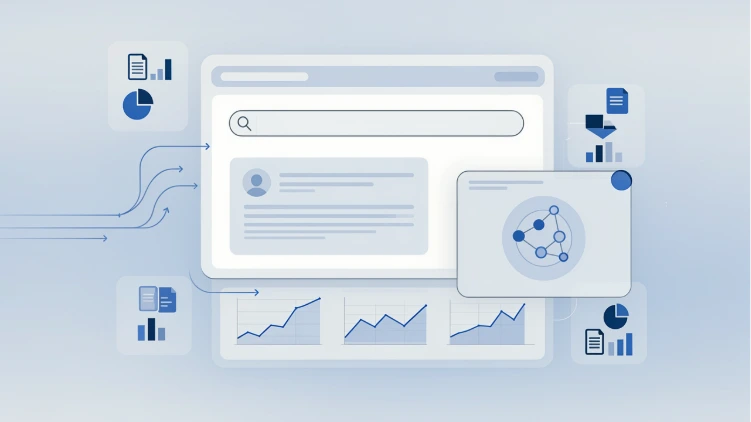
This is where artificial intelligence is changing the way businesses approach Customer Lifetime Value. By analyzing large volumes of customer data, AI can identify patterns, predict future behavior, and help companies make smarter decisions about where to invest their time and resources.
Why Customer Value Matters More Than Ever
Revenue growth is not simply about increasing the number of customers. A business can attract thousands of new buyers and still struggle if those customers make only one purchase. Therefore, understanding long term customer value gives companies a clearer picture of sustainable growth.
Traditionally, businesses estimated customer value using historical purchase information, average order values, and retention rates. However, these methods often provide a limited view because customer behavior can change quickly.
AI introduces a more dynamic approach. Instead of looking only at what customers have already done, intelligent systems can analyze what they are likely to do next.
As a result, businesses can make more informed decisions about marketing, sales, customer service, and retention.
How AI Predicts Customer Lifetime Value
AI systems can examine customer interactions across multiple channels. These interactions may include purchases, website activity, email engagement, product usage, support conversations, and responses to marketing campaigns.
Furthermore, machine learning models can compare current behavior with patterns found across similar customer groups. If a customer frequently purchases products, responds to personalized offers, and actively engages with a brand, the system may identify that customer as having strong future potential.
Conversely, declining engagement, fewer purchases, or repeated service complaints may indicate a higher risk of customer churn.
Because these models can process information continuously, companies can update their predictions as new customer data becomes available. Consequently, businesses gain a more flexible understanding of future revenue opportunities.
Personalization Can Increase Customer Value
Predicting customer behavior is only one part of the opportunity. Businesses also need to act on those insights.
AI can help companies create more relevant customer experiences by identifying individual preferences and purchasing patterns. For example, an online retailer can recommend products based on previous purchases and browsing behavior.
Similarly, a software company can identify customers who may benefit from premium features and provide relevant education before presenting an upgrade opportunity.
Therefore, personalization can help businesses move away from generic campaigns and toward experiences that feel more useful and timely.
This approach also connects closely with marketing trends analysis, where data driven personalization is becoming increasingly important for customer engagement and revenue growth.
AI Helps Improve Customer Retention
Acquiring a new customer can require significant investment. For that reason, retaining existing customers can have a major impact on business performance.
AI can identify signals that suggest a customer may leave. These signals can include reduced activity, lower purchase frequency, abandoned transactions, or negative interactions with support teams.
Once these patterns are detected, companies can respond earlier. A customer might receive helpful content, a personalized offer, additional support, or an improved product experience.
As a result, businesses can focus retention efforts on customers who are most likely to respond rather than sending the same message to everyone.
Better Decisions Across Business Teams
The benefits of AI extend beyond marketing departments. Sales teams can use predictive insights to prioritize accounts with strong growth potential. Customer service teams can identify valuable customers who may require immediate attention.
Likewise, finance teams can use predictive customer information when planning future revenue and resource allocation.
Meanwhile, technology insights can help organizations understand how analytics platforms, customer data systems, and AI applications can work together.
In addition, HR trends and insights can help companies recognize the importance of building teams with strong data and AI skills. As intelligent tools become more common, employees need to understand how to interpret insights rather than simply collect information.
The Connection Between AI and Revenue Growth
AI driven customer analysis can have a direct impact on revenue strategy. When businesses understand which customers are likely to purchase more, remain loyal, or leave, they can allocate resources more effectively.
For example, sales teams can spend more time developing high potential accounts. Marketing teams can create campaigns based on predicted customer needs. Product teams can identify features that encourage continued usage.
At the same time, finance industry updates increasingly highlight the importance of predictive analytics and data driven planning across modern organizations.
Consequently, AI can help connect customer behavior with broader revenue decisions.
The Importance of Data Quality
Although AI can provide powerful insights, its predictions depend heavily on the quality of the data behind them. Incomplete customer profiles, duplicate records, outdated information, or disconnected systems can reduce prediction accuracy.
Therefore, businesses should establish strong data management practices before relying heavily on AI predictions.
Companies should also consider privacy, transparency, and responsible data usage. Customers need confidence that their information is being handled appropriately.
When data quality and responsible practices work together, AI becomes much more valuable as a business decision making tool.
Sales and Marketing Can Work Together
AI can also bring sales and marketing teams closer together. Marketing teams can identify customers who show strong buying signals, while sales teams can use those insights to create more relevant conversations.
Furthermore, sales strategies and research can reveal which customer segments respond best to specific offers, pricing approaches, and communication styles.
This creates a continuous feedback loop. Marketing generates engagement, sales develops opportunities, customer interactions generate new data, and AI uses that information to improve future predictions.
Over time, this process can create a stronger foundation for sustainable revenue growth.
Actionable Insights for Smarter Customer Growth
Businesses looking to use AI effectively should begin by identifying the customer behaviors that have the strongest connection with revenue and retention. Next, they can combine purchase history, engagement information, customer service activity, and product usage into a reliable data foundation.
After that, companies can use predictive models to identify valuable customers and customers who may be at risk of leaving. However, predictions should always support human decision making rather than replace it completely.
Most importantly, businesses should regularly measure whether AI driven recommendations actually improve retention, engagement, conversion rates, and revenue.
By combining accurate data, intelligent predictions, personalized experiences, and strong customer relationships, organizations can turn AI into a practical growth engine.
For more technology insights, business intelligence, and strategies for sustainable growth, connect with BusinessInfoPro.