




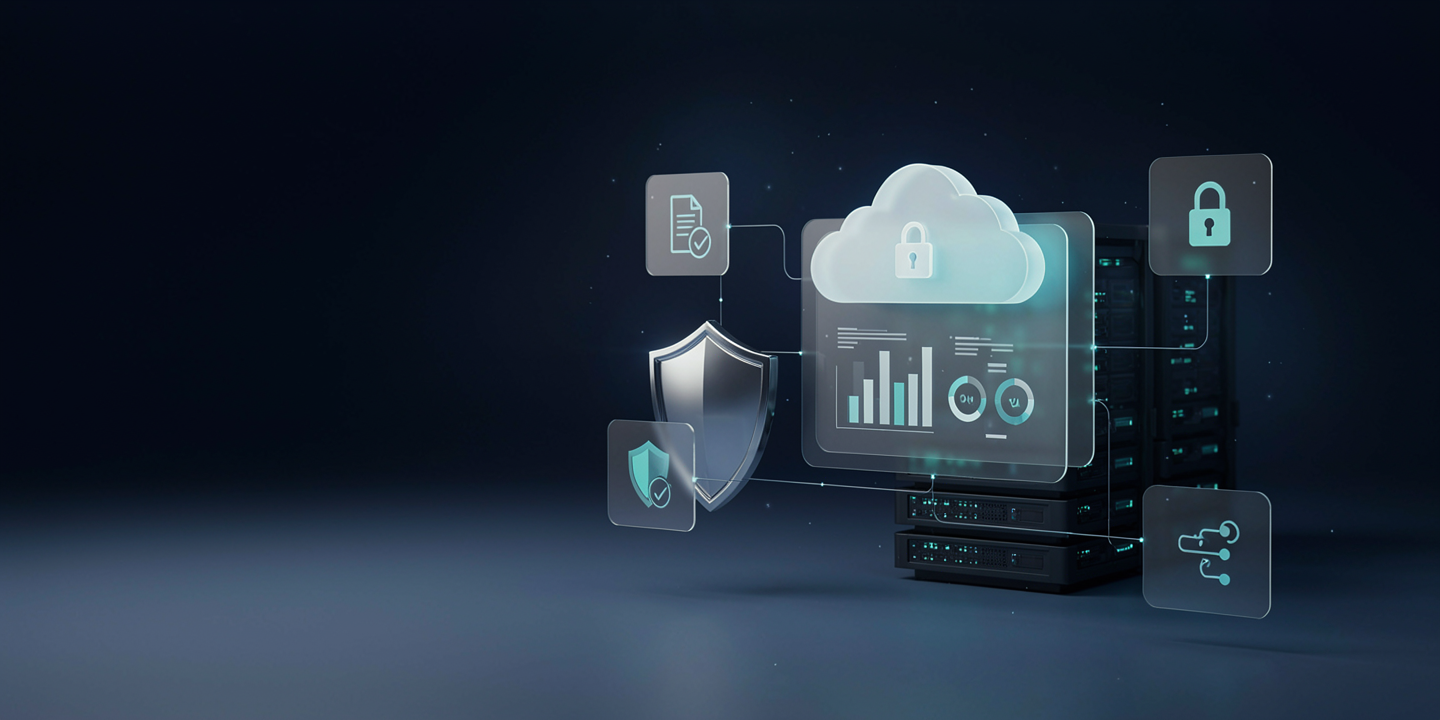
SaaS Compliance has become a key priority for software companies in 2026. Businesses now rely on cloud applications for customer data, payments, employee records, and daily operations. As a result, customers expect SaaS providers to show strong security and privacy practices.
Compliance is no longer just a box to check during enterprise sales. It now plays an important role in building trust, reducing risk, and keeping long-term customer relationships.
For SaaS companies, frameworks such as SOC 2, ISO 27001, and GDPR are important. At the same time, companies must deal with new privacy rules, cyber threats, AI risks, and stricter customer security checks.
What Is SaaS Compliance?
SaaS Compliance covers the policies, security controls, processes, and practices that a Software as a Service company uses to meet legal, regulatory, industry, and contract requirements.
A SaaS platform may handle sensitive customer information, login details, financial records, employee data, health information, or other private business data. Compliance helps companies control how they collect, store, access, use, and protect this information.
The exact requirements vary by company. Location, industry, customers, data types, and target markets can all affect compliance needs.
Why SaaS Compliance Matters in 2026
The SaaS industry now depends on connected cloud systems and many third-party services. This creates new security and privacy concerns for software providers.
Customers have also become more careful when they choose SaaS vendors. Before buying an enterprise solution, they may ask for security questionnaires, audit reports, penetration testing results, data processing agreements, and compliance certificates.
Strong SaaS Compliance can support both risk management and business growth. A good compliance program can lower the risk of security incidents, improve internal processes, support enterprise sales, and show customers that data protection matters.
SOC 2 for SaaS Companies
SOC 2 is one of the most widely known compliance frameworks for SaaS businesses. It is especially common among companies that sell to organizations in North America.
SOC 2 covers controls linked to security and other Trust Services Criteria. These include availability, processing integrity, confidentiality, and privacy. An independent examiner reviews the company’s controls. Depending on the engagement, the review may also cover how well those controls work over time.
For SaaS businesses, SOC 2 can give customers more confidence in areas such as access management, employee security, system monitoring, incident response, and data protection.
The framework can be especially useful for SaaS companies that target enterprise customers. Security and compliance checks often form part of the vendor buying process.
ISO 27001 and SaaS Compliance
ISO 27001 provides a global framework for creating and managing an Information Security Management System, also known as an ISMS.
The standard takes a broad, risk-based approach to information security. Companies identify security risks, choose suitable controls, monitor those controls, and improve their security systems over time.
For SaaS providers that operate across countries, ISO 27001 can offer significant value. The standard has global recognition and can show that a company follows a structured approach to security risk.
SOC 2 and ISO 27001 can also work together. The two frameworks have different requirements, but many security controls overlap. Companies can use these shared controls to build one strong compliance program instead of managing each framework separately.
GDPR and SaaS Data Privacy
The General Data Protection Regulation, or GDPR, remains important for SaaS companies that handle personal data linked to people in the European Economic Area.
GDPR focuses on privacy rights, lawful data use, transparency, data minimization, security, and accountability. SaaS providers must understand whether they act as data processors or controllers based on how they handle personal information.
Important areas include privacy notices, data processing agreements, security measures, data subject requests, data retention, and personal data breach response.
GDPR compliance should not become a one-time project. Companies need to include privacy in product development, data management, vendor relationships, and daily business operations.
SaaS Compliance Goes Beyond SOC 2, ISO 27001 and GDPR
In 2026, SaaS companies may need to meet several compliance requirements. Their needs depend on their customers, industry, and target markets.
Healthcare companies may face requirements such as HIPAA in the United States. Businesses that process payment card data may need to follow PCI DSS. Financial companies can also face extra cybersecurity and operational requirements.
AI is creating another layer of compliance concerns. SaaS companies that add AI features need to consider data governance, model security, transparency, access controls, privacy, and responsible AI practices.
Modern SaaS Compliance now combines security, privacy, governance, risk management, and operational controls.
Building a SaaS Compliance Program
A strong compliance program should start with a clear view of the company’s data, systems, customers, and legal duties.
First, the company should identify the information it collects and where it stores and processes that information. Next, it should assess the risks and create suitable controls.
These controls may cover identity and access management, encryption, vulnerability management, employee security, backups, monitoring, incident response, and third-party vendors.
Good documentation also matters. Security policies, procedures, risk assessments, access reviews, incident records, vendor checks, and employee training records can show that teams follow the required controls.
Automation can make compliance easier. Modern compliance platforms can monitor controls, collect evidence, track security tasks, find gaps, and simplify audit preparation. This can reduce manual work as the company grows.
Continuous Compliance Is the New Standard
SaaS Compliance is moving from periodic audits toward continuous monitoring.
A company cannot pass an audit once a year and ignore security for the rest of the year. Cloud systems, employees, software tools, vendors, and cyber threats can change every day.
Continuous compliance helps companies monitor important controls throughout the year. Automated alerts, access reviews, vulnerability scans, policy management, asset monitoring, and evidence collection can help teams find problems earlier.
This approach can also make future audits easier. Teams can maintain evidence throughout the year instead of trying to rebuild records just before an assessment.
The Future of SaaS Compliance
SaaS Compliance will continue to change as businesses adopt cloud systems, AI, automation, and connected technology.
Customers will likely demand more transparency from SaaS providers. Regulators will also continue to focus on data protection and cybersecurity.
Companies that make compliance part of their security and product strategy can respond more effectively to these changes.
The future of SaaS Compliance is not simply about getting SOC 2 or ISO 27001 certification. It is about creating an ongoing culture of security and good governance.
That culture should protect customer information, manage business risk, and adapt to new requirements.
Conclusion
SaaS Compliance has become a core part of running a modern software business. SOC 2 can help companies show that they maintain strong security controls. ISO 27001 offers a structured approach to information security. GDPR sets important rules for protecting personal data.
However, compliance in 2026 goes beyond these major frameworks. SaaS companies must also consider industry rules, third-party risks, AI, privacy, and continuous security monitoring.
Companies that build compliance into daily operations can gain more than audit readiness. They can improve security, build customer trust, support enterprise growth, and create a stronger SaaS business.
Connect with BusinessInfoPro to discover expert perspectives that help you navigate changing business, technology, and financial landscapes.