




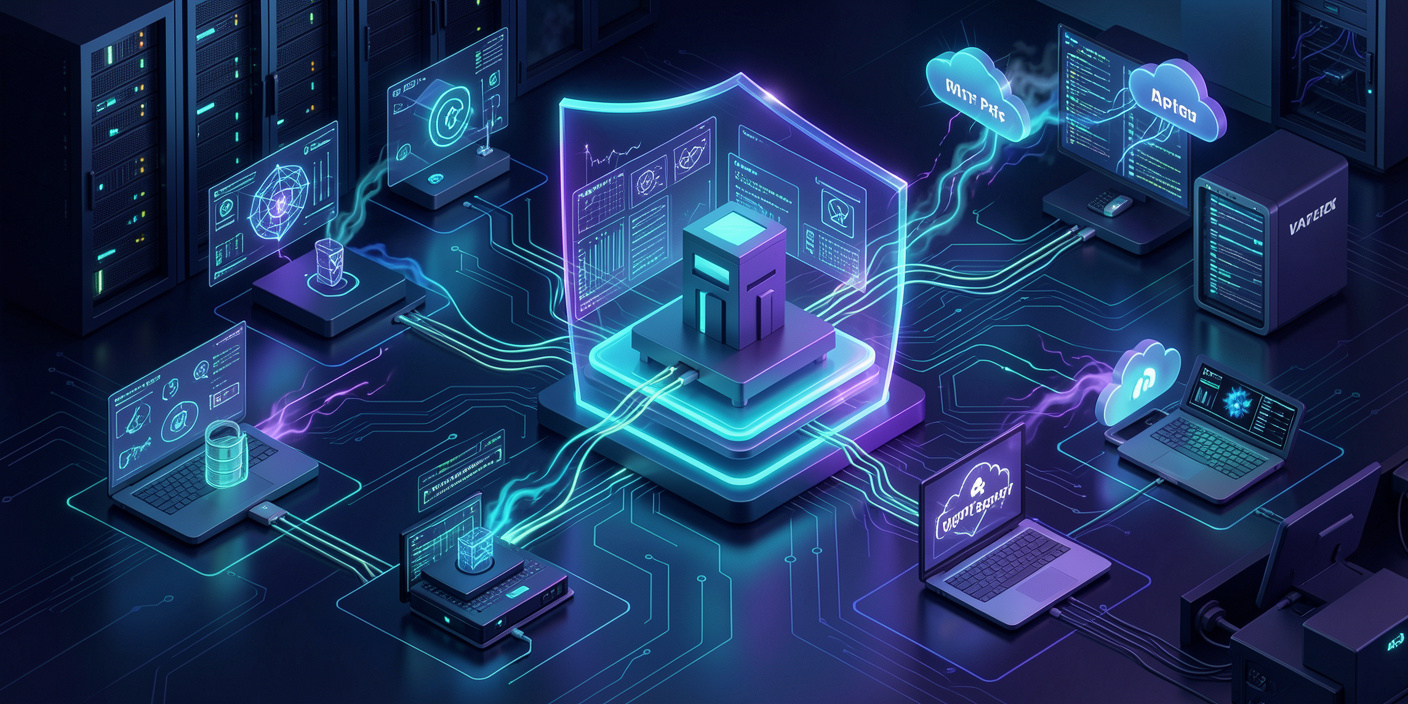
Modern businesses rarely operate alone. Companies depend on cloud providers, software vendors, payment platforms, marketing agencies, logistics partners, consultants, and other external organizations to keep operations moving. However, every connection can create a potential security weakness.
Third party cyber risks occur when an outside provider introduces vulnerabilities that attackers can exploit to access business systems, customer information, financial data, or intellectual property. Therefore, organizations need to look beyond their own networks and understand the security practices of every important partner.
As businesses become increasingly connected, Technology insights and IT industry news continue to highlight how supply chain vulnerabilities can affect organizations of every size. Consequently, third party security should become part of everyday business risk management rather than an occasional technical exercise.
Why Third Party Security Matters
A trusted vendor may have access to sensitive systems, databases, applications, or internal communication channels. If that vendor experiences a breach, attackers may potentially use the relationship as a pathway into another organization.
Moreover, cybercriminals increasingly target smaller suppliers because they may have weaker security controls than larger enterprises. As a result, even businesses with strong internal cybersecurity can face exposure through an external partner.
Protect Your Business From Third Party Cyber Risks by treating vendor relationships as part of your overall cybersecurity environment. Before signing a contract, companies should understand what information a provider can access, how that information is protected, and what happens if a security incident occurs.
Evaluate Vendors Before Sharing Data
Vendor assessment should begin before access is granted. Businesses should review a provider’s security policies, data protection practices, authentication controls, incident response procedures, and history of security incidents.
Furthermore, companies should determine whether vendors follow recognized security frameworks and maintain appropriate controls for the type of information they handle. A provider managing customer records requires a different level of scrutiny from a vendor providing a basic office service.
Regular reassessment is equally important. A vendor that was secure several years ago may introduce new technologies, subcontractors, applications, or infrastructure that change its risk profile. Therefore, security reviews should continue throughout the relationship.
Limit Access and Protect Sensitive Information
One of the most effective ways to reduce exposure is to provide vendors with only the access they actually need. Excessive permissions can increase the potential damage caused by compromised credentials.
Businesses should apply least privilege principles and use strong authentication wherever possible. Multi factor authentication, role based access, encryption, secure passwords, and regular permission reviews can significantly strengthen defenses.
In addition, sensitive information should be classified so employees know which data can be shared externally and which information requires stronger safeguards. These practices support both cybersecurity objectives and broader Finance industry updates because financial information is often a major target for attackers.
Monitor Third Party Activity
Security does not stop after a vendor passes an initial assessment. Continuous monitoring helps businesses identify unusual activity, unauthorized access, outdated software, and changes in vendor behavior.
For example, organizations can review login activity, access records, security alerts, and unusual data transfers. Meanwhile, automated monitoring tools can help security teams identify suspicious patterns more quickly.
This approach is especially valuable as Marketing trends analysis and Sales strategies and research increasingly depend on interconnected platforms. The more systems a company connects, the more important visibility becomes.
Strengthen Contracts and Security Requirements
Cybersecurity expectations should also be included in vendor agreements. Contracts can establish requirements for data protection, breach notification, access management, security testing, and compliance.
Additionally, businesses should understand whether vendors use subcontractors and whether those organizations can access company information. Clear contractual responsibilities can reduce confusion when an incident occurs.
A strong agreement cannot eliminate every threat. However, it creates accountability and gives businesses a clearer framework for managing security expectations.
Train Employees to Recognize Vendor Threats
Technology alone cannot eliminate third party cyber risks. Employees can unknowingly expose systems by responding to fraudulent vendor emails, downloading malicious attachments, sharing credentials, or approving suspicious requests.
Therefore, cybersecurity awareness should include third party scenarios. Employees should understand how attackers impersonate suppliers, executives, payment providers, and service partners.
At the same time, HR teams can incorporate cybersecurity awareness into broader HR trends and insights. Regular training, realistic simulations, and simple reporting procedures can help employees recognize suspicious activity before it becomes a serious incident.
Prepare for a Vendor Security Incident
Even with strong controls, organizations should prepare for the possibility that a trusted provider could experience a breach. An incident response plan should explain who will communicate with the vendor, who will investigate the issue, and how access will be restricted if necessary.
Furthermore, companies should maintain updated contact information for critical suppliers and understand their incident response procedures. Testing these processes in advance can reduce confusion during a real emergency.
Business leaders should also identify alternative providers for essential services. This can improve operational resilience while reducing dependence on a single external organization.
Actionable Insights for Stronger Cyber Resilience
Protect Your Business From Third Party Cyber Risks by making vendor security a continuous business process. Start with your most critical suppliers, review their access to sensitive systems, remove unnecessary permissions, strengthen authentication, and establish clear security requirements.
More importantly, connect cybersecurity decisions with wider business intelligence. Technology insights can reveal emerging threats, IT industry news can highlight new attack patterns, and Finance industry updates can help organizations understand the financial consequences of security failures. Similarly, HR trends and insights can strengthen employee awareness, while Marketing trends analysis and Sales strategies and research can help teams evaluate the security implications of increasingly connected customer platforms.
Businesses that regularly assess vendors, monitor access, train employees, and prepare for incidents are better positioned to respond when external threats emerge.
Connect with BusinessInfoPro for valuable business intelligence, technology insights, and strategies designed to support smarter decisions in a changing digital environment.