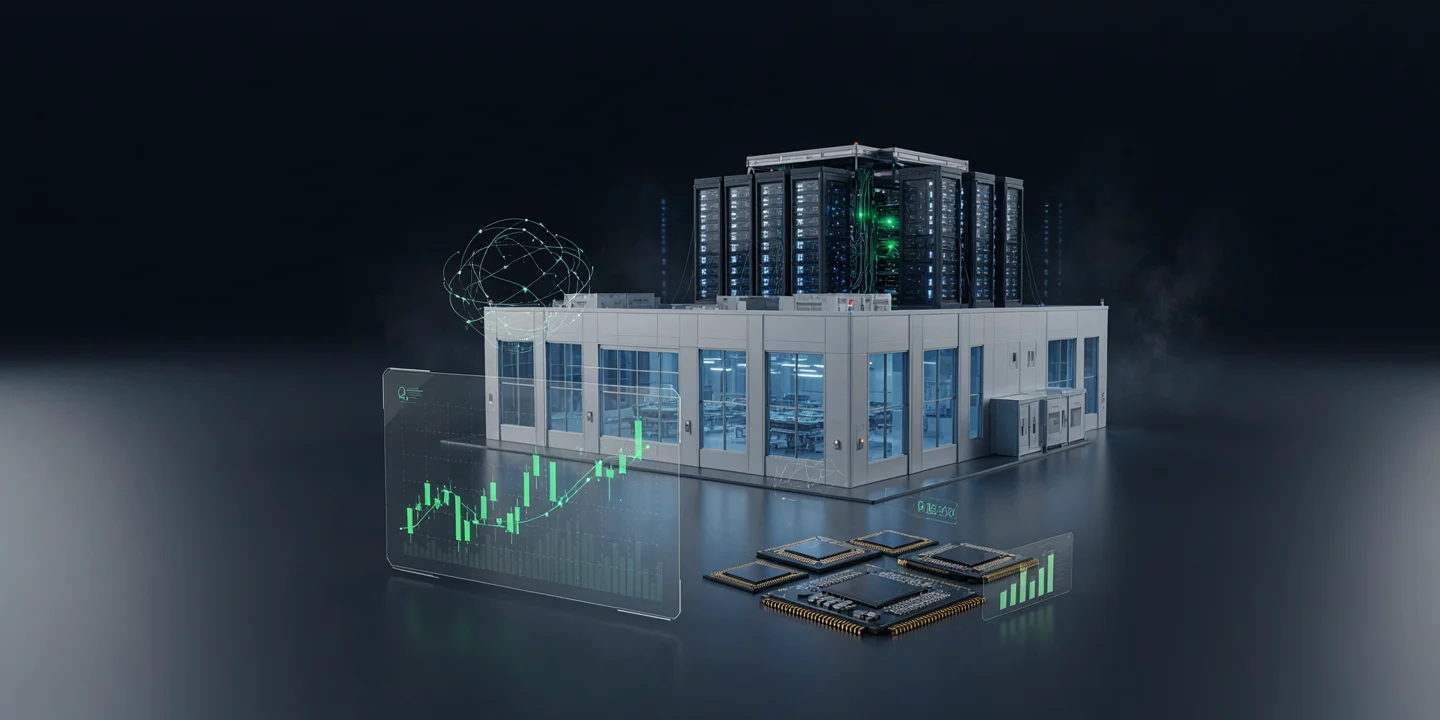







US Data Center Growth Is Creating a New Financing Opportunity
The rapid expansion of artificial intelligence, cloud computing and digital services is driving unprecedented demand for data center capacity across the United States. As businesses move more workloads online and AI applications require increasingly powerful computing systems, investors and infrastructure providers are looking for new ways to fund this expansion.
However, building modern data centers requires far more than purchasing servers. Developers must finance land, power infrastructure, cooling systems, network connectivity, security and increasingly sophisticated energy management technologies. Consequently, access to capital has become one of the most important factors shaping the next phase of the digital infrastructure market.
Why Data Center Infrastructure Needs More Capital
Modern facilities are becoming larger, more power intensive and more technically complex. AI workloads are particularly demanding because high performance computing systems require substantial electricity and advanced cooling capabilities.
At the same time, demand is growing faster than new capacity can come online in several major technology markets. Therefore, developers are exploring different financing models to accelerate construction while managing rising costs.
Traditional bank financing remains important, but private equity, infrastructure funds, real estate investors and institutional capital are increasingly interested in the sector. As a result, data centers are becoming an important part of the broader infrastructure investment landscape.
AI Is Changing the Economics of Data Centers
Artificial intelligence is one of the strongest forces behind current infrastructure demand. Training and operating advanced AI models require specialized computing hardware that consumes significantly more power than many traditional workloads.
Furthermore, businesses are adopting AI across customer service, financial analysis, marketing, manufacturing and software development. This wider adoption is increasing demand for reliable computing capacity.
For investors, this creates both opportunity and risk. Facilities with strong power availability, efficient cooling and reliable connectivity may become particularly valuable. Meanwhile, projects in areas facing electricity shortages or lengthy grid connection processes may encounter significant delays.
Power Availability Is Becoming a Financial Priority
Electricity has become a central consideration when financing new facilities. A data center can have excellent connectivity and an attractive location, but without sufficient power it cannot operate at the required scale.
Therefore, developers are increasingly evaluating access to electricity before committing significant capital. Renewable energy agreements, dedicated power arrangements and energy efficient technologies can also influence the long term economics of a project.
This trend connects the data center market with broader Finance industry updates because energy costs, interest rates and infrastructure financing conditions can directly affect project returns.
Investors Are Looking Beyond the Building
Data center investment is no longer simply about constructing a physical facility. Instead, investors are assessing the entire infrastructure ecosystem supporting digital services.
This includes power generation, transmission networks, fiber connectivity, cooling technology, cybersecurity and hardware supply chains. In addition, companies must consider how quickly technology requirements could change.
For that reason, technology insights are becoming increasingly important for financial decision makers. Understanding developments in AI hardware, cloud computing and network architecture can help investors identify opportunities while avoiding projects that could become outdated.
The Business Impact Across Industries
The growth of digital infrastructure extends beyond technology companies. Financial institutions rely on secure computing environments for transactions and analytics. Healthcare organizations increasingly depend on cloud platforms and AI systems. Retailers use data intensive applications to improve customer experiences and supply chains.
Similarly, HR departments are adopting AI powered platforms for recruitment, workforce planning and employee analytics. These developments connect the infrastructure story with HR trends and insights because greater computing capacity supports the expansion of digital workplace tools.
Sales and marketing teams are also becoming more dependent on data intensive platforms. Consequently, sales strategies and research as well as marketing trends analysis are increasingly influenced by the availability of scalable cloud infrastructure.
Financing Challenges Could Shape Future Growth
Despite strong demand, financing large facilities is not without challenges. Higher construction costs, elevated interest rates, power constraints and supply chain pressures can affect project timelines and expected returns.
Moreover, investors must consider regulatory requirements and environmental concerns. Communities are paying greater attention to electricity consumption, water usage and the overall environmental impact of large computing facilities.
As a result, successful projects will increasingly require a combination of financial planning, technological expertise and long term infrastructure strategy.
What Businesses Should Watch Next
Businesses evaluating the digital infrastructure market should pay close attention to power availability, regional demand and financing conditions. They should also monitor developments in AI computing because changes in hardware efficiency can influence the design and economics of future facilities.
Meanwhile, companies outside the technology sector should consider how expanding data center capacity could affect their own digital strategies. Greater computing availability can support AI adoption, automation, analytics and cloud based operations.
For readers following IT industry news, these developments provide an important view of how technology investment is influencing the wider business environment.
Practical Insights for Business Leaders
The most important lesson is that digital infrastructure should be viewed as a long term strategic asset rather than simply a technology expense. Companies planning major AI or cloud initiatives should evaluate their computing requirements, energy exposure and infrastructure partners well before demand reaches critical levels.
Investors should similarly look beyond headline growth figures and examine power availability, construction timelines, technology requirements and operating costs. These factors can determine whether an infrastructure project delivers sustainable returns.
Connect With BusinessInfoPro
Stay informed about emerging technology, investment and business developments with BusinessInfoPro and discover insights that can support smarter strategic decisions.
Reach out to BusinessInfoPro for valuable perspectives across technology insights, Finance industry updates, IT industry news and the evolving digital economy.
Source : jpmorgan.com