




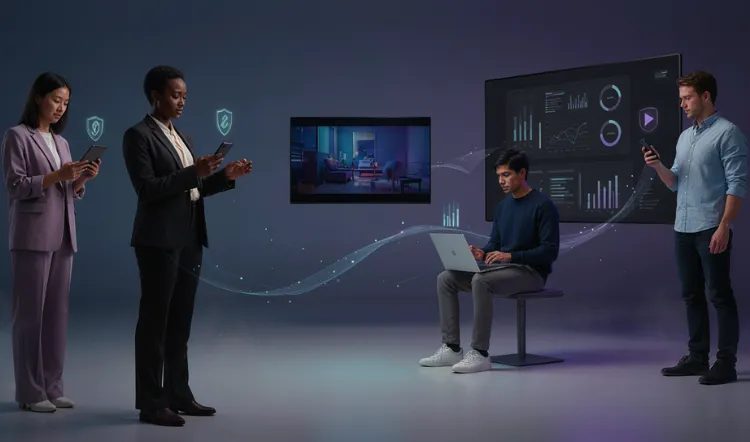
Digital advertising is entering a new phase in 2026 as brands focus on creating more relevant, measurable, and engaging experiences for consumers. With changing customer expectations, privacy regulations, new technologies, and the continued growth of social and mobile platforms, advertisers are moving beyond traditional online campaigns.
The future of digital advertising will be shaped by smarter targeting, first party data, interactive content, automation, and stronger connections between brands and their audiences. Businesses that understand these changes can build advertising strategies that are both effective and customer focused.
The Shift Toward Personalized Advertising
Personalization has become an important part of modern advertising. Consumers are more likely to engage with advertisements that reflect their interests, needs, and online behavior.
In 2026, advertisers are focusing on using customer data responsibly to create personalized campaigns across websites, social media, email, search engines, and connected devices. Instead of delivering the same message to everyone, brands can create different experiences for specific audience segments.
This approach can improve engagement while helping businesses make better use of their advertising budgets.
First Party Data Becomes More Important
Privacy concerns and changes in third party tracking are encouraging companies to develop stronger first party data strategies. Businesses are increasingly collecting information directly through websites, applications, customer accounts, newsletters, purchases, and loyalty programs.
First party data allows advertisers to understand their customers while maintaining greater control over how information is collected and used. In 2026, successful advertising strategies will increasingly combine customer insights with transparent data practices.
Social Media Advertising Continues to Evolve
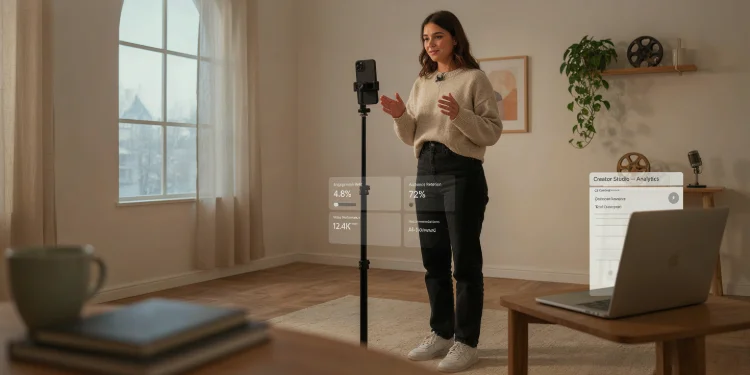
Social media remains one of the most important channels for digital advertising. However, advertising on social platforms is becoming more focused on short form video, creator partnerships, interactive formats, and community engagement.
Consumers are no longer simply watching advertisements. They are commenting, sharing, reviewing, and interacting with brands. This makes authentic communication increasingly important.
Brands that create useful and entertaining content can build stronger relationships with audiences than campaigns focused only on direct promotion.
Video Advertising Takes Center Stage
Video continues to be a powerful format for capturing attention. Short videos, vertical content, connected TV advertising, livestreams, and interactive video experiences are giving advertisers more opportunities to communicate with consumers.
In 2026, businesses are expected to use video across multiple stages of the customer journey. A short social video might introduce a brand, while longer content can educate potential customers before they make a purchase.
Connected TV Opens New Opportunities
Connected TV is changing how brands approach television advertising. Streaming services and internet connected televisions allow advertisers to reach more specific audiences than traditional television campaigns.
The combination of television style storytelling and digital measurement makes connected TV attractive to businesses looking for both brand awareness and measurable results.
Search Advertising Becomes More Competitive
Search remains an important part of digital advertising, but consumer search behavior is changing. People increasingly discover information through different platforms, social networks, video services, marketplaces, and conversational search experiences.
Advertisers therefore need to think beyond traditional keyword campaigns. High quality content, strong landing pages, useful information, and a consistent digital presence can all contribute to better visibility and campaign performance.
Privacy and Consumer Trust Matter More
The future of digital advertising will not depend only on technology. Consumer trust will be equally important.
People want to understand how their information is collected and used. Businesses that provide clear privacy policies, responsible data practices, and transparent communication can create stronger relationships with their audiences.
Advertising strategies that respect consumer privacy can also help brands build long term credibility.
Measuring Advertising Performance
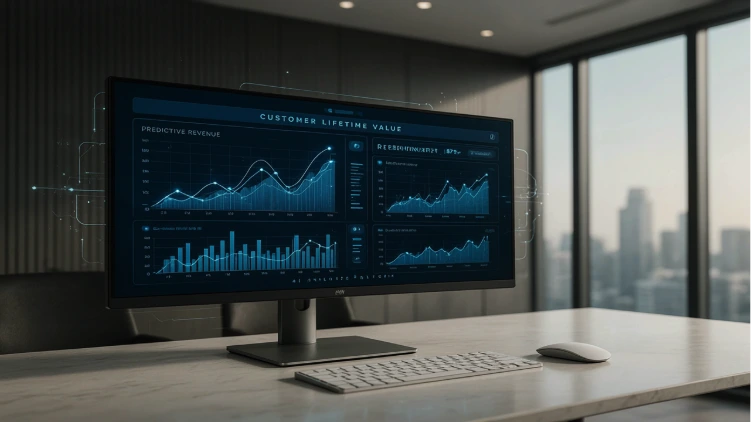
Measurement is becoming more sophisticated as advertisers look beyond clicks and impressions. Businesses are increasingly interested in conversions, customer lifetime value, engagement, brand impact, and return on advertising investment.
A successful campaign in 2026 should therefore have clearly defined objectives and measurable outcomes. Connecting advertising data with broader business performance can help marketers identify which channels and messages are generating real value.
What Businesses Should Expect in 2026
Digital advertising in 2026 will be more connected, personalized, interactive, and privacy conscious. Businesses will need to adapt their strategies as consumers move between websites, social platforms, streaming services, mobile applications, and other digital environments.
The strongest advertising strategies will combine creativity with accurate customer insights. Brands that understand their audiences, respect privacy, experiment with new formats, and measure meaningful results will be better positioned to compete.
Conclusion
The future of digital advertising in 2026 is about more than reaching as many people as possible. It is about reaching the right audiences with relevant messages while creating experiences that consumers value.
Personalization, first party data, social media, video, connected TV, privacy, and advanced measurement will continue to influence the advertising landscape. As technology and consumer behavior evolve, businesses that remain flexible and customer focused can turn these changes into new opportunities for growth.
Connect with BusinessInfoPro to discover expert perspectives that help businesses make smarter technology decisions with confidence.