



WordPress remains one of the most widely used platforms for websites, online stores, publishing, and business communication. However, its popularity also makes it an attractive target for cybercriminals searching for weaknesses they can exploit.
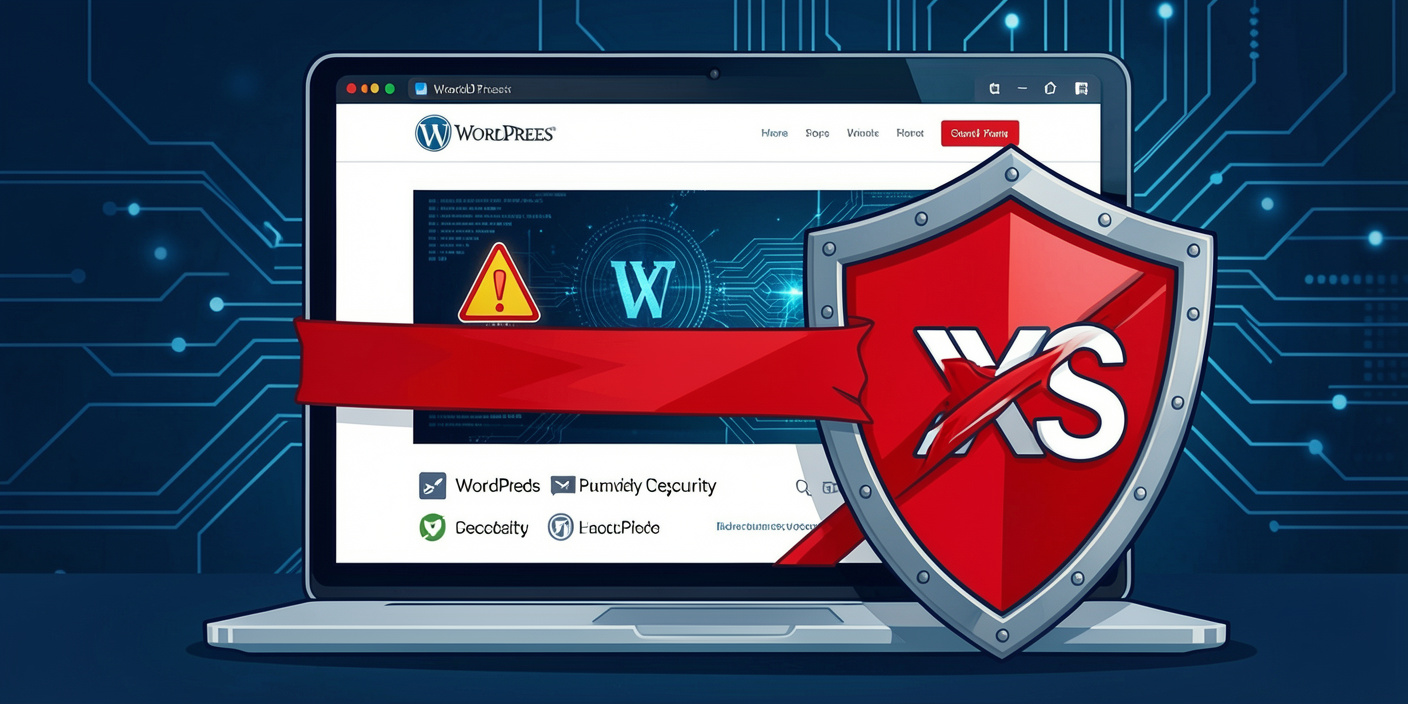
A newly discovered WordPress XSS flaw highlights why businesses need to treat website security as an ongoing responsibility. Cross site scripting vulnerabilities can allow malicious content to interact with trusted web pages and, depending on the affected component and user privileges, potentially become part of a more serious attack chain.
For organizations that depend on their websites to generate leads, support customers, process transactions, or publish important information, even a seemingly small vulnerability can create significant operational and financial consequences.
Understanding Cross Site Scripting
Cross site scripting, commonly called XSS, occurs when a website processes and displays untrusted input without applying appropriate security controls. Attackers can potentially use this weakness to execute unwanted scripts within a visitor’s browser.
However, the severity of an XSS vulnerability depends on its location, technical conditions, and the privileges available to the affected user. A vulnerability involving a highly privileged administrator can present greater risk than an issue affecting a standard visitor.
Moreover, attackers rarely need to rely on a single weakness. They may attempt to combine vulnerabilities with stolen credentials, insecure plugins, outdated software, or excessive permissions. Consequently, organizations should evaluate vulnerabilities in the context of their entire technology environment.
Why Businesses Should Patch Quickly
When a security update becomes available, delaying installation can leave a vulnerable website exposed for longer than necessary. Cybercriminals routinely monitor public vulnerability information and search for systems that have not received available fixes.
Therefore, businesses should establish a consistent patch management process for WordPress core software, plugins, themes, and supporting infrastructure. Keeping software current can reduce exposure to known vulnerabilities and strengthen the overall security posture.
Additionally, organizations should test important updates before applying them to production environments when business continuity requirements make testing necessary. This approach can help prevent compatibility problems while still maintaining a strong security focus.
The Business Impact of Website Vulnerabilities
A compromised website can create consequences far beyond technical disruption. Customers may lose confidence in a company if they encounter suspicious redirects, unauthorized content, malicious downloads, or unexpected account activity.
Furthermore, businesses can experience lost sales, interrupted marketing campaigns, recovery expenses, and reputational damage. Finance industry updates increasingly emphasize the importance of digital resilience because technology incidents can directly affect operational performance.
For companies that depend heavily on online channels, website security should therefore be viewed as a business priority rather than simply an IT responsibility.
Protecting Administrative Access
Administrative accounts are particularly important because they can provide access to sensitive website functions. Strong passwords, multi factor authentication, and carefully managed user permissions can reduce the likelihood of unauthorized access.
Meanwhile, organizations should regularly review accounts and remove unnecessary privileges. Employee responsibilities can change over time, which makes access management an important connection between cybersecurity and HR trends and insights.
Similarly, businesses should avoid giving every employee administrative access simply for convenience. Limiting privileges can reduce the potential impact of compromised credentials.
Review Plugins and Themes Carefully
The WordPress ecosystem provides businesses with thousands of extensions that can add ecommerce functions, analytics, forms, marketing capabilities, and other features. Nevertheless, every additional component can introduce another potential security consideration.
Businesses should review the security history and maintenance status of plugins and themes before installing them. In addition, unused components should be removed rather than simply left inactive.
Moreover, administrators should monitor security advisories affecting installed software. Technology insights and IT industry news can help organizations stay aware of emerging vulnerabilities and security developments.
Monitor Websites for Suspicious Activity
Patching reduces known risks, but it does not eliminate every threat. Consequently, organizations should combine software updates with continuous monitoring.
Unexpected administrator accounts, unusual login activity, modified files, suspicious redirects, or unexplained changes to website content can indicate potential compromise. Early detection gives businesses a better opportunity to investigate and contain an incident before it becomes more disruptive.
Security monitoring should also extend to hosting accounts, databases, connected applications, and third party services. As businesses become more interconnected, attackers have more potential pathways into digital infrastructure.
Strengthening Digital Business Resilience
Website security has become increasingly important as companies expand their digital operations. Marketing teams use websites for campaigns, sales teams rely on digital lead generation, and customers expect reliable online experiences.
As a result, Sales strategies and research and Marketing trends analysis are increasingly connected with technology decisions. A security incident can interrupt customer acquisition, damage campaign performance, and reduce trust at exactly the time businesses are trying to strengthen their online presence.
Building resilience requires collaboration between technology, finance, marketing, sales, and human resources teams. This broader approach helps ensure that security decisions support business objectives rather than operating separately from them.
Practical Security Insights for Business Leaders
The discovery of a WordPress XSS vulnerability is a useful reminder that security requires continuous attention. Businesses should prioritize available security updates, review their installed components, strengthen administrator accounts, monitor website activity, and maintain reliable backups.
Furthermore, organizations should create a clear process for responding to newly disclosed vulnerabilities. Knowing which websites are affected, who owns each system, and how quickly updates can be deployed can significantly improve response times.
Companies should also evaluate whether critical websites have adequate recovery procedures. A tested backup and recovery strategy can reduce downtime if an attack succeeds despite preventive controls.
Future Outlook for WordPress Security
The WordPress ecosystem will continue to evolve alongside artificial intelligence, automation, ecommerce, cloud infrastructure, and other digital technologies. Consequently, security practices will need to evolve as well.
Businesses cannot rely on occasional security reviews alone. Instead, they need continuous patch management, access governance, monitoring, employee awareness, and reliable recovery processes.
The most important lesson is simple. When a serious vulnerability affects widely used business technology, timely action can make the difference between a manageable security update and a costly incident.
Actionable Knowledge for Safer Digital Operations
Organizations should treat newly disclosed WordPress vulnerabilities as opportunities to review their wider digital security posture. A timely patch should be accompanied by account reviews, plugin assessments, monitoring, backup verification, and employee awareness.
By combining Technology insights with IT industry news and practical risk management, businesses can make faster and more informed security decisions. At the same time, Finance industry updates, Sales strategies and research, Marketing trends analysis, and HR trends and insights can help leaders understand how cybersecurity affects the wider organization.
Reach out to BusinessInfoPro for practical insights that connect technology, business strategy, and emerging digital risks.