




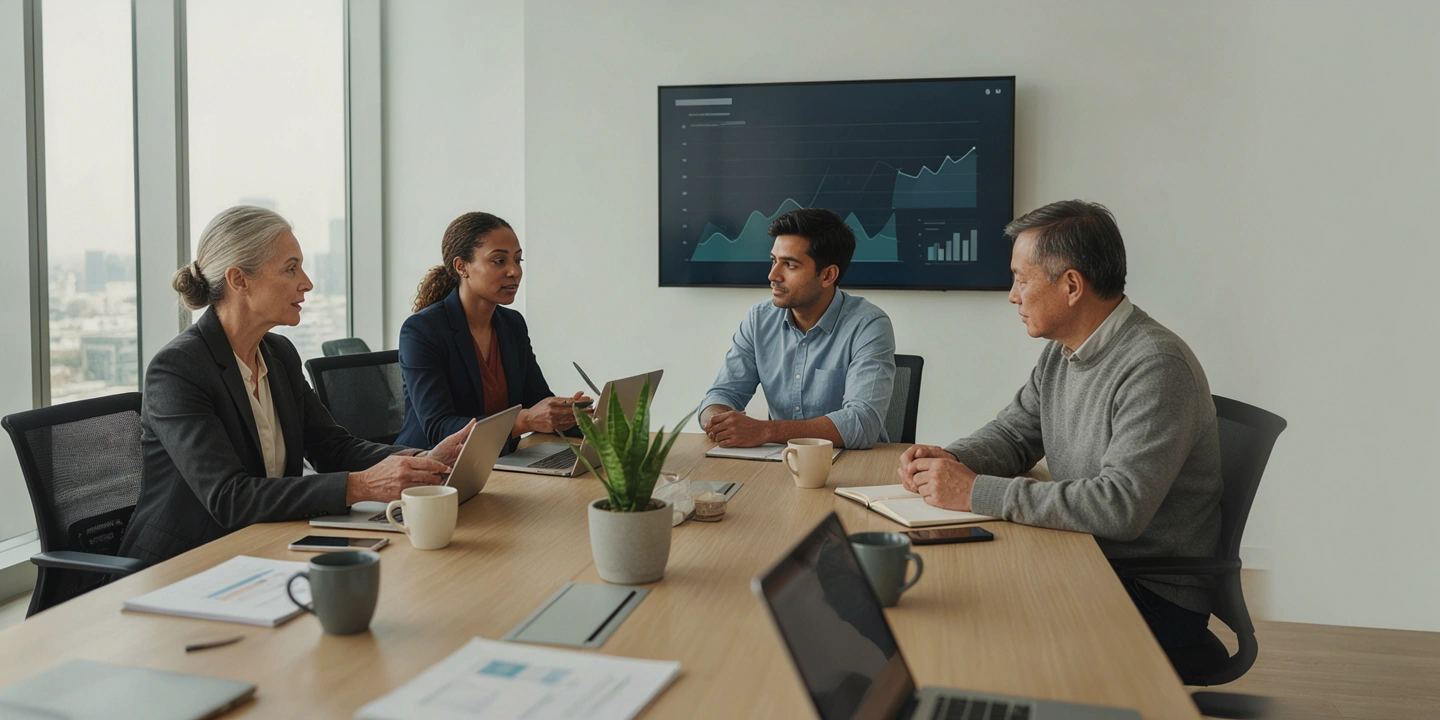
Companies are rethinking talent management as employees from different generations work together across departments, industries and leadership levels. From experienced professionals to younger employees entering the workforce, each group brings different perspectives, skills and expectations.
Consequently, human resources teams are placing greater emphasis on inclusive workplace policies, knowledge sharing and professional development. Employers want to retain experienced workers while attracting younger talent that can support digital transformation and changing business needs.
This approach is particularly relevant as organisations adopt artificial intelligence, automation and new collaboration tools. Companies must ensure that employees of all ages can access training and contribute effectively to changing business priorities.
Research Highlights the Value of Age Diverse Teams
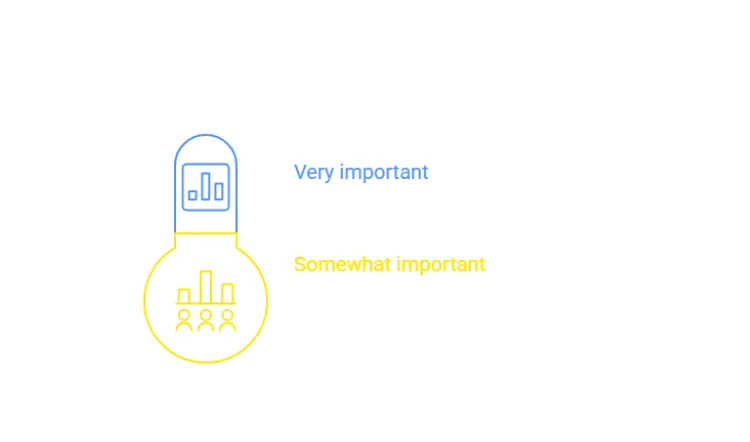
Research published by AARP in March 2026 highlights the growing business case for managing employees across generations. Its survey of 1,019 US employers, conducted between November 24 and December 9, 2025, found that 66% considered having employees from multiple generations very important, while another 33% considered it somewhat important.
The findings also showed that 93% of surveyed employers believed mixed age teams improved productivity. Additionally, 88% associated these teams with greater empathy across generations, while 87% identified stronger informal mentoring.
These findings suggest that age diversity can contribute to collaboration, knowledge transfer and workplace performance. However, companies need effective management practices to turn these potential benefits into measurable results.
Mentoring Helps Employees Share Skills and Experience
Mentoring is becoming an important strategy for organisations seeking to improve collaboration between employees at different career stages.
Experienced professionals can share industry knowledge, leadership skills and practical problem solving techniques. Meanwhile, younger employees may help colleagues explore new digital tools, emerging technologies and changing customer expectations.
Companies can support this exchange through reverse mentoring, cross functional projects and structured knowledge sharing sessions. Furthermore, managers can pair employees based on their skills and development goals instead of relying exclusively on age or seniority.
AARP Research published in October 2025 found that 90% of surveyed working or job seeking adults expressed positive attitudes toward age diverse teams. The study also found that 87% said working with younger colleagues offered opportunities to share experience and knowledge.
Technology Training Becomes a Shared Priority
The growing use of artificial intelligence is creating new demands for workforce training. Employees may have different levels of familiarity with digital platforms, but employers cannot assume that technology skills depend on age.
AARP’s March 2026 employer research found that 88% of surveyed organisations already used AI, while another 10% planned to adopt it. Furthermore, 97% reported taking steps to make AI training accessible and inclusive for employees of different ages and backgrounds.
Companies are responding through practical workshops, peer learning, accessible training materials and role specific development programmes. These measures can help employees build confidence while supporting responsible technology adoption.
For businesses following Technology insights and HR trends and insights, the challenge is to ensure that training reaches employees across departments and experience levels.
Flexible Policies Support Retention and Engagement
Employees at different life stages may have different priorities regarding working hours, career progression, caregiving responsibilities and retirement planning. Nevertheless, employers should avoid assuming that everyone from a particular generation shares the same preferences.
Instead, companies can offer flexible working arrangements where operationally practical, transparent promotion criteria and personalised development plans. Regular feedback sessions can help managers understand individual expectations and identify workplace barriers.
Research from AARP and LinkedIn, published in December 2025, also highlighted the retention value of experienced workers. LinkedIn platform data showed that 85.4% of workers aged 50 and older hired in June 2024 remained with their employer one year later, compared with 70.6% of younger hires.
Although these figures describe a specific group of hires rather than every workforce, they highlight why businesses should assess retention patterns when developing talent strategies.
What Businesses Should Know
Companies managing multigenerational workforces should focus on fair recruitment, continuous learning and collaboration. Hiring teams can reduce age related bias by evaluating candidates on relevant skills, experience and performance rather than assumptions about their generation.
Meanwhile, managers should measure training participation, employee engagement, promotion outcomes and retention across age groups. These indicators can help organisations identify gaps and improve workforce planning.
The implications extend across technology, finance, sales and marketing teams, where experienced employees and newer talent can contribute different forms of expertise. However, successful collaboration depends on clear communication, shared objectives and equal opportunities.
As artificial intelligence and workplace expectations continue to evolve, organisations that invest in inclusive development and knowledge sharing will be better positioned to adapt. The priority is not to manage generations as separate groups, but to create an environment where employees can learn from one another and contribute to business goals.
For more updates on HR trends, workplace strategy and business developments, visit BusinessInfoPro.com.
Explore our latest industry coverage to stay informed about the trends shaping modern businesses and the future of work.