




Understanding the Role of ERP Integration in Modern Enterprises
Businesses today operate in an environment where speed, accuracy, and connectivity determine success. Organizations rely on multiple software platforms to manage finance, human resources, sales, marketing, customer service, and operations. Without proper connectivity between these systems, information becomes fragmented and decision making becomes difficult.
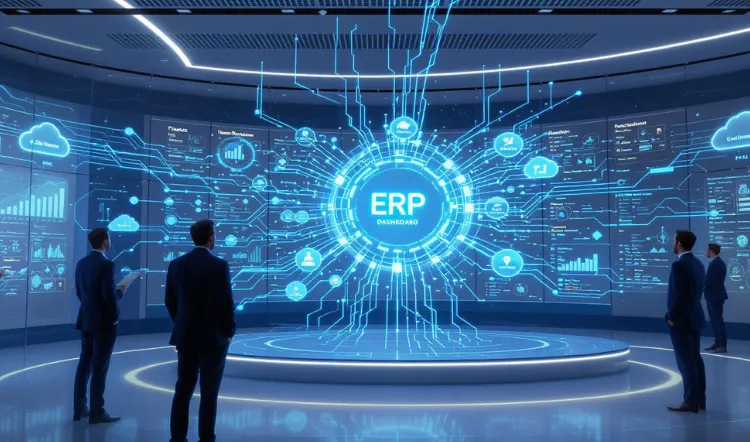
ERP integration serves as the foundation that connects critical business applications and enables seamless data flow across departments. As companies continue investing in digital initiatives, ERP integration has become a key factor in achieving operational excellence and long term growth. It creates a unified ecosystem where information moves efficiently, helping businesses respond faster to changing market demands.
Why ERP Integration Matters in Digital Transformation
Digital transformation is more than adopting new technology. It involves rethinking processes, improving collaboration, and creating a connected business environment. ERP integration plays a central role in this journey because it eliminates data silos and allows different systems to communicate effectively.
When departments work from the same source of information, organizations gain better visibility into operations. Finance teams can access real time data, HR departments can improve workforce management, and sales teams can track customer interactions more effectively. As a result, businesses become more agile and capable of making informed decisions.
Furthermore, ERP integration supports innovation by providing a reliable framework for implementing emerging technologies. Whether organizations are exploring automation, artificial intelligence, or advanced analytics, integrated systems provide the data consistency required for success.
Enhancing Operational Efficiency Through Connected Systems
One of the biggest advantages of ERP integration is improved efficiency. Many businesses still struggle with manual data entry, duplicate records, and disconnected workflows. These challenges increase operational costs and reduce productivity.
By connecting business applications, organizations can automate routine processes and reduce human errors. Employees spend less time transferring information between systems and more time focusing on strategic initiatives. Consequently, teams experience smoother workflows and higher productivity levels.
In addition, integrated systems provide faster access to critical information. Decision makers no longer need to gather data from multiple sources, which significantly reduces delays and improves responsiveness across the organization.
Supporting Better Decision Making With Real Time Data
Accurate data is essential for business success. ERP integration ensures that information remains consistent across departments and applications. This consistency allows leaders to access reliable insights whenever they need them.
Real time reporting helps organizations identify opportunities, address challenges, and monitor performance effectively. Finance industry updates can be analyzed alongside operational metrics, while sales strategies and research can be evaluated using current customer and revenue data.
Likewise, marketing trends analysis becomes more effective when marketing platforms are integrated with enterprise systems. This connectivity provides a comprehensive view of customer behavior and campaign performance, enabling smarter business decisions.
ERP Integration and Workforce Management
Human resources departments benefit significantly from integrated enterprise systems. Modern organizations depend on accurate employee information, efficient onboarding processes, and effective workforce planning.
ERP integration enables HR teams to manage employee data more efficiently while improving communication between departments. It also supports compliance requirements and enhances reporting capabilities.
As HR trends and insights continue to evolve, organizations need systems that can adapt quickly. Integrated ERP environments provide the flexibility required to manage workforce changes while maintaining operational consistency across the business.
Strengthening Financial Performance
Financial management becomes more effective when data flows seamlessly across enterprise applications. ERP integration provides finance teams with greater visibility into expenses, revenue, budgeting, and forecasting activities.
With connected systems, organizations can generate accurate reports faster and identify financial trends more easily. This improved visibility supports strategic planning and helps businesses maintain stronger financial control.
Moreover, integrated financial processes reduce errors and improve compliance, which contributes to greater confidence in organizational reporting and decision making.
Driving Innovation Across Industries
Organizations across different sectors are embracing digital transformation to remain competitive. ERP integration provides the infrastructure needed to support innovation while maintaining operational stability.
Technology insights reveal that businesses with integrated systems are often better positioned to adopt emerging technologies and respond to market changes. They can leverage advanced analytics, automation tools, and cloud based solutions more effectively because their data is already connected and accessible.
At the same time, staying informed about IT industry news helps organizations identify new opportunities for improving their technology strategies. Integrated enterprise environments make it easier to implement these innovations without disrupting existing operations.
Overcoming Common Integration Challenges
Although the benefits are substantial, successful ERP integration requires careful planning. Organizations must evaluate existing systems, define clear objectives, and ensure alignment between business and technology goals.
Data quality is another important consideration. Inaccurate or inconsistent information can affect integration outcomes and reduce overall effectiveness. Therefore, businesses should prioritize data governance and ongoing system maintenance.
Additionally, employee training plays a critical role in ensuring successful adoption. When users understand how integrated systems support their daily responsibilities, organizations achieve better results and maximize technology investments.
Valuable Insights for Business Leaders
As digital transformation continues accelerating, organizations should view ERP integration as a strategic business initiative rather than a technical project. Businesses that focus on creating connected ecosystems often experience stronger collaboration, improved efficiency, and better decision making capabilities.
Evaluating current processes, identifying disconnected systems, and establishing a long term integration roadmap can help organizations unlock greater value from their technology investments. Continuous monitoring and adaptation will ensure that integrated systems continue supporting business growth as market demands evolve.
BusinessInfoPro helps organizations stay informed with expert technology insights, practical business strategies, and the latest industry developments that drive sustainable growth.
Connect with BusinessInfoPro today to explore innovative solutions and discover how modern technology can transform your business operations for the future.