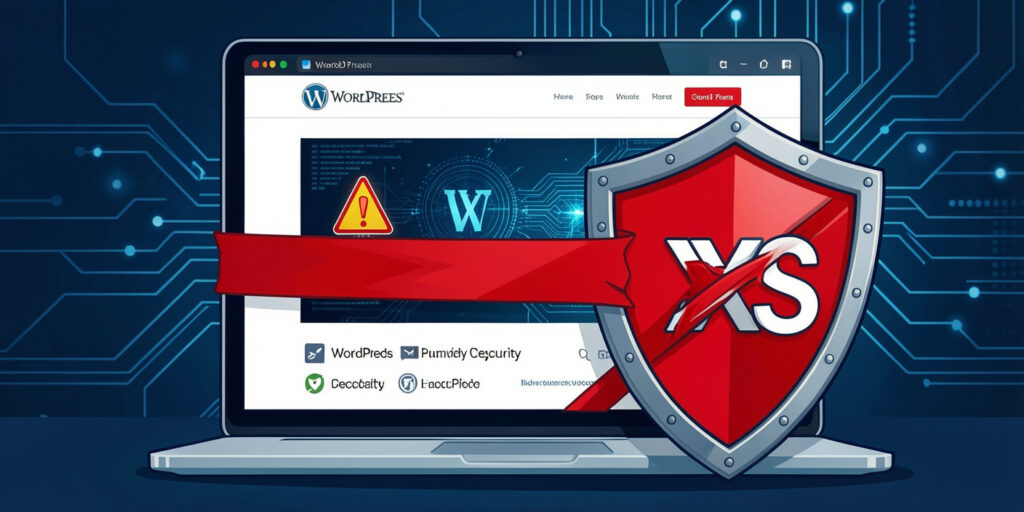



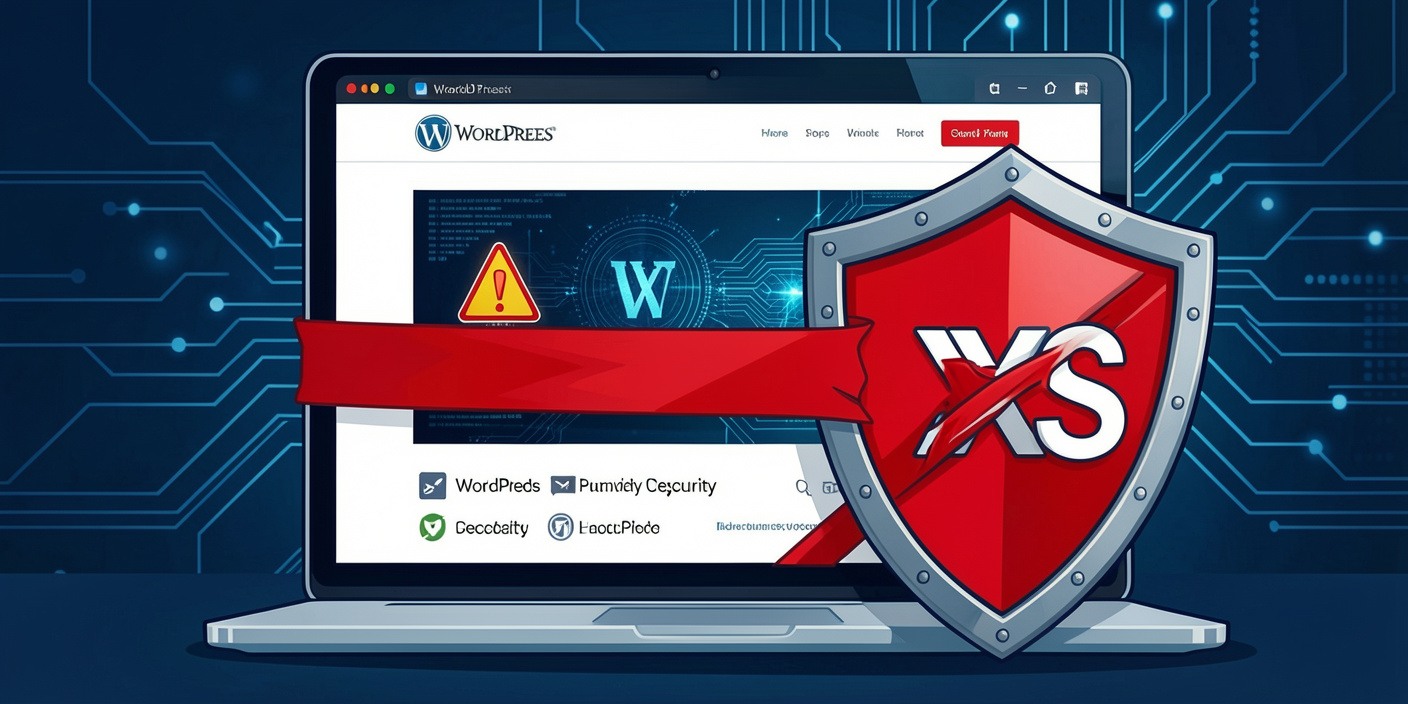
WordPress website owners are being urged to update their installations following the discovery and correction of multiple security vulnerabilities, including stored cross site scripting issues. The latest security release, WordPress 7.1.4, addresses several weaknesses in WordPress Core that could expose websites to malicious activity and unauthorised access.
The security update, released on October 28, 2026, includes fixes for multiple vulnerabilities affecting different areas of the platform. These include stored cross site scripting issues involving playlist and image blocks, as well as comment pagination blocks.
The development highlights the importance of keeping content management systems updated. Moreover, businesses that depend on WordPress for publishing, customer engagement and online operations should review their security settings without delay.
What Is the WordPress XSS Vulnerability
Cross site scripting, commonly known as XSS, is a security weakness that allows attackers to inject malicious scripts into web pages. When another user opens an affected page, the browser may execute the injected code within the website’s security context.
Depending on the vulnerability and the privileges of the affected user, an attack could expose sensitive information, compromise user sessions or enable unauthorised actions.
Stored XSS is particularly concerning because malicious content can remain saved on a website and affect users who visit the compromised page later.
Consequently, website administrators should treat security updates as an essential part of regular website maintenance rather than an occasional technical task.
WordPress 7.1.4 Addresses Multiple Security Issues
According to the official WordPress release, version 7.1.4 includes security corrections for several areas of the platform.
The reported fixes include stored XSS vulnerabilities affecting playlist and image blocks, along with the core comments pagination next and previous blocks.
The release also addresses an issue involving access to private notes by privileged users who do not have permission to edit the associated post.
Furthermore, WordPress has included updates to bundled root certificates following an eMudhra certificate revocation.
The WordPress security team acknowledged the researchers and contributors who responsibly reported the issues and helped develop the fixes.
Earlier XSS2Shell Vulnerability Highlights Additional Risks
The latest security developments follow another significant WordPress security issue reported in August 2026.
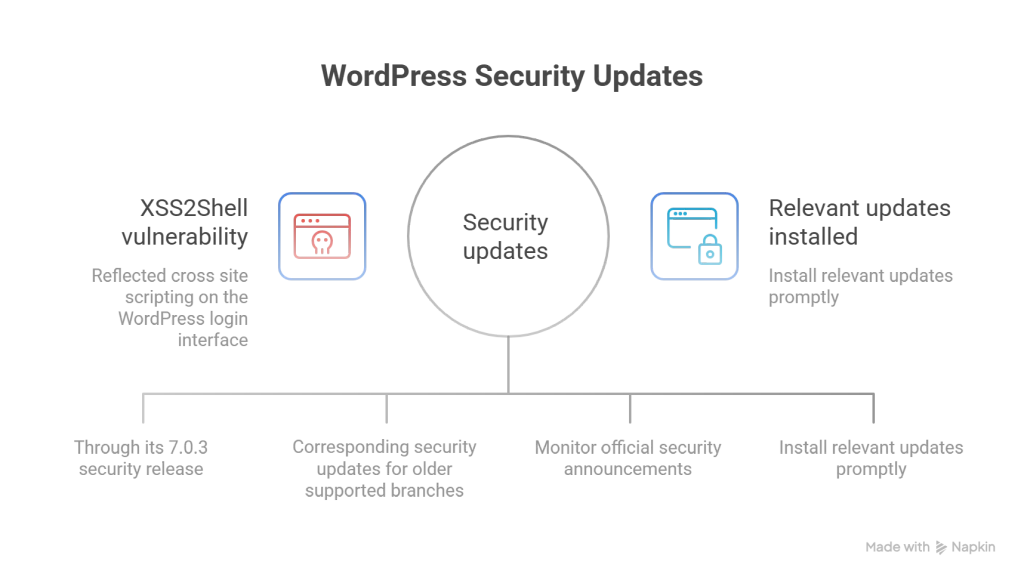
The vulnerability, tracked as CVE-2026-64638 and known as XSS2Shell, involved reflected cross site scripting on the WordPress login interface. The issue affected multiple WordPress versions and could allow attackers to execute malicious JavaScript in a visitor’s browser.
Researchers also demonstrated that the vulnerability could potentially lead to PHP code execution under specific conditions.
WordPress addressed this issue through its 7.0.3 security release and corresponding security updates for older supported branches.
These developments demonstrate why administrators should monitor official security announcements and install relevant updates promptly.
Impact on Businesses and Website Administrators
WordPress powers websites across several industries, including publishing, ecommerce, professional services and digital marketing. Security weaknesses can therefore create operational and reputational risks for businesses.
For organisations managing multiple websites, an unpatched vulnerability can increase exposure across several digital properties.
Additionally, compromised websites may experience data exposure, unauthorised content changes, disrupted operations and loss of visitor confidence.
IT teams and web development agencies should therefore include security checks in their regular maintenance processes. This is particularly important for businesses operating websites with multiple contributors, customer accounts and third party integrations.
What Businesses Should Know
Website owners and administrators should take the following precautions.
- Update WordPress to version 7.1.4 or the latest applicable security release.
- Check the WordPress Dashboard for pending updates.
- Review installed themes and plugins for available security patches.
- Remove inactive or unnecessary plugins and themes.
- Use strong passwords and enable two factor authentication.
- Maintain regular website backups.
- Monitor administrator accounts and unusual website activity.
Websites running older WordPress branches should install the latest available security updates for their respective versions. Administrators should also verify that automatic updates have completed successfully.
As WordPress continues to evolve, regular security monitoring, timely patching and responsible website management will remain essential for protecting business websites.
For more updates on cybersecurity, website development and technology insights, visit BusinessInfoPro.com.
Stay informed with the latest IT industry news, digital security developments and practical business technology updates.