





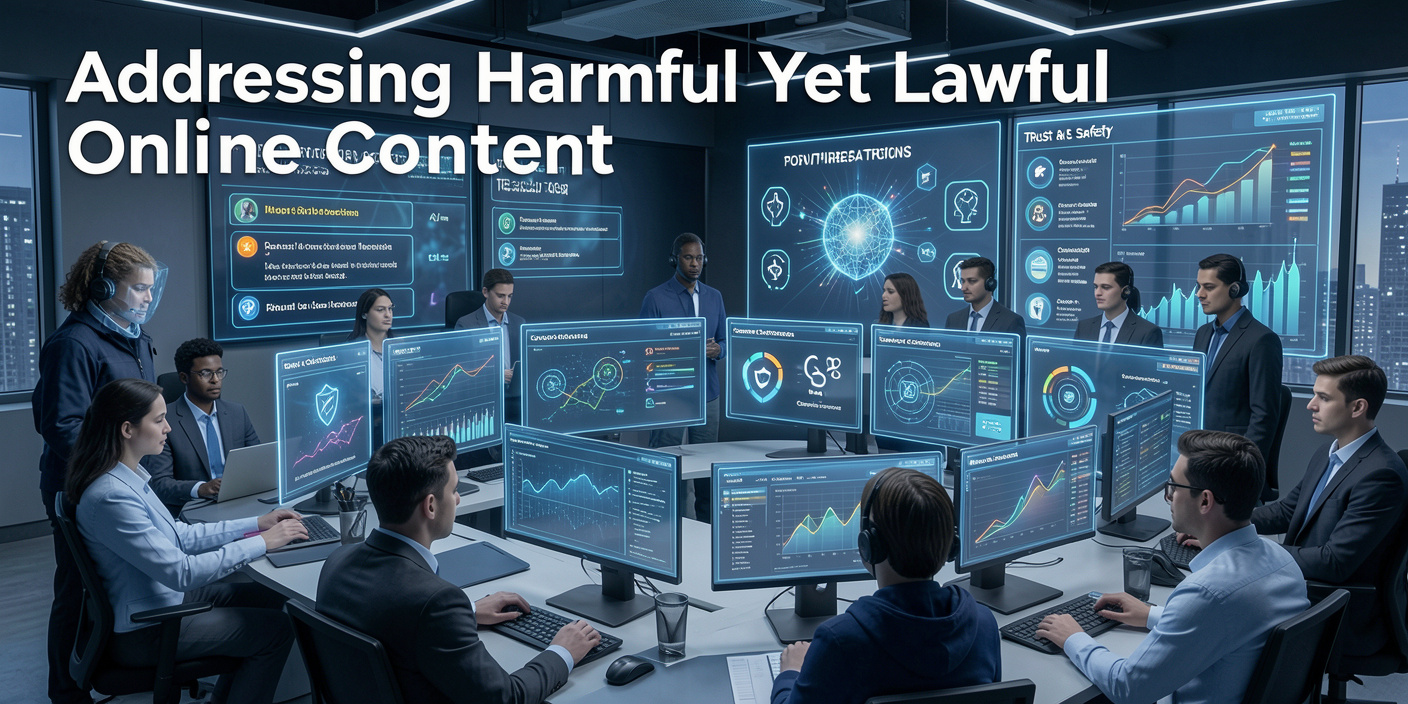
Addressing Lawful but Awful Online Content has become an important topic as digital platforms continue to shape how people communicate, learn, and do business. Every day, vast amounts of content are shared online, and not all of it violates the law. However, some material may still cause emotional harm, spread misinformation, encourage unhealthy behavior, or damage public trust. This creates a difficult situation for businesses, technology providers, and policymakers seeking to balance free expression with responsible digital practices.
Moreover, organizations are expected to create safer online experiences while maintaining transparency and respecting legal standards. This growing expectation has placed digital responsibility at the center of modern business strategy.
Why Businesses Must Pay Attention
Companies can no longer view online content moderation as only a technical responsibility. Instead, it has become part of corporate governance, brand reputation, and customer trust. Consequently, businesses that invest in thoughtful content management are better prepared to respond to emerging digital risks.
Technology insights continue to demonstrate that responsible online environments strengthen customer confidence and encourage long term engagement. Furthermore, businesses that actively review their digital policies often build stronger relationships with customers, partners, and employees.
The Balance Between Legal Standards and Ethical Responsibility
One of the greatest challenges involves distinguishing between content that is illegal and content that is simply harmful. While legal systems define what must be removed, ethical business practices often require additional consideration. Therefore, organizations increasingly establish internal guidelines that exceed minimum legal requirements.
In addition, responsible moderation encourages respectful conversations without unnecessarily restricting legitimate opinions. This balanced approach helps businesses reduce reputational risks while supporting healthy online communities.
The Role of Technology in Content Management
Artificial intelligence, machine learning, and advanced analytics are transforming how organizations identify potentially harmful material. These technologies can detect unusual patterns, identify misleading information, and assist human reviewers in making informed decisions.
Meanwhile, automation alone cannot solve every challenge. Human judgment remains essential because cultural differences, context, and intent often influence whether content should remain visible. As a result, combining intelligent technology with experienced moderation teams creates more reliable outcomes.
Marketing trends analysis also shows that customers increasingly prefer brands demonstrating transparency and accountability across digital channels. Consequently, responsible content practices have become an important competitive advantage.
Business Impact Across Multiple Industries
The effects of harmful yet lawful content extend well beyond social media platforms. Financial institutions monitor digital conversations to protect customer confidence while following Finance industry updates that influence regulatory expectations. Human resource professionals evaluate online behavior because workplace reputation and employee wellbeing are closely connected to digital communication, making HR trends and insights increasingly valuable.
Similarly, marketing teams develop responsible messaging that reflects customer expectations while maintaining brand credibility. Sales leaders also rely on trusted online environments because customer confidence directly influences purchasing decisions. Therefore, Sales strategies and research increasingly include digital reputation management alongside traditional business development efforts.
IT industry news regularly highlights how cybersecurity, artificial intelligence, and platform governance continue evolving together. Businesses that remain informed are more likely to respond effectively to future challenges.
Building Responsible Digital Governance
Creating effective governance requires clear policies, continuous monitoring, employee education, and transparent communication. Moreover, organizations should regularly evaluate moderation practices to ensure they remain fair, consistent, and aligned with changing regulations.
Likewise, leadership teams should encourage collaboration between legal experts, technology specialists, marketing professionals, and customer support teams. This integrated approach allows businesses to respond quickly while protecting both user rights and organizational integrity.
Additionally, regular audits help identify weaknesses before they become larger operational or reputational concerns. Consequently, businesses develop stronger resilience in an increasingly complex digital environment.
Looking Ahead With Confidence
Digital communication will continue evolving as artificial intelligence and online platforms become even more influential. Therefore, organizations that combine innovation with ethical responsibility will be better positioned for long term success. Addressing lawful but awful online content is not simply about reducing risk. It is about building trustworthy digital experiences that encourage meaningful engagement while protecting users and supporting sustainable business growth.
Furthermore, businesses that remain informed through technology insights, IT industry news, Finance industry updates, Marketing trends analysis, Sales strategies and research, and HR trends and insights will be better prepared to navigate future digital challenges with confidence and responsibility.
Connect with BusinessInfoPro to discover expert business perspectives, practical technology updates, and reliable market intelligence.