





Productivity has traditionally been measured through numbers, deadlines, working hours and completed tasks. However, modern businesses are beginning to recognize that sustainable performance depends on something much more valuable, people.
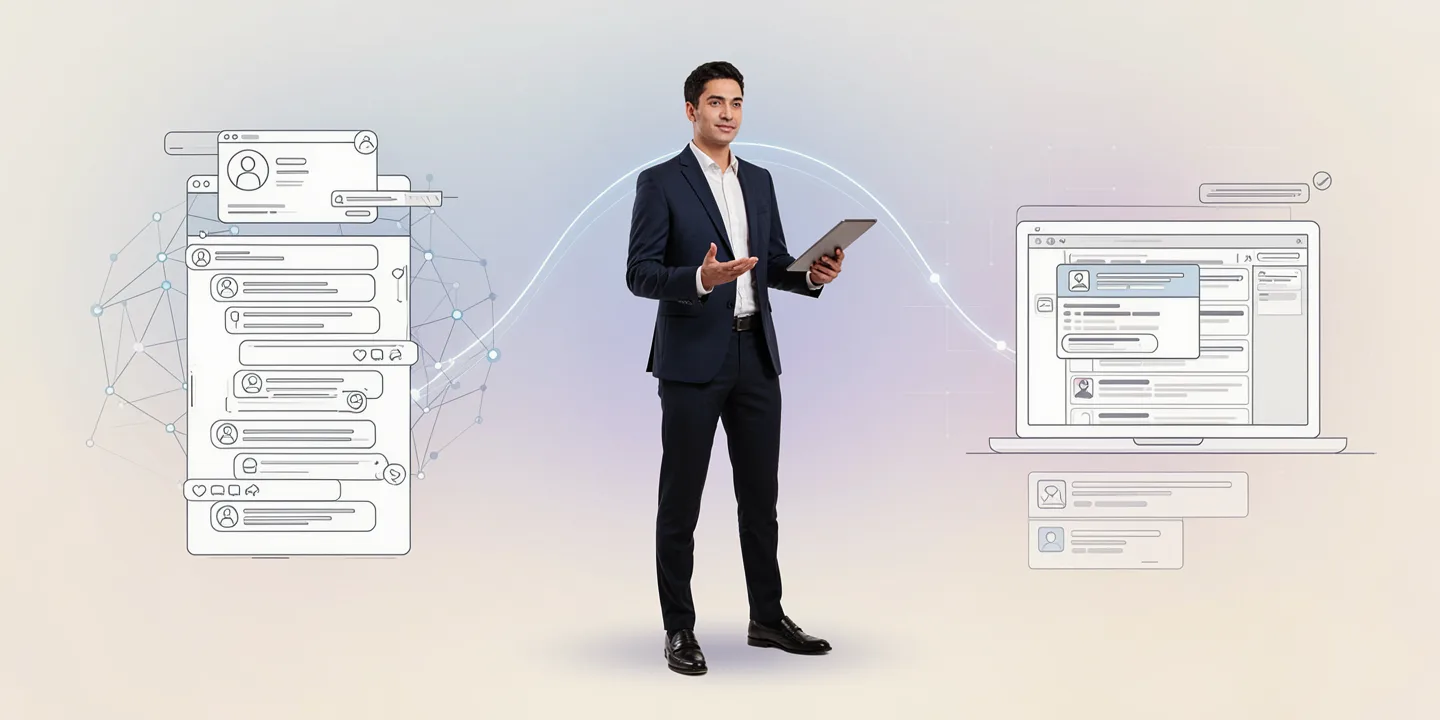
People first productivity puts employees at the center of workplace performance. Rather than treating productivity as a simple measurement of output, this approach considers motivation, collaboration, flexibility, technology and employee experience together.
As businesses continue adapting to digital transformation, the relationship between people and technology is becoming increasingly important. Consequently, organizations that understand employee needs can create workplaces where productivity grows naturally instead of being forced through excessive monitoring or rigid processes.
Why employee experience matters more than ever
Employees today expect more than a salary and a traditional office environment. They want meaningful work, supportive leadership, modern technology and flexibility in how they accomplish their responsibilities.
Therefore, organizations are rethinking how they define workplace success. A productive employee is not necessarily someone who spends the most hours online. Instead, productivity can come from having the right tools, clear priorities and an environment that encourages focused work.
At the same time, businesses must recognize that every employee works differently. Some professionals perform best through independent work, while others thrive through collaboration. Because of this, a personalized approach can help organizations unlock stronger performance across different teams.
This shift is also influencing HR trends and insights, particularly around employee engagement, workplace flexibility and talent retention.
Technology should support people rather than replace them
Technology has become an essential part of modern productivity. Cloud platforms, automation, artificial intelligence and collaboration software can reduce repetitive workloads and give employees more time for meaningful activities.
Nevertheless, technology should remain an enabler rather than becoming the focus of the workplace.
For example, intelligent automation can handle repetitive administrative responsibilities while employees concentrate on decision making, creativity and customer relationships. Similarly, collaboration platforms can connect distributed teams without removing the importance of human communication.
In addition, businesses can use technology insights to understand where processes are slowing employees down. When technology is introduced with a clear understanding of employee needs, digital transformation becomes more practical and effective.
Personalization creates stronger productivity
A personal touch can make a significant difference in how employees experience their workplace. Personalized learning opportunities, flexible schedules, supportive communication and relevant performance feedback can help employees feel valued.
Furthermore, managers can use individual strengths when assigning responsibilities. Someone with strong analytical skills may excel in research and planning, while another employee may deliver greater value through communication and creative thinking.
As a result, personalization can improve both employee satisfaction and business performance.
This principle extends beyond HR. Sales teams can personalize customer interactions, marketing departments can develop audience specific campaigns and finance teams can use technology to make information easier to understand.
Productivity is becoming more connected to business strategy
People first productivity is not simply an HR initiative. It can influence almost every part of an organization.
For instance, better employee experiences can contribute to stronger customer service. More efficient workflows can help sales teams spend additional time building relationships. Likewise, better collaboration can help technology teams deliver projects more efficiently.
Meanwhile, leaders can use IT industry news and Finance industry updates to understand how external changes may affect workforce priorities. In a similar way, Sales strategies and research can provide valuable information about changing customer expectations.
Therefore, productivity should be connected to broader business objectives rather than treated as an isolated workplace metric.
The role of leadership in a people focused workplace
Leadership has a major influence on workplace productivity. Even the most advanced technology cannot create a productive environment when employees lack clarity, trust or support.
Effective leaders communicate expectations clearly while giving employees enough autonomy to complete their responsibilities. Moreover, they create opportunities for feedback and recognize contributions that may not always appear in traditional productivity measurements.
Consequently, leadership becomes less about controlling activity and more about creating the conditions for strong performance.
This approach can also strengthen employee loyalty. When people believe that their organization understands their needs and supports their development, they are more likely to remain engaged over the long term.
Marketing and sales can benefit from a human approach
The same philosophy is increasingly visible outside internal operations. Customers also expect personalized experiences from brands.
Marketing teams can use Marketing trends analysis to understand changing audience preferences. Instead of delivering generic messages, companies can create relevant experiences based on customer behavior, interests and business needs.
Similarly, sales professionals can combine data with genuine human interaction. Technology can identify opportunities and automate administrative work, but meaningful conversations still require empathy and understanding.
As a result, businesses that balance technology with human connection can create stronger relationships throughout the customer journey.
Measuring productivity without losing the human element
Businesses still need measurable performance indicators. However, relying exclusively on hours worked or tasks completed can create an incomplete picture.
Organizations can instead consider project outcomes, customer satisfaction, employee engagement, quality of work and collaboration. Additionally, regular feedback can reveal challenges that conventional productivity metrics may overlook.
For example, an employee who completes fewer tasks but solves complex problems may deliver significantly greater business value than someone completing a high volume of routine activities.
Therefore, productivity measurement should focus increasingly on meaningful outcomes rather than activity alone.
Valuable insights for businesses
Businesses looking to improve productivity should begin by understanding where employees experience friction. Technology should then be selected to address those specific challenges rather than introduced simply because it is new.
Leaders should also encourage flexibility, continuous learning and transparent communication. At the same time, organizations can review employee feedback regularly to identify opportunities for improvement.
Most importantly, productivity should be viewed as a shared business responsibility. When leadership, HR, technology, sales and marketing teams work toward a common objective, employees receive a more consistent and supportive workplace experience.
Ultimately, people first productivity is about creating an environment where employees have the tools, trust and flexibility required to perform at their best. Businesses that successfully combine human understanding with technology can build stronger teams while preparing for a rapidly changing digital economy.
Reach out to BusinessInfoPro to explore smarter strategies that connect people, technology and sustainable business growth.
Source : workday.com