





Brands are increasingly using competitors as part of their advertising strategies to attract attention, highlight product differences and influence consumer choices. Rather than focusing only on their own strengths, companies sometimes name rival products, compare prices or directly challenge competing claims.
This approach, known as comparative advertising, is not new. However, social media, online video and rapidly changing consumer preferences have made competitive campaigns especially relevant to modern marketing. A well timed comparison can generate discussion and encourage consumers to reconsider familiar brands.
Moreover, direct challenges can help businesses communicate their value proposition quickly. However, the same strategy can create reputational risks when claims lack evidence or campaigns appear unnecessarily aggressive.
How Comparative Advertising Captures Attention
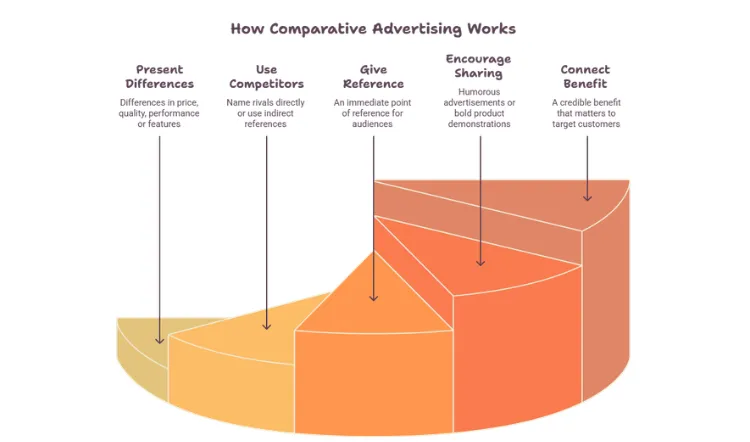
Comparative advertising presents a brand alongside one or more competitors to demonstrate differences in price, quality, performance or features. Some campaigns name rivals directly, while others use recognizable packaging, product categories or indirect references.
Technology companies have frequently used this approach to communicate differences between competing devices, operating systems and services. Fast food chains and consumer goods companies have also used playful challenges to position their products against established alternatives.
The strategy works by giving audiences an immediate point of reference. Consumers already familiar with a competitor can understand the comparison without learning an entirely new product category.
Furthermore, competitive messaging can encourage social sharing. A humorous advertisement or bold product demonstration may attract attention beyond its original audience, particularly when viewers debate which brand offers better value.
However, attention alone does not guarantee sales. Businesses must connect the comparison to a credible benefit that matters to their target customers.
Digital Platforms Have Changed the Competitive Playbook
Digital advertising has made it easier for brands to test different messages, target specific audiences and respond quickly to competitors. Social media posts, short videos and creator partnerships also allow campaigns to develop beyond traditional television and print advertising.
Meanwhile, consumers can immediately challenge misleading claims, share competing evidence or turn an advertisement into an online discussion. This creates opportunities for greater visibility, but it also increases the potential cost of a poorly judged campaign.
Marketing teams can use audience engagement, click through rates, conversion rates and brand sentiment to assess whether a competitive advertisement produces meaningful results. Consequently, businesses can evaluate more than views and likes when measuring campaign performance.
These developments are relevant to marketing trends analysis because brands must balance creative impact with measurable commercial outcomes. Technology insights and data driven campaign tools can help advertisers identify which messages resonate without relying solely on provocative content.
The Risks of Naming a Rival Brand
Calling out a competitor can strengthen a campaign, but unsupported comparisons may undermine consumer trust. Advertisers need reliable evidence when making claims about prices, product quality, performance or market leadership.
In India, the Advertising Standards Council of India provides a self regulatory framework for advertising. Its Code permits comparative claims under conditions designed to prevent unfair denigration and misleading representations. Applicable consumer protection laws and other legal requirements may also affect how companies present their claims.
In the United States, the Federal Trade Commission supports truthful, non deceptive advertising and recognizes the potential benefits of properly substantiated comparisons. Rules and enforcement requirements vary by market, making local compliance important for international campaigns.
Additionally, an aggressive advertisement can unintentionally increase awareness of the rival brand. Consumers may remember the competitor more clearly than the company that launched the campaign.
Brands should therefore assess the likely response before publishing a direct challenge. A comparison that appears confident and entertaining can become damaging if audiences interpret it as misleading, disrespectful or desperate.
What Businesses Should Know
Businesses considering competitive advertising should focus on evidence, customer needs and clear differentiation rather than provocation alone.
First, every comparative claim should be supported by current and verifiable information. Second, advertisements should explain why a product benefits customers instead of simply criticizing alternatives. Third, marketing teams should measure conversions, customer acquisition costs and changes in brand perception alongside engagement.
Furthermore, companies should prepare for competitor responses and public criticism before launching campaigns. A consistent message, transparent evidence and a clear understanding of the target audience can help reduce avoidable risks.
Ultimately, calling out rivals can create a memorable advertising moment, but sustainable brand growth depends on delivering the value promised in the campaign.
For more updates on advertising, business strategy and emerging marketing trends, visit BusinessInfoPro.com.
Explore our latest industry coverage to understand how changing consumer behavior and competitive strategies are shaping business decisions.