



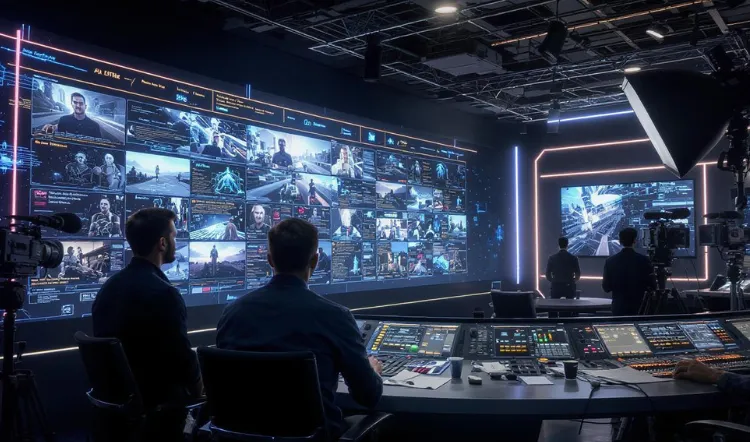
A New Creative Era for Entertainment
The entertainment industry has always embraced innovation, from the introduction of sound in cinema to the emergence of digital streaming platforms. Today, another groundbreaking shift is taking place as generative artificial intelligence becomes a powerful force across film and television. The rise of GenAI is changing how stories are imagined, produced, marketed, and experienced by audiences around the world.
As studios and creators search for new ways to improve efficiency while enhancing creativity, artificial intelligence is becoming an essential part of modern production workflows. Consequently, filmmakers now have access to tools that can accelerate creative processes without limiting artistic vision. This transformation is creating significant opportunities while also sparking important conversations throughout the industry.
How GenAI Is Reshaping Content Creation
One of the most noticeable impacts of generative AI can be seen in content development. Writers, producers, and creative teams are using intelligent systems to explore story concepts, develop character backgrounds, and generate creative ideas during early production stages.
Rather than replacing human creativity, these technologies serve as collaborative tools that help creative professionals overcome challenges and explore fresh perspectives. As a result, production teams can spend more time refining ideas and less time on repetitive tasks.
Furthermore, advanced AI models can analyze audience preferences and viewing patterns, providing valuable Technology insights that help creators understand emerging trends. This allows entertainment companies to make more informed decisions when developing new projects.
Enhancing Visual Effects and Production Workflows
Visual effects have traditionally required substantial budgets and long production timelines. However, GenAI is helping studios streamline complex processes while maintaining high quality standards.
For example, AI powered systems can assist with scene generation, background enhancement, image restoration, and digital asset creation. Meanwhile, editors can automate repetitive tasks that previously consumed countless hours. This increased efficiency allows creative professionals to focus on storytelling and artistic direction.
In addition, smaller production companies can now access advanced capabilities that were once available only to major studios. Consequently, the playing field is becoming more competitive and innovative.
Transforming Television Production
Television networks and streaming platforms are also embracing AI driven technologies. From script analysis to audience engagement forecasting, intelligent systems are supporting decision making throughout the production cycle.
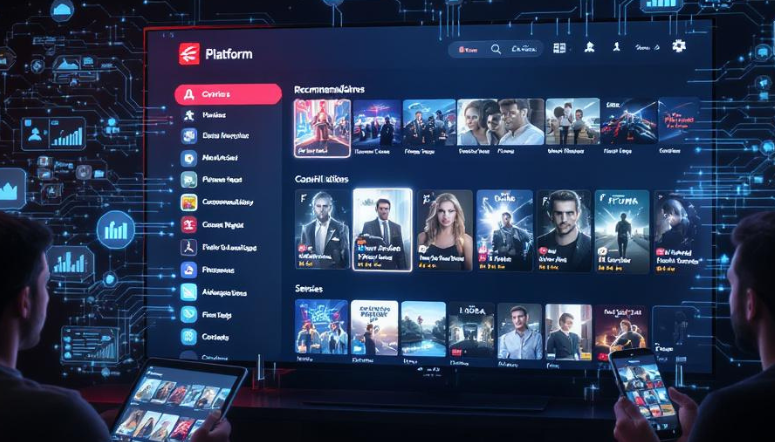
Moreover, personalized viewing experiences are becoming increasingly sophisticated. Streaming services can better understand viewer interests and recommend content that aligns with individual preferences. This creates stronger audience engagement while helping platforms improve content discovery.
At the same time, broadcasters are leveraging Marketing trends analysis to identify content categories with growing demand. These insights contribute to more strategic programming decisions and improved viewer retention.
The Impact on Creative Professionals
The growing adoption of AI has generated both excitement and concern among creative professionals. While some fear automation may reduce opportunities, many industry experts view these technologies as productivity enhancers rather than replacements.
Writers, editors, designers, and producers can use AI tools to streamline administrative work and accelerate production timelines. Consequently, they can dedicate more attention to creative problem solving and artistic development.
Additionally, the evolving landscape is creating demand for new skill sets. Professionals who understand both creative disciplines and emerging technologies are becoming increasingly valuable in the entertainment sector. This shift reflects broader HR trends and insights observed across multiple industries adapting to digital transformation.
Smarter Marketing and Audience Engagement
Successful film and television projects depend heavily on effective promotion. Generative AI is helping marketing teams create personalized campaigns, analyze consumer behavior, and optimize audience targeting strategies.
By evaluating large volumes of audience data, AI systems can identify patterns that support more effective promotional efforts. Furthermore, marketers can produce tailored content for different demographics, improving campaign performance and engagement rates.
These advancements closely align with modern Sales strategies and research, enabling entertainment businesses to better understand consumer preferences and maximize return on investment.
Economic Opportunities and Industry Growth
The increasing adoption of AI technologies is influencing the financial landscape of the entertainment industry. Production costs can be reduced in certain areas while overall efficiency continues to improve.
Investors and media organizations are closely monitoring developments in this space as new business models emerge. Many experts believe AI driven innovation will contribute significantly to future industry growth.
As a result, Finance industry updates increasingly highlight the role of artificial intelligence in driving operational efficiency, revenue generation, and long term competitiveness within media and entertainment markets.
Challenges and Ethical Considerations
Despite its advantages, the widespread use of AI introduces important ethical questions. Concerns surrounding intellectual property, content ownership, authenticity, and workforce impact remain topics of ongoing discussion.
Industry leaders are working to establish guidelines that balance innovation with responsible implementation. Transparency, accountability, and fair compensation will play critical roles in maintaining trust among creators, audiences, and organizations.
Therefore, as technology continues to evolve, stakeholders must ensure that innovation supports creative integrity rather than undermining it.
Valuable Insights for Media Leaders and Content Creators
Organizations that wish to remain competitive should focus on integrating AI as a collaborative tool rather than viewing it solely as an automation solution. Investing in workforce development, encouraging experimentation, and establishing ethical frameworks will help maximize long term value.
Keeping pace with Technology insights, monitoring IT industry news, evaluating HR trends and insights, reviewing Finance industry updates, applying Sales strategies and research, and understanding Marketing trends analysis can help entertainment businesses make informed decisions in an increasingly digital environment.
BusinessInfoPro helps organizations stay informed about emerging technologies, industry developments, and digital transformation strategies. Connect with our team today to discover expert perspectives that can support your business growth and innovation goals.