





The digital landscape is evolving faster than ever and businesses can no longer rely on isolated marketing efforts to stay competitive. A clear digital marketing strategy brings structure direction and measurable outcomes to online growth. As 2026 approaches brands that invest in strategic planning instead of short term tactics are positioning themselves for long term success across platforms audiences and technologies.
Understanding what a digital marketing strategy truly means is essential for decision makers marketers and growing organizations. More importantly knowing why it matters in 2026 helps businesses adapt to changing consumer behavior advanced technology and rising competition in the online space.
Understanding the core concept of digital marketing strategy
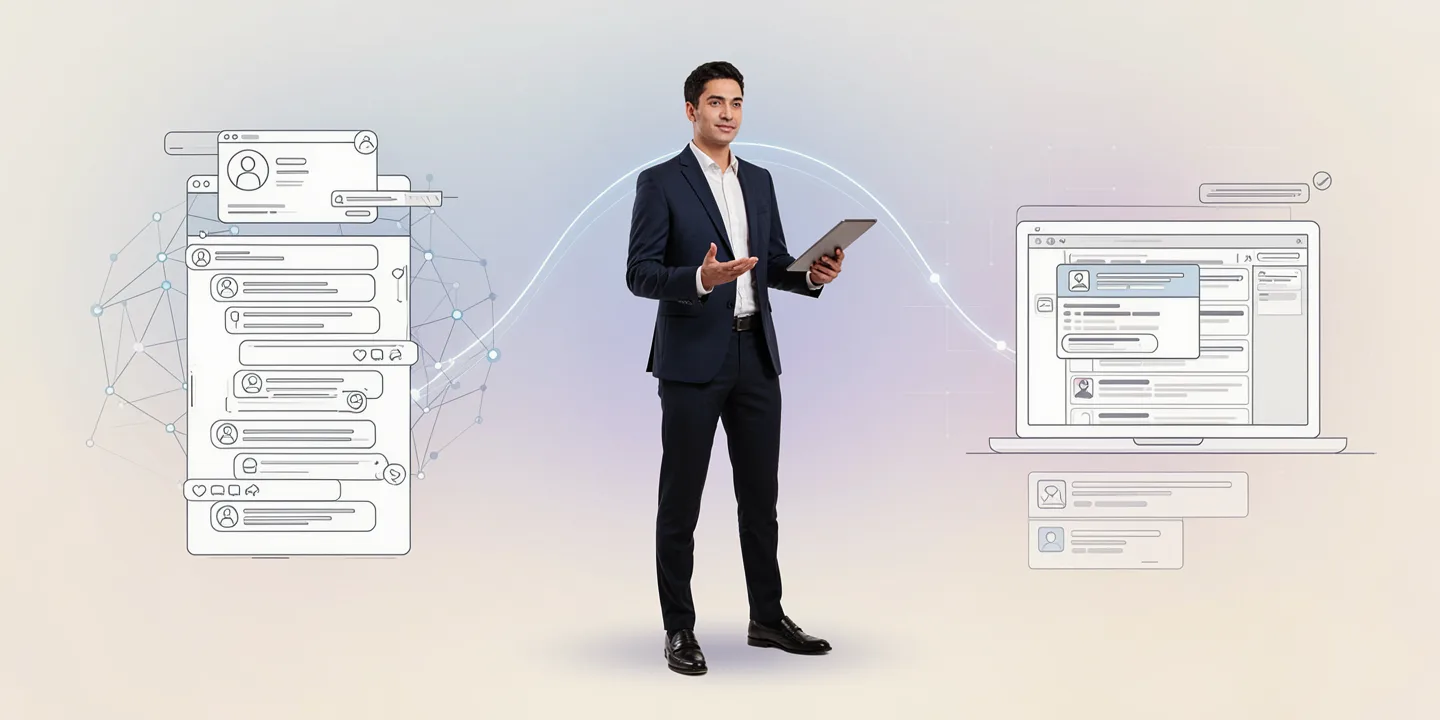
A digital marketing strategy is a structured plan that defines how a business uses digital channels to achieve its marketing and growth goals. It connects brand objectives with customer needs through data driven decision making and consistent messaging. Rather than focusing on individual campaigns it provides a holistic approach that aligns content search social media email and paid advertising into one cohesive system.
In today’s environment consumers interact with brands across multiple touchpoints. Therefore a strong strategy ensures that every interaction feels connected purposeful and relevant. This approach also allows businesses to track performance optimize efforts and adjust direction based on real insights rather than assumptions.
Why digital marketing strategy matters more in 2026
The importance of a digital marketing strategy continues to rise as competition intensifies and attention spans shrink. In 2026 consumers expect personalized experiences transparency and value driven communication. Without a strategy businesses risk wasting resources on disconnected efforts that fail to deliver meaningful results.
Additionally emerging technologies such as artificial intelligence automation and advanced analytics are reshaping how marketing works. A well defined strategy helps businesses adopt these tools effectively rather than chasing trends without clarity. It also enables brands to stay aligned with marketing trends analysis while maintaining consistency across platforms.
The role of data and technology in modern strategies
Data has become the foundation of every successful digital marketing strategy. Businesses now have access to detailed insights about user behavior preferences and engagement patterns. When used correctly this data guides content creation campaign optimization and customer journey mapping.
Technology insights play a crucial role in shaping modern strategies. Marketing automation customer relationship management systems and AI driven tools help businesses scale efforts without losing personalization. As a result companies can respond faster make smarter decisions and create experiences that resonate with their audience.
Aligning strategy with evolving consumer behavior
Consumer behavior in 2026 is shaped by trust convenience and relevance. People research extensively before making decisions and they value brands that provide clear helpful information. A strategic approach ensures that businesses show up at the right moment with the right message.
This alignment is especially important for industries experiencing rapid change. IT industry news HR trends and insights finance industry updates and sales strategies and research all influence how audiences think and act. A strong strategy allows businesses to connect these insights with their messaging to stay relevant and authoritative.
Integrating content and search for long term visibility
Content remains at the heart of every effective digital marketing strategy. However success depends on more than publishing frequently. Strategic content focuses on solving problems answering questions and building trust over time. When combined with search optimization it creates sustainable visibility and organic growth.
Search engines prioritize helpful experience driven content. Therefore businesses must focus on quality relevance and structure. By aligning content with user intent and industry topics such as marketing trends analysis brands can improve rankings while delivering genuine value.
Consistency across channels builds brand trust
One of the biggest advantages of a digital marketing strategy is consistency. When messaging design and tone remain aligned across channels audiences develop stronger brand recognition and trust. This consistency also improves conversion rates since users feel confident engaging with a brand that communicates clearly.
In 2026 omnichannel presence is no longer optional. Consumers move seamlessly between devices and platforms. A strategic framework ensures that businesses meet users wherever they are while maintaining a unified brand identity.
Measuring success and adapting in real time
A digital marketing strategy is not static. It evolves based on performance insights and market changes. Clear goals and key performance indicators help businesses measure what works and what needs improvement. This ongoing optimization is what separates successful brands from those that fall behind.
With access to real time analytics businesses can quickly adjust campaigns refine messaging and reallocate resources. This agility is especially valuable in fast changing sectors influenced by technology insights and industry updates.
Building future ready businesses through strategy
As digital ecosystems grow more complex businesses need a roadmap to navigate change. A digital marketing strategy provides that roadmap by connecting vision execution and measurement. It supports scalability improves efficiency and strengthens competitive advantage.
More importantly it empowers businesses to make informed decisions. Instead of reacting to trends companies can proactively shape their digital presence and build meaningful relationships with their audience.
Strategic insights for applying digital marketing in 2026
Businesses looking to strengthen their digital presence should focus on aligning strategy with audience intent data insights and long term goals. Investing in research understanding industry shifts and staying informed through IT industry news HR trends and insights and finance industry updates helps shape smarter marketing decisions. When strategy guides every action growth becomes intentional measurable and sustainable.
A thoughtful approach also encourages collaboration between marketing sales and leadership teams. This alignment ensures that messaging supports revenue goals while maintaining brand credibility and customer trust.
Connecting with BusinessInfoPro means gaining access to expert driven insights that turn strategy into measurable success. Reach out today to explore how a future focused digital marketing strategy can elevate your business in 2026 and beyond.