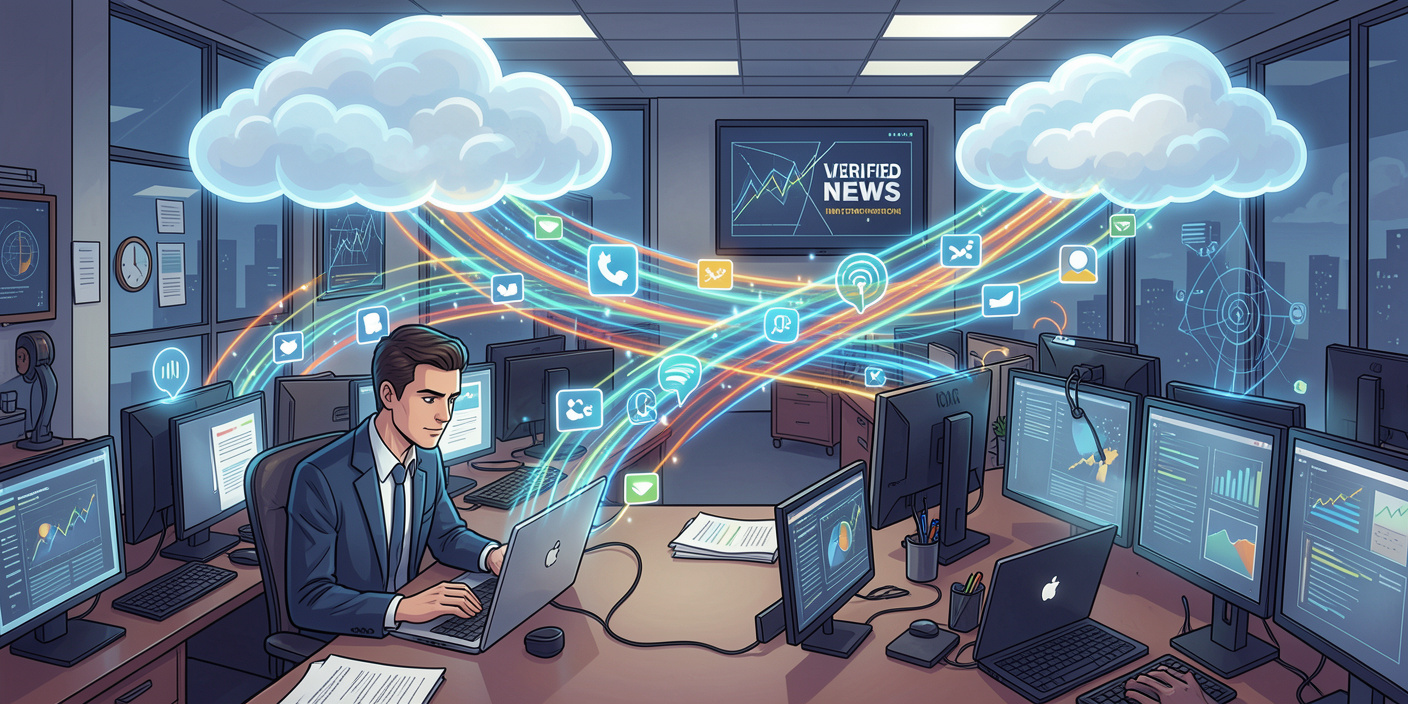




Artificial intelligence is changing how Software as a Service companies attract customers, generate leads and retain subscribers. From personalized campaigns to automated advertising, AI tools are helping marketing teams analyze customer behavior and make faster, data driven decisions. As competition increases across the software industry, businesses are adopting these technologies to improve marketing efficiency and demonstrate measurable returns.
Recent industry research highlights the growing adoption of AI across marketing departments. According to the World Federation of Advertisers, 96% of surveyed major brands used generative or agentic AI in 2026, compared with 45% in 2023. The findings reflect a shift from experimental applications toward broader use in research, media optimization, strategic planning and workflow automation.
For SaaS businesses operating subscription based models, these developments could influence everything from customer acquisition costs to long term customer lifetime value.
Key Developments in AI Powered Marketing
Several developments are shaping the adoption of AI across digital marketing.
- Personalized customer experiences help SaaS businesses deliver relevant messages based on user behavior and preferences.
- Predictive analytics help marketing teams identify promising leads and estimate customer churn risks.
- Automated advertising enables faster campaign adjustments and more targeted audience engagement.
- Conversational AI supports lead qualification and provides immediate responses to customer questions.
- Marketing analytics helps businesses connect campaign performance with subscriptions, conversions and revenue.
These applications allow marketing teams to move beyond routine automation and focus more closely on customer needs and business outcomes.
Personalization Improves Lead Generation and Retention
SaaS companies often serve customers with different needs, budgets and levels of product knowledge. AI can help segment audiences using available customer data and tailor messages to each stage of the buying journey.
For example, a software provider can recommend relevant features based on how customers use its platform. Marketing teams can also personalize email campaigns, product demonstrations and onboarding messages.
Furthermore, predictive analytics can help identify accounts that may be ready to upgrade or customers who appear less engaged. These insights give sales and customer success teams more time to address customer needs. However, predictions depend on reliable data and should support, rather than replace, human judgment.
AI Advertising Tools Change Campaign Management
Advertising platforms are integrating AI into campaign creation, targeting and performance analysis. In May 2026, Google announced new AI powered advertising experiences, including conversational ad formats and tools designed to help marketers develop creative assets and manage campaigns.
Google also introduced Business Agent for Leads in beta in India. The feature allows prospective customers to interact with an AI agent within an advertisement and receive answers based on the advertiser’s website.
These developments could benefit SaaS companies that rely on demo requests, free trials and qualified leads. AI assistants can answer routine questions, while automated campaign tools can help marketers adjust creative content and reach relevant audiences.
Nevertheless, companies must evaluate these tools against qualified lead volume, customer acquisition costs and paid subscription conversions. More clicks do not necessarily translate into more revenue.
AI Search Creates New Challenges for SaaS SEO
AI generated answers are changing how potential customers discover software products. Buyers increasingly use conversational search tools to compare platforms, understand technical features and explore solutions before visiting company websites.
Consequently, SaaS marketers must adapt their search engine optimization strategies. Clear product documentation, original research, useful comparison pages and accurate technical information can help establish credibility and improve the chances of being referenced in relevant search experiences.
Research published by the World Federation of Advertisers in September 2026 found that 73% of surveyed brands were actively monitoring or measuring their visibility in AI generated search experiences. However, only 8% reported having a clear strategy for this area.
The findings highlight an emerging challenge for software businesses. Traditional search rankings remain important, but marketing teams must also understand how customers discover brands through AI powered tools.
Data Quality and Privacy Remain Major Concerns
Despite these opportunities, AI driven marketing depends on accurate, relevant and appropriately collected customer information. Fragmented CRM records, incomplete product usage data and outdated contact details can weaken personalization and lead scoring.
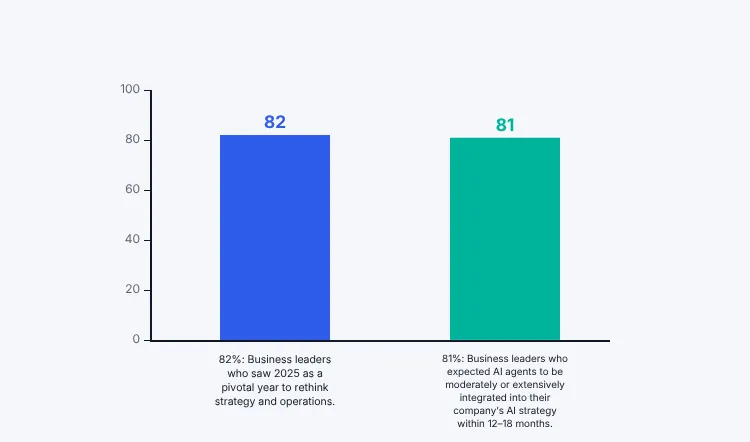
Salesforce reported in July 2026 that 81% of surveyed marketers in India had adopted AI. Its research also found that disconnected or irrelevant customer data remained a major obstacle to effective customer engagement.
Nishant Kalra, Vice President of Sales at Salesforce South Asia, said, “The biggest barrier to personalisation today isn’t AI, it’s the quality and connectedness of the data that powers it.”
The findings underline why SaaS businesses should improve data management before expanding automated marketing. Companies must also protect customer information, review AI generated content and establish clear approval procedures.
Moreover, human oversight remains essential when marketing messages involve pricing, contractual commitments, security claims or regulated industries. AI generated content should be checked for accuracy, originality and brand consistency before publication.
What Businesses Should Know
AI is becoming an important part of SaaS marketing, but successful adoption requires more than purchasing new software. Businesses should connect AI initiatives to measurable commercial goals and introduce them gradually.
Marketing teams can begin by automating repetitive tasks, improving lead qualification and personalizing onboarding campaigns. They should then assess performance using metrics such as conversion rates, customer acquisition costs, trial to paid conversion, customer retention and marketing return on investment.
Additionally, companies should ensure that marketing, sales and customer success teams share reliable customer data. This approach can improve coordination and help teams understand which activities contribute to recurring revenue.
The future of digital marketing will likely combine AI driven efficiency with human creativity, strategic judgment and customer trust. SaaS companies that balance these priorities will be better positioned to respond to changing buyer expectations and competition.
For more Technology insights and Marketing trends analysis, visit BusinessInfoPro.com.