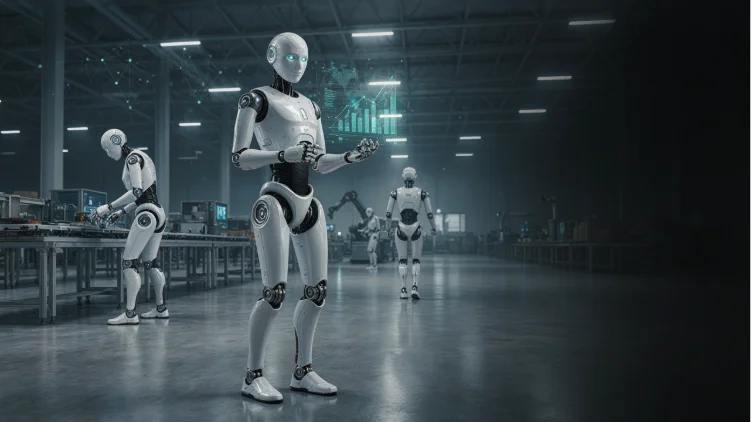







Human Computer Interaction (HCI) is the study of how people use computers, software, and digital devices. It brings together computer science, psychology, design, and human factors to create systems that are easy and useful to use. The main goal of HCI is to improve the user experience by making technology accessible, clear, and effective for different audiences.
At its core, HCI focuses on user behavior and the way people interact with technology. Whether it is a smartphone app, website, or industrial system, HCI principles help designers and developers create better digital experiences. By studying user interactions, teams can find problems, improve workflows, and increase user satisfaction.
Importance of Human Computer Interaction
HCI plays an important role in today’s digital world. As technology becomes part of everyday life, users expect simple and smooth interactions. Poor design can cause frustration, mistakes, and wasted time. On the other hand, a well-designed interface can improve productivity, reduce mental effort, and increase engagement.
For businesses, strong HCI can create a clear advantage. Products that are easy to use often gain more users and build greater trust. In addition, good HCI can improve customer satisfaction and encourage long-term loyalty. It also helps organizations create products that work well for people with different abilities, backgrounds, and levels of technical skill.
Principles of Human Computer Interaction
Several key principles support effective HCI design. These include usability, accessibility, consistency, feedback, and error prevention. Usability makes a system easy to learn and use. Accessibility helps people with disabilities interact with digital products. Meanwhile, consistency allows users to understand how a system works and predict what will happen next.
Feedback is also important because it tells users whether an action has worked. Similarly, error prevention helps reduce mistakes and makes a system more reliable. Together, these principles create a clearer and more comfortable user experience.
Designers also use an iterative approach when developing digital products. They test an interface with users, study the results, and make improvements. As a result, the product can develop around real user needs instead of assumptions.
Applications of Human Computer Interaction
HCI is used across many industries and technologies. In software development, it helps teams create clear interfaces for desktop software, mobile apps, and websites. In healthcare, HCI improves the design of medical devices, electronic health records, and telemedicine platforms. Better interfaces can make these systems easier to use and help reduce errors.
Education is another important area for HCI. Interactive learning platforms and e-learning tools can use HCI principles to make lessons easier to follow and more engaging. Similarly, gaming and entertainment products depend on simple controls, clear feedback, and well-designed digital environments.
HCI also supports industrial and automotive systems. In these areas, people often work with machines, dashboards, and control systems. Therefore, clear human-machine interaction can improve both safety and productivity.
User Experience and Human Computer Interaction
User experience (UX) is closely connected to HCI. HCI mainly studies how people interact with technology, while UX looks at the complete experience. This includes ease of use, satisfaction, emotions, and the value users feel they receive from a product.
A successful HCI design should therefore do more than provide useful features. It should also help users complete tasks without unnecessary effort. By reducing confusion and mental strain, designers can create experiences that feel more natural.
UX professionals use methods such as usability testing, eye-tracking studies, surveys, and behavioral analytics to understand users. These methods help teams identify user needs, common problems, and areas for improvement. Consequently, designers can make interfaces more useful, efficient, and engaging.
Emerging Trends in Human Computer Interaction
HCI continues to change as new technologies develop. Artificial intelligence and machine learning, for example, can help systems understand user behavior and provide more personalized experiences. Voice interfaces and natural language processing are also making digital interactions more conversational.
At the same time, augmented reality (AR) and virtual reality (VR) are creating new ways to interact with digital content. These technologies allow users to experience information through immersive environments rather than traditional screens.
Wearable devices and the Internet of Things (IoT) are also expanding the role of HCI. These products must work smoothly within people’s daily routines. As devices become more connected, designers need to focus on usability, accessibility, privacy, and responsible use.
Challenges in Human Computer Interaction
Despite these advances, HCI still faces several challenges. Designing products for different groups requires a careful balance between simplicity and functionality. At the same time, teams must consider accessibility and possible user errors.
Rapid changes in technology also require HCI professionals to keep learning. New devices, interfaces, and AI systems can change how people interact with technology. Therefore, designers need to understand both current tools and changing user expectations.
Privacy, data security, and AI bias are additional concerns. HCI teams must consider how products collect and use information. They also need to make sure that automated systems do not create unfair or harmful experiences.
Furthermore, users have different cognitive abilities, cultural backgrounds, and environments. Creating products that work well for everyone requires cooperation between designers, engineers, psychologists, and human factors specialists.
Future of Human Computer Interaction
The future of HCI will focus on more natural, intelligent, and context-aware interfaces. Adaptive systems can learn from user behavior and adjust the experience based on user needs. In addition, voice, gesture, AR, and VR technologies can create new ways for people to interact with digital systems.
AI, IoT, and smart devices will also become more closely connected to everyday life. As a result, HCI designers will need to create systems that remain simple while handling more complex technology.
Privacy and security will remain important as well. Users need to understand how their information is collected and used. Therefore, future HCI design will need to balance convenience with control, transparency, and trust.
As technology becomes more common in everyday activities, HCI will continue to connect people with machines. Its focus will remain clear: create technology that is useful, accessible, easy to understand, and designed around real human needs.
Ready to explore more about technology trends, user experience, and design innovations? Navigate readers to BusinessInfoPro for in-depth insights and resources.