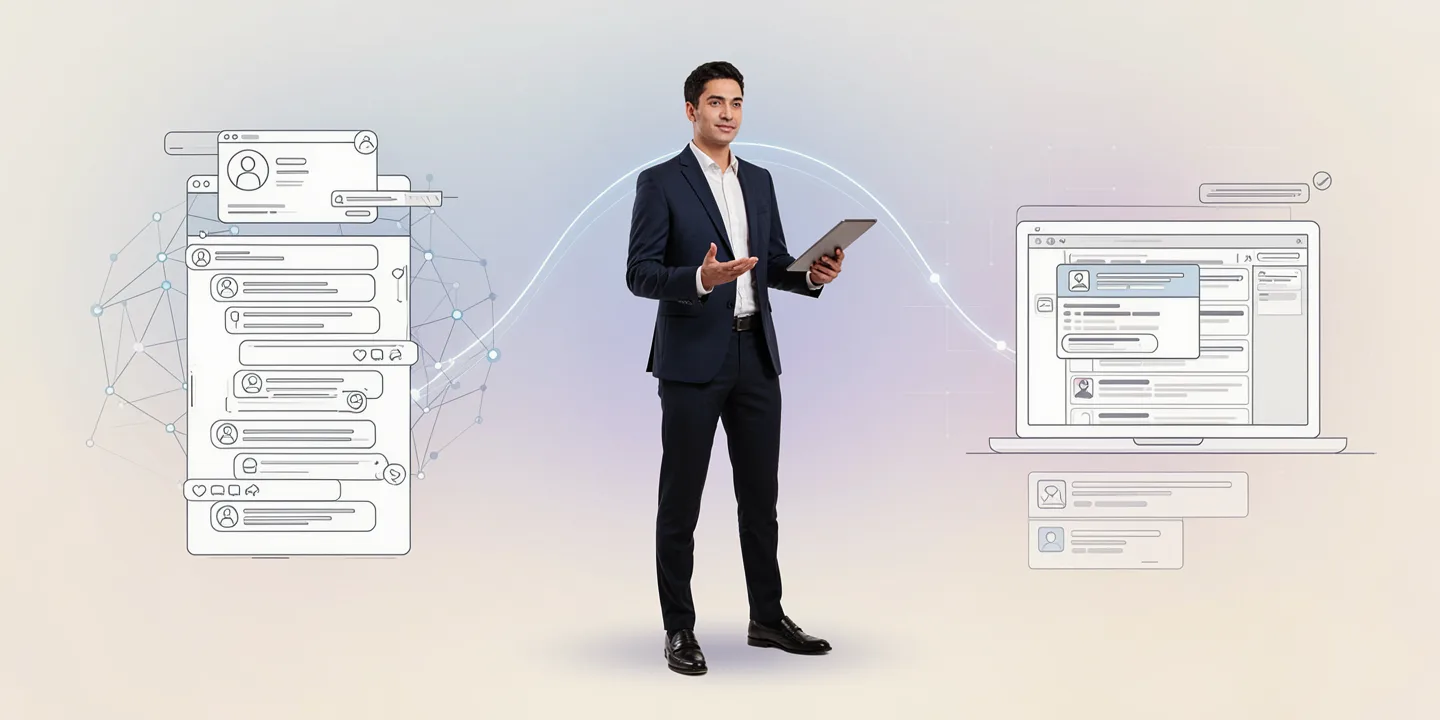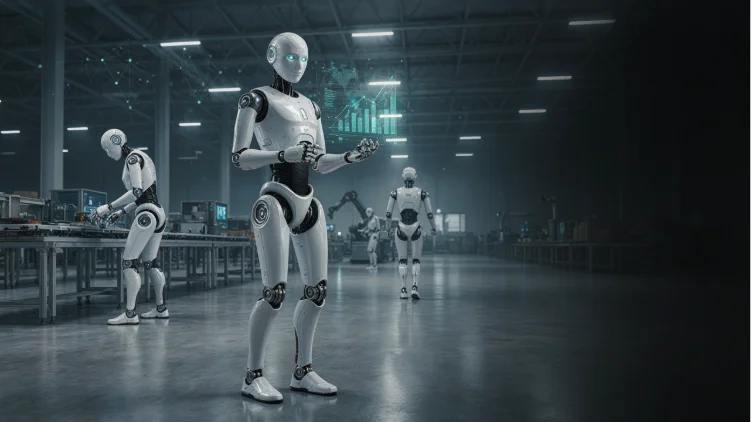





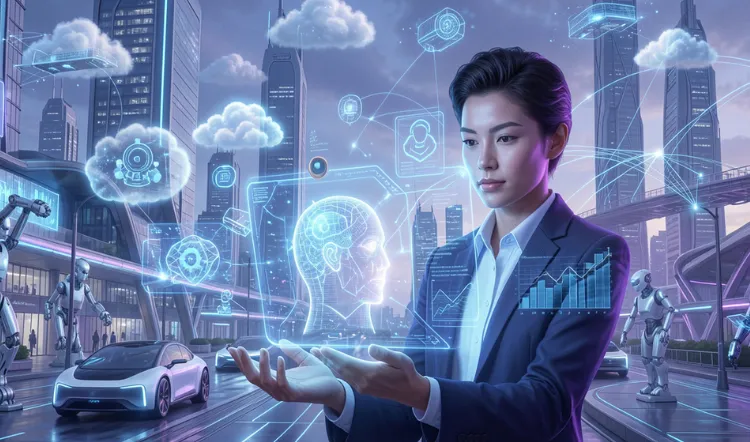
Artificial intelligence is moving from a background technology into an everyday part of digital life. By 2035, AI could influence how people work, communicate, shop, learn, manage money, and interact with digital services. Some changes may make life remarkably convenient. Others could introduce risks that are difficult to reverse.
The future of AI changes to digital life will depend not only on technological progress but also on how businesses, governments, and individuals choose to use these systems. Therefore, understanding both the opportunities and the risks is becoming increasingly important.
Smarter Digital Experiences
One of the most positive AI changes to digital life could be the rise of highly personalized digital experiences. Instead of searching through dozens of websites or applications, people may simply explain what they need and allow intelligent systems to complete much of the process.
For example, an AI assistant could compare travel options, organize schedules, summarize documents, prepare shopping recommendations, and manage routine digital tasks. As a result, people could spend less time navigating complicated interfaces and more time focusing on meaningful activities.
This transformation also offers valuable Technology insights for businesses. Companies that understand customer behavior and use AI responsibly could create faster, more relevant, and more convenient experiences.
AI Could Transform the Workplace
The workplace is likely to experience some of the most significant changes. AI could handle repetitive administrative tasks while employees concentrate on creativity, decision making, relationship building, and complex problem solving.
At the same time, this shift could change hiring requirements. HR teams may increasingly focus on adaptability, digital literacy, critical thinking, and the ability to collaborate with intelligent systems. These developments are already influencing HR trends and insights across industries.
However, workplace automation may also create uncertainty. Some roles could shrink while new positions emerge. Consequently, companies will need stronger reskilling programs to help employees adapt rather than simply replacing human workers with technology.
The Growing Risk of Digital Dependence
Convenience can become a weakness when people depend too heavily on automated systems. If AI handles every search, decision, recommendation, and communication, users may gradually lose confidence in their own judgment.
Moreover, highly personalized systems could create digital environments that constantly predict what people want. While this can improve convenience, it may also reduce exposure to different perspectives and encourage passive consumption.
The best AI changes to digital life should therefore support human decision making rather than quietly replace it.
Privacy Could Become More Complicated
AI systems require information to provide personalized services. Consequently, the growth of intelligent digital platforms could increase concerns about how personal data is collected, stored, analyzed, and shared.
By 2035, people may need greater visibility into what information AI systems use and why certain decisions are made. Businesses, meanwhile, will need stronger data governance and transparent privacy practices.
This issue connects closely with IT industry news because cybersecurity, data protection, cloud infrastructure, and AI governance are becoming increasingly interconnected.
Misinformation May Become More Convincing
Another serious concern is the ability of AI to generate realistic text, images, audio, and video at scale. As these tools become more sophisticated, distinguishing authentic information from manipulated content could become harder.
Therefore, digital literacy may become just as important as technical innovation. People will need to question sources, verify important claims, and understand how synthetic content can influence opinions.
For businesses, this challenge could affect reputation and customer trust. A single convincing piece of false content could spread rapidly before an organization has time to respond.
AI Will Reshape Business Decisions
AI could also influence how companies make financial and commercial decisions. Businesses may use intelligent systems to analyze market conditions, forecast demand, identify financial risks, and personalize customer experiences.
Finance industry updates will increasingly involve AI driven forecasting, automation, fraud detection, and data analysis. Similarly, sales teams could use predictive tools to understand customer intent and identify stronger opportunities.
At the same time, Marketing trends analysis is likely to become more data focused. AI could help marketers create personalized campaigns, analyze consumer behavior, and adjust messaging almost instantly. Sales strategies and research could also become more predictive as organizations gain access to richer behavioral data.
Human Creativity Will Still Matter
Despite rapid automation, human creativity is unlikely to disappear. Instead, AI may become a creative partner that helps people explore ideas faster, analyze alternatives, and transform concepts into useful digital experiences.
Writers, designers, marketers, developers, researchers, and entrepreneurs could use AI to accelerate routine stages of their work. Nevertheless, originality, empathy, judgment, cultural understanding, and emotional intelligence will remain difficult to automate completely.
This balance may define the most valuable AI changes to digital life. Technology can increase human capability, but people still need to decide what deserves to be created and why.
What Businesses Should Prepare For
Businesses should begin preparing for the future instead of waiting until AI becomes unavoidable. First, leaders should identify repetitive processes that could benefit from responsible automation. Next, they should invest in employee training and establish clear rules around data, privacy, security, and AI generated content.
Furthermore, companies should monitor customer expectations because digital experiences are likely to become increasingly immediate and personalized. Organizations that fail to adapt may find themselves competing against businesses that use AI to deliver faster service and better insights.
Practical Insights for the AI Era
The future of AI changes to digital life will not be defined by technology alone. It will be shaped by choices about trust, transparency, employment, privacy, creativity, and responsible innovation.
Businesses can prepare by developing AI literacy across teams, reviewing data practices, strengthening cybersecurity, and regularly evaluating automated decisions. Individuals can benefit by learning how AI systems work, verifying important information, protecting personal data, and maintaining critical thinking skills.
Most importantly, organizations should view AI as a tool for improving human potential rather than simply reducing human involvement. That approach can help businesses capture the benefits of innovation while limiting unnecessary risks.
Reach out to BusinessInfoPro for practical perspectives that help businesses understand emerging technology and changing digital markets. Stay informed, adapt with confidence, and turn emerging opportunities into smarter business decisions.