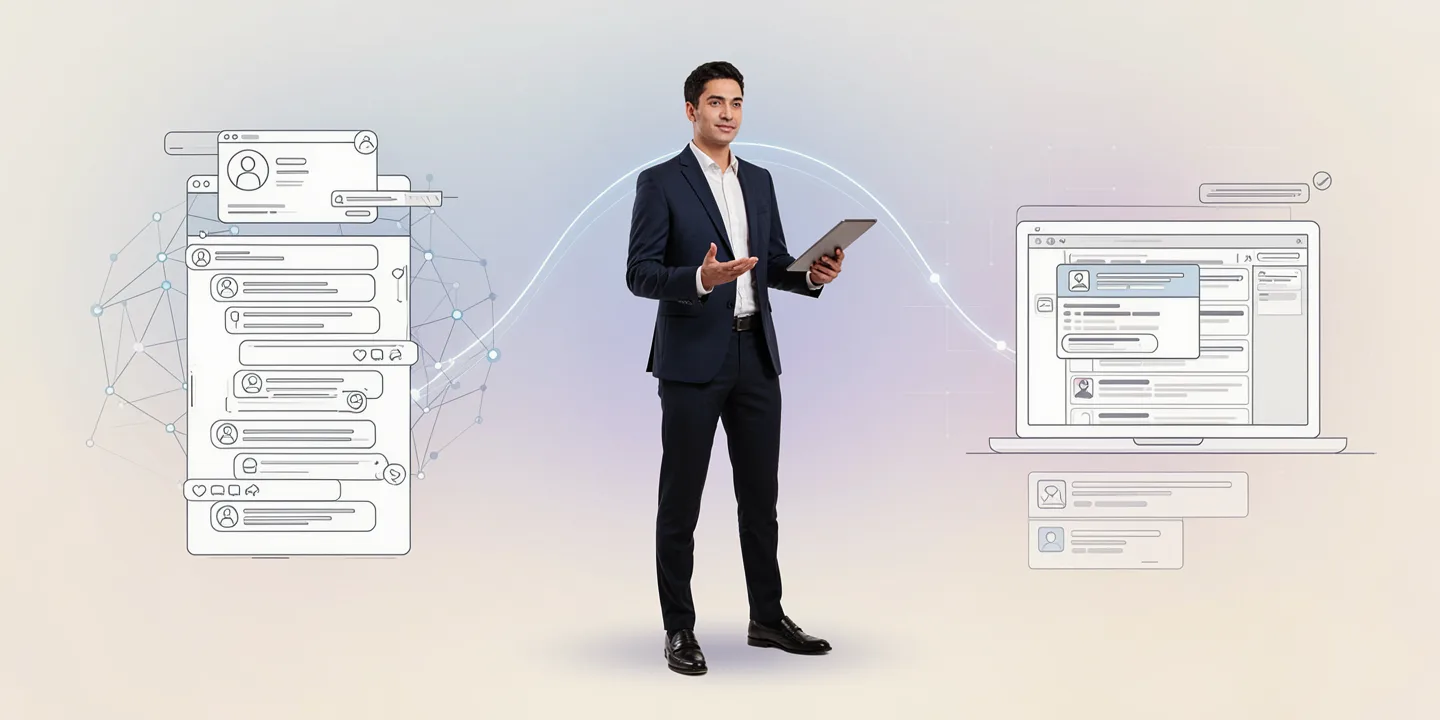






Artificial intelligence has transformed cybersecurity by making it possible to detect thousands of weaknesses across networks, applications, cloud environments, and connected devices within minutes. Organizations now receive an unprecedented amount of security data every day. Although this level of visibility is impressive, it has introduced a new challenge. Security teams are no longer struggling to discover issues. Instead, they are struggling to decide which ones deserve immediate attention.
As organizations continue expanding their digital infrastructure, security alerts grow at an even faster pace. Consequently, teams often spend valuable time reviewing findings that carry little business impact while critical risks wait for action. This shift has made effective prioritization one of the most important cybersecurity capabilities for modern enterprises.
The Hidden Cost of Too Much Security Data
AI powered scanners rarely miss vulnerabilities, yet they frequently generate more findings than teams can realistically address. As a result, analysts face alert fatigue, delayed response times, and increasing operational pressure. Even well staffed security departments can become overwhelmed when every issue appears equally important.
Furthermore, businesses often operate with limited budgets and finite resources. Addressing every discovered weakness immediately is rarely practical. Therefore, organizations need a smarter method to separate meaningful risks from routine technical findings. This approach helps reduce unnecessary work while improving overall security outcomes.
Why Context Matters More Than Detection
Not every vulnerability creates the same level of business exposure. Some weaknesses exist in systems with minimal access, while others affect customer facing platforms or critical financial operations. Therefore, understanding business context is just as valuable as discovering vulnerabilities.
Modern AI platforms increasingly combine technical severity with environmental context. They evaluate asset importance, exposure to attackers, existing security controls, and the likelihood of exploitation. Consequently, security teams receive recommendations that better reflect real business priorities rather than relying solely on generic severity scores.
This contextual intelligence allows organizations to make informed decisions instead of reacting to every alert with equal urgency.
AI Helps Teams Focus on Business Impact
Artificial intelligence continues to evolve beyond simple vulnerability detection. Today, many advanced platforms analyze attack paths, identify exploitable weaknesses, and estimate potential operational disruption. As a result, security professionals can allocate resources where they generate the greatest reduction in risk.
Moreover, executive leaders benefit from clearer visibility into security priorities. Rather than reviewing lengthy technical reports, they gain meaningful insights that connect cybersecurity with operational resilience, compliance, and business continuity. This alignment strengthens collaboration between technical teams and business leadership.
Smarter Prioritization Supports Better Business Decisions
Risk prioritization creates value well beyond cybersecurity operations. Organizations that focus on the most significant threats reduce downtime, improve customer confidence, and strengthen regulatory readiness. In addition, efficient prioritization supports stronger investment planning because security budgets target initiatives with measurable business value.
Likewise, business leaders increasingly rely on Technology insights to understand emerging digital risks and investment opportunities. Staying informed through trusted IT industry news enables organizations to anticipate changing threat landscapes before they become costly problems.
At the same time, effective workforce planning benefits from HR trends and insights, ensuring security teams possess the skills required to manage evolving technologies. Financial leaders also monitor Finance industry updates to balance cybersecurity investments with long term organizational growth. Meanwhile, executives refine Sales strategies and research by protecting customer information and maintaining trust throughout the buying journey. Additionally, businesses benefit from Marketing trends analysis, which highlights how secure digital experiences influence customer engagement and brand reputation.
Human Expertise Remains Essential
Although AI delivers remarkable analytical capabilities, human judgment continues to play a critical role. Experienced security professionals understand organizational priorities, regulatory obligations, and operational realities that automated systems cannot fully interpret.
For example, a moderate technical vulnerability may become highly significant if it affects a mission critical business service. Conversely, a severe vulnerability located in an isolated environment may require less immediate attention. Therefore, successful organizations combine intelligent automation with experienced decision makers to achieve balanced and practical security strategies.
Building a More Effective Risk Management Strategy
Businesses should focus on creating security programs that emphasize business impact instead of simply counting vulnerabilities. Regular asset classification, continuous monitoring, and contextual risk analysis help teams direct their attention toward the issues that matter most.
In addition, integrating AI driven analytics into existing security workflows improves collaboration across departments and reduces unnecessary operational effort. As cybersecurity challenges continue evolving, organizations that prioritize intelligently will respond faster, reduce exposure, and strengthen long term resilience.
Practical Insights for Better Risk Prioritization
Organizations achieve stronger cybersecurity outcomes when they evaluate vulnerabilities according to business impact rather than technical severity alone. Combining AI driven analysis with expert decision making allows teams to reduce unnecessary remediation work while addressing the threats that truly affect operations, customer trust, and long term growth.
Regular reviews of critical assets, continuous monitoring, and alignment between security leaders and business executives create a more focused approach to risk management. Businesses that embrace this strategy remain better prepared for changing cyber threats while making smarter technology investments.
Connect with BusinessInfoPro today to stay ahead with trusted insights that support sustainable business growth and smarter digital transformation.