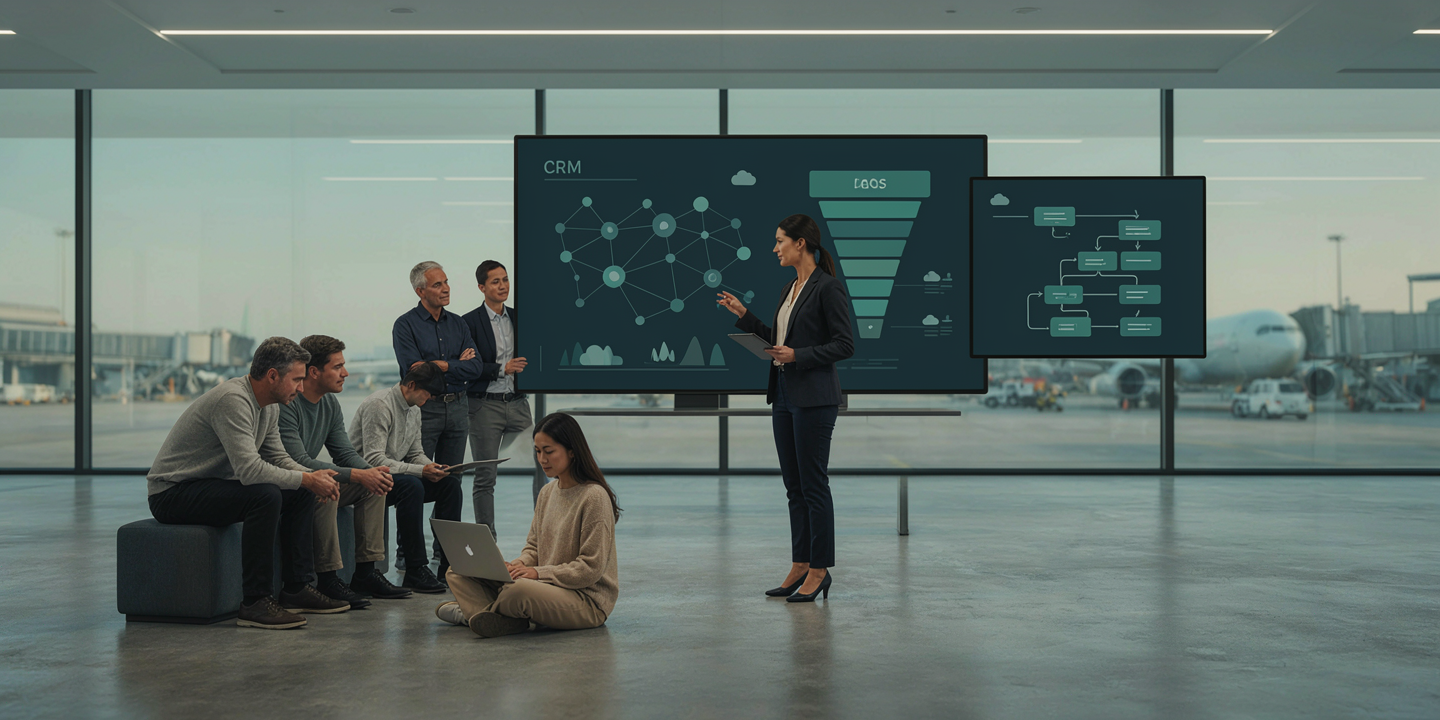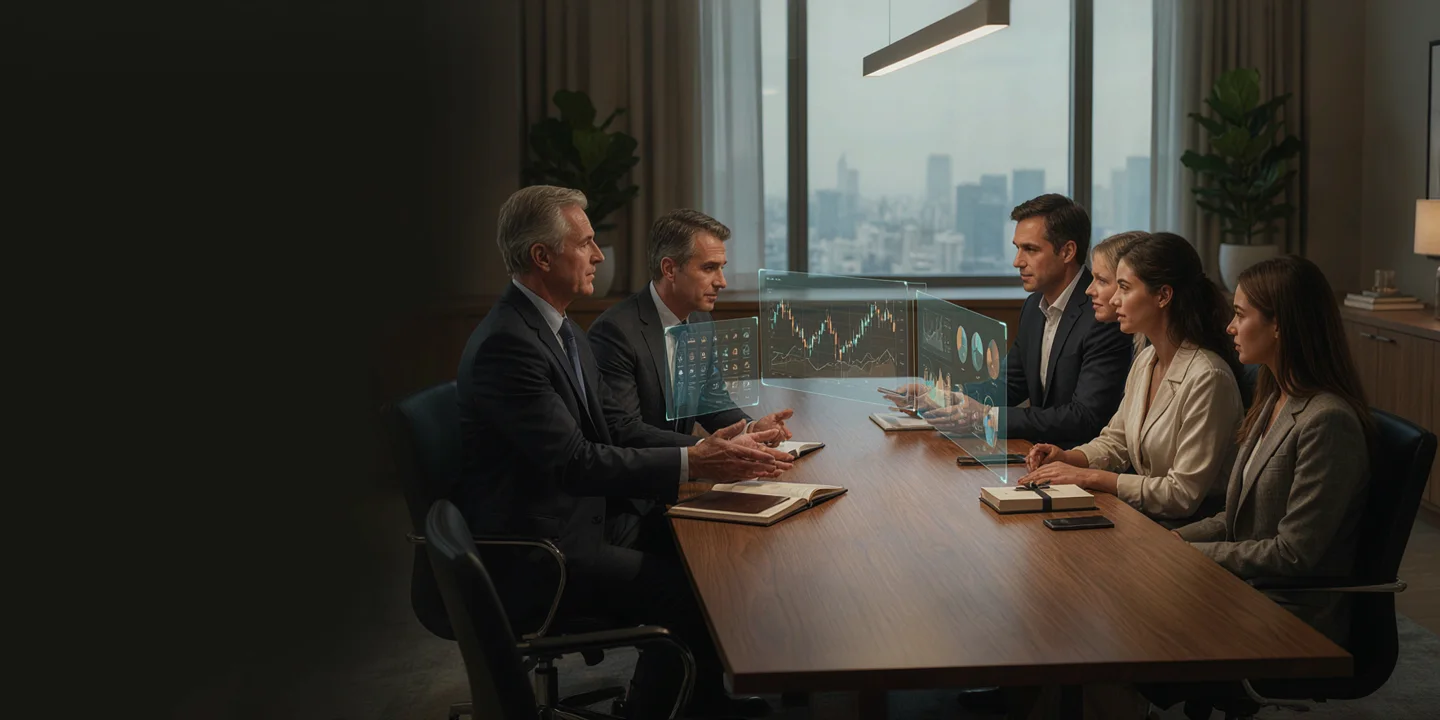




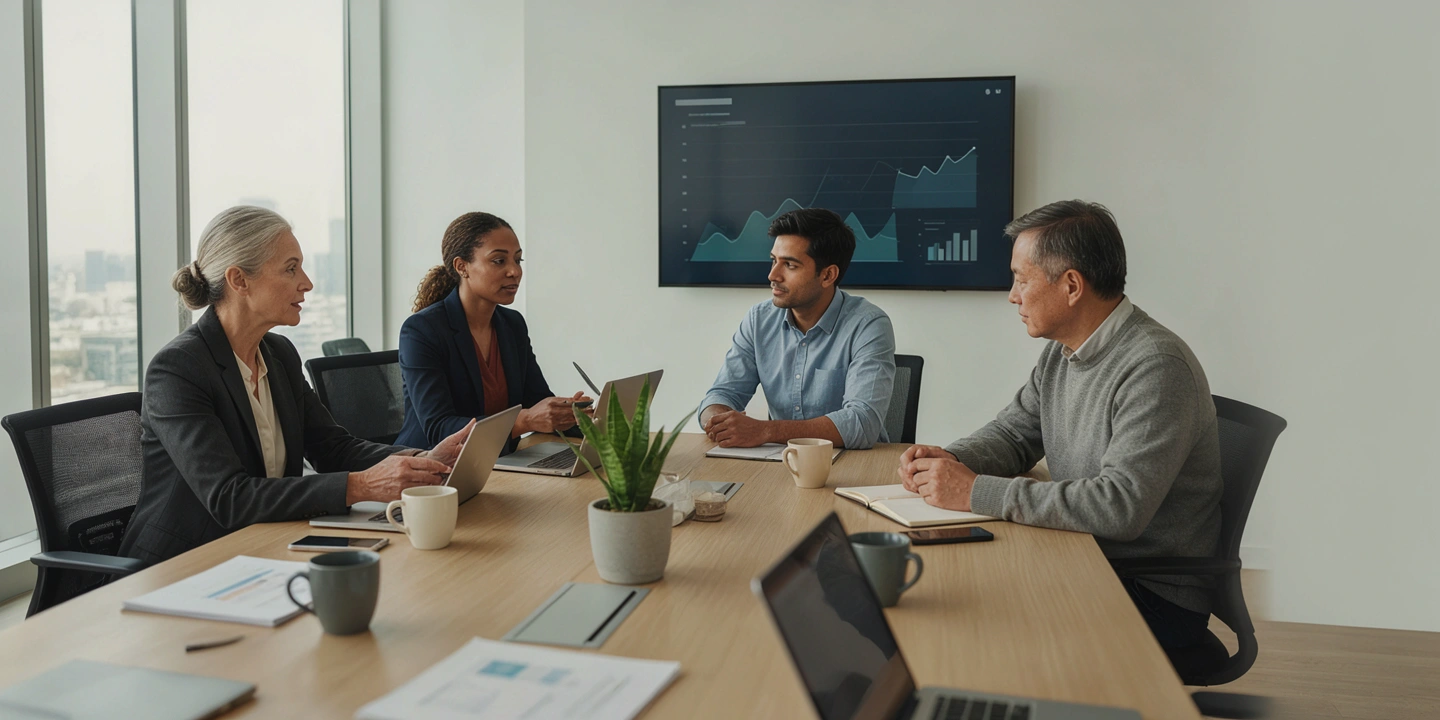
Workplaces today bring together employees with different experiences, expectations, communication preferences, and approaches to work. As people remain active in the workforce for longer and younger professionals enter business environments, organizations increasingly need strategies that support employees at different stages of their careers.
Managing multigenerational workforces is therefore becoming an important part of modern talent management. Instead of assuming that employees from different age groups want the same workplace experience, companies are looking for ways to create an environment where different perspectives can contribute to business performance.
At the same time, technology is changing how employees communicate, collaborate, learn, and complete their responsibilities. Consequently, businesses need workforce strategies that balance technological change with the human needs of their employees.
Understanding Different Generational Expectations
Every employee has individual preferences, so generational differences should not be treated as fixed rules. Nevertheless, broader workforce research often highlights differences in areas such as communication, career development, flexibility, recognition, and technology adoption.
For example, some experienced professionals may bring extensive industry knowledge and organizational understanding, while younger employees may contribute familiarity with emerging digital tools and changing consumer expectations. Meanwhile, employees in the middle stages of their careers can often provide valuable connections between institutional knowledge and newer ways of working.
Therefore, companies managing multigenerational workforces can benefit from focusing on individual strengths rather than relying on assumptions about age.
Building Flexible Workplace Policies
Flexibility has become an important consideration for employees across many career stages. However, the type of flexibility employees value can vary depending on their responsibilities, roles, and personal circumstances.
Organizations can respond by creating flexible policies that focus on business requirements while giving employees reasonable choices in how they work. Hybrid arrangements, flexible scheduling, remote collaboration, and personalized working practices can help organizations support different employee needs.
Moreover, flexibility can become more effective when managers clearly communicate expectations. Employees are more likely to benefit from flexible arrangements when responsibilities, performance goals, and communication practices remain clear.
Creating Stronger Knowledge Sharing
One of the most valuable opportunities within multigenerational workforces is knowledge sharing. Experienced employees often possess institutional knowledge that may not exist in formal documentation. At the same time, newer employees can introduce fresh perspectives, emerging technologies, and changing market insights.
Companies can encourage this exchange through mentoring, collaborative projects, peer learning, and cross functional teams. As a result, knowledge sharing becomes a two way process rather than a traditional senior to junior relationship.
This approach can also strengthen employee connections. Furthermore, it can help organizations reduce knowledge gaps when experienced employees move into new roles or eventually leave the workforce.
Using Technology Without Creating Divides
Technology plays an increasingly important role in workplace productivity. However, introducing new platforms without adequate support can create unnecessary frustration for employees who have different levels of digital experience.
For that reason, businesses should combine technology adoption with practical training and accessible support. Clear demonstrations, learning resources, and peer assistance can make new systems easier to understand.
In addition, organizations should evaluate whether technology genuinely improves the employee experience. The objective should not simply be to introduce more digital tools. Instead, technology should help employees communicate, collaborate, learn, and complete their work more effectively.
These developments also connect with broader Technology insights and IT industry news, where workplace technology continues to influence organizational structures and employee expectations.
Rethinking Leadership and Communication
Effective leadership is especially important when organizations manage multigenerational workforces. Managers need to recognize that employees may prefer different communication styles while maintaining consistent expectations across teams.
For instance, some employees may prefer detailed conversations, while others may respond well to concise digital communication. Therefore, managers can use a combination of meetings, written updates, collaborative platforms, and individual conversations.
Likewise, leadership development should focus on communication, empathy, adaptability, and conflict management. When managers understand individual working preferences, they can create stronger relationships without creating unnecessary divisions between age groups.
Supporting Career Growth at Every Stage
Career development should not be limited to younger employees. Professionals at different stages of their careers can benefit from learning opportunities, leadership development, new responsibilities, and opportunities to contribute in meaningful ways.
Companies can strengthen their talent strategy by providing development pathways that reflect individual career goals. Some employees may want leadership opportunities, while others may prefer specialist roles or opportunities to mentor colleagues.
Consequently, organizations managing multigenerational workforces can create more inclusive career experiences by making development available throughout the employee lifecycle.
This approach also connects with HR trends and insights because talent leaders are increasingly examining how career development, employee engagement, and workforce planning influence long term business performance.
Turning Generational Differences Into Collaboration
Generational diversity can create different perspectives within the same organization. When managed effectively, those differences can encourage employees to challenge assumptions, exchange knowledge, and approach business problems from different viewpoints.
However, collaboration does not happen automatically. Companies need to create opportunities for employees to work together around shared objectives. Cross generational projects, mentoring relationships, team workshops, and knowledge sharing sessions can encourage stronger connections.
Similarly, leaders can establish common goals that bring employees together. When teams focus on shared outcomes, differences in working preferences become easier to manage.
Measuring the Employee Experience
Organizations should also use employee feedback to understand whether their workplace practices are meeting the needs of different groups. Employee surveys, engagement discussions, retention data, and manager feedback can provide useful insights.
Rather than making assumptions based on age, companies can use these insights to understand what employees actually need. This creates a more evidence based approach to talent management.
Furthermore, workforce insights can complement Finance industry updates, Sales strategies and research, and Marketing trends analysis because employee capabilities ultimately influence how organizations execute business strategies across functions.
Valuable Insights for Building a Stronger Workforce
Companies managing multigenerational workforces should begin by understanding employees as individuals rather than defining them primarily by their generation. Flexible policies, continuous learning, knowledge sharing, supportive leadership, and accessible technology can create a workplace where different experiences complement one another.
The most effective approach is to build common goals while allowing reasonable differences in communication, development, and working preferences. In addition, managers should regularly collect employee feedback and adjust workplace practices as business and workforce expectations evolve.
As a result, organizations can create a more connected workforce while preserving the experience, knowledge, creativity, and digital capabilities that employees bring at different stages of their careers.
BusinessInfoPro delivers practical perspectives on business transformation, workforce strategy, and emerging industry developments.