






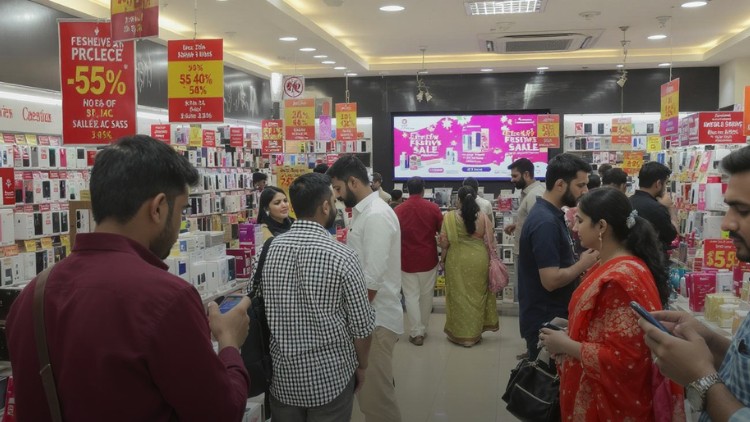
India’s festive season has traditionally been a golden period for smartphone brands, retailers, and e-commerce platforms. From Navratri to Diwali, consumers typically rush to upgrade their devices, taking advantage of attractive discounts, exchange offers, and cashback deals. However, the 2025 festive season has delivered an unexpected surprise. Despite aggressive promotions and early sales campaigns, smartphone sales have remained significantly weaker than anticipated.
The slowdown is prompting industry experts to reassess consumer behavior, market dynamics, and the future growth strategy of India’s smartphone ecosystem.
Festive Season Fails to Deliver Expected Smartphone Growth
For years, the festive season has been synonymous with record-breaking smartphone sales. Leading brands such as Samsung, Xiaomi, Vivo, Realme, OnePlus, and Apple have historically experienced strong demand during this period. This year, however, the market has taken a different turn.
Industry reports indicate that smartphone sales have declined by approximately 15% to 20% compared to the same festive period last year. Retailers across both online and offline channels are witnessing slower demand despite extensive promotional campaigns and attractive financing options.
Many e-commerce platforms launched festive sales earlier than usual in an effort to stimulate demand. While initial traffic appeared promising, consumer enthusiasm quickly faded, leaving retailers with larger-than-expected inventories and lower sales conversions.
Inflation and Economic Pressures Impact Consumer Spending
One of the primary reasons behind weak smartphone sales is the pressure on household finances. Although India’s economy continues to grow, rising food prices, increased living costs, and higher interest rates have affected consumer purchasing power.
As a result, many households are prioritizing essential expenses over discretionary purchases such as smartphones and consumer electronics. Consumers are becoming increasingly cautious with spending, focusing on long-term value rather than impulse purchases.
Another important factor is the extension of smartphone replacement cycles. A few years ago, users commonly upgraded their devices every 18 to 24 months. Today, many consumers are keeping their smartphones for three years or longer. Improved device durability and incremental technological improvements have reduced the urgency to upgrade frequently.
Early Discounts No Longer Create Urgency
To boost festive demand, major online retailers introduced discounts weeks before the traditional shopping season. Flash sales, bank offers, exchange bonuses, and no-cost EMI schemes became available much earlier than usual.
However, consumers have become more strategic and price-conscious. Rather than rushing to purchase during the first sale event, many shoppers are waiting for deeper discounts closer to Diwali. Others are choosing lower-priced devices instead of upgrading to premium or flagship smartphones.
The industry is also experiencing what analysts describe as “discount fatigue.” Continuous promotional events throughout the year have reduced the excitement once associated with festive sales. Consumers now expect discounts to be available almost year-round, making special offers less effective as purchase triggers.
Smartphone Brands Adopt a More Cautious Approach
Faced with slower demand, smartphone manufacturers are adjusting their market strategies. Instead of flooding the market with multiple product launches, many brands are taking a more measured approach.
Apple continues to generate demand through its latest iPhone lineup, but sales growth remains below initial expectations. Chinese smartphone manufacturers such as Xiaomi, Realme, and Vivo are increasingly focusing on affordable and mid-range segments to appeal to budget-conscious consumers.
Samsung has shifted its emphasis toward value-added offerings, including exchange programs, extended warranties, and bundled benefits, rather than relying solely on aggressive price cuts.
Offline retailers are also facing challenges, particularly in metropolitan markets where store footfall has declined. At the same time, smaller cities and semi-urban regions continue to contribute steady demand, driven largely by first-time smartphone buyers and consumers upgrading to affordable 5G devices.
The 5G Upgrade Wave Begins to Slow
The nationwide rollout of 5G networks previously acted as a major catalyst for smartphone upgrades. Last year, consumers eagerly purchased 5G-enabled devices to take advantage of next-generation connectivity.
Today, that momentum has largely stabilized. Most smartphones in the mid-range category already support 5G, making the technology less of a differentiating factor. Furthermore, many consumers have yet to experience compelling benefits that justify upgrading solely for 5G access.
In several regions, particularly rural areas, 5G coverage remains limited. For many users, existing 4G smartphones continue to meet everyday needs, reducing the motivation to purchase a new device.
Refurbished Smartphones Gain Popularity
The rapid growth of India’s refurbished smartphone market is creating additional pressure on new device sales. Certified pre-owned smartphones are increasingly appealing to consumers seeking premium features at significantly lower prices.
Refurbished flagship models often provide better value than newly launched budget smartphones. As quality standards improve and warranty programs become more reliable, consumers are gaining confidence in the refurbished device segment.
This trend is particularly popular among younger buyers, students, and urban professionals looking for cost-effective alternatives without compromising performance.
Retailers Face Inventory Challenges
Weak smartphone sales are creating inventory management challenges across the retail ecosystem. Many stores are carrying excess stock and experiencing pressure on profit margins.
To stimulate demand, retailers are introducing bundled offers that include accessories, cashback incentives, extended warranties, and flexible financing plans. Despite these efforts, sales remain below expectations in several key markets.
E-commerce platforms face similar concerns. Unsold inventory from previous quarters is forcing some companies to increase discounting activity and revise future demand forecasts. Industry analysts believe many brands may become more conservative with production planning as they prepare for upcoming product launches.
Consumer Priorities Are Evolving
Perhaps the most important development emerging from this festive season is the changing mindset of Indian consumers.
Since the pandemic, many households have become more focused on financial security, savings, and meaningful spending. Rather than upgrading devices frequently, consumers are evaluating purchases more carefully and seeking long-term value.
Environmental awareness is also influencing buying decisions. Growing concerns about electronic waste and sustainability are encouraging consumers to extend the lifespan of existing devices whenever possible.
In the premium segment, buyers increasingly prefer smartphones that offer durability, long software support cycles, repairability, and long-term reliability. This shift challenges the traditional smartphone industry model, which has historically relied on frequent upgrades and rapid product refresh cycles.
What Lies Ahead for India’s Smartphone Market?
Despite the current slowdown, industry experts remain cautiously optimistic about the medium-term outlook for smartphone sales. As inflation stabilizes and consumer confidence improves, demand is expected to gradually recover.
Future growth will likely depend on meaningful innovation rather than aggressive discounting. Smartphone brands that successfully integrate artificial intelligence, deliver longer software support, improve battery performance, and embrace sustainable manufacturing practices may gain a competitive advantage.
The broader integration of smartphones with wearables, smart home devices, connected vehicles, and digital ecosystems could also create new reasons for consumers to upgrade in the coming years.
The festive season slowdown serves as an important reminder that India’s smartphone market is maturing. Consumers are becoming more informed, selective, and value-conscious. Discounts and promotional campaigns alone are no longer enough to drive large-scale purchasing behavior.
For smartphone manufacturers and retailers, the path forward will require a deeper understanding of consumer expectations, stronger value propositions, and innovation that delivers tangible everyday benefits. As market dynamics continue to evolve, companies that prioritize long-term customer trust and meaningful technological advancement will be best positioned for future growth.
As smartphone sales continue to evolve in 2025 and beyond, businesses must stay ahead of changing market trends. Leverage AI-powered insights, advanced market intelligence, and data-driven decision-making with Businessinfopro to navigate the rapidly transforming technology landscape and identify new growth opportunities.