






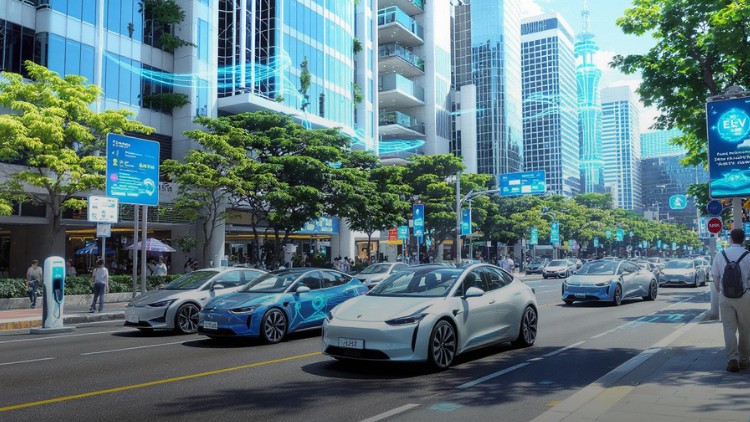
The electric vehicle (EV) revolution is no longer a future possibility—it is happening right now. As countries accelerate their transition toward sustainable transportation and cleaner energy, Plug-in Electric Vehicles (Plug-in EVs) are emerging as a dominant force in the global automotive industry. Industry forecasts suggest that Plug-in EVs could account for nearly 25% of total global vehicle sales by 2025, marking a major milestone in the shift toward electrified mobility.
This remarkable growth reflects more than changing consumer preferences. It signals a broader transformation where transportation, energy, technology, and sustainability are increasingly interconnected. From advancements in battery technology to government incentives and expanding charging networks, multiple factors are driving the rapid adoption of Plug-in EVs worldwide.
The Global Rise of Plug-in EVs
The automotive industry is experiencing one of the most significant transitions in its history. As governments and businesses work to reduce carbon emissions and meet climate goals, Plug-in EVs—including Battery Electric Vehicles (BEVs) and Plug-in Hybrid Electric Vehicles (PHEVs)—are becoming central to future mobility strategies.
Between 2020 and 2024, global Plug-in EV sales increased dramatically. Falling battery costs, improved vehicle performance, stronger environmental awareness, and favorable government policies have all contributed to this surge. By 2025, analysts expect approximately one out of every four vehicles sold globally to be a Plug-in EV, highlighting the growing mainstream acceptance of electric transportation.
While developed markets continue to lead adoption, emerging economies are also gaining momentum. Countries such as India, Brazil, and several Southeast Asian nations are investing heavily in EV infrastructure and manufacturing, creating new opportunities for growth.
Key Factors Fueling the Plug-in EV Boom
Government Support and Policy Initiatives
Government policies remain one of the strongest drivers of EV adoption. Around the world, authorities are introducing tax credits, subsidies, purchase incentives, and stricter emissions regulations to encourage consumers and businesses to transition to electric mobility.
Initiatives such as the European Union’s Green Deal and the United States’ Inflation Reduction Act demonstrate how strategic policymaking can accelerate EV adoption while supporting broader sustainability objectives.
Breakthroughs in Battery Technology
Battery innovation continues to reshape the economics of electric vehicles. Over the past decade, lithium-ion battery costs have fallen significantly while energy density and performance have improved.
Emerging technologies, including solid-state batteries, promise even longer driving ranges, faster charging times, and enhanced safety. These advancements are helping address concerns related to range anxiety and overall vehicle affordability.
Expansion of Charging Infrastructure
A reliable charging network is essential for widespread EV adoption. Governments, utilities, and private companies are rapidly deploying charging stations across highways, cities, workplaces, and residential communities.
The growth of fast-charging technology, combined with smart grid integration and renewable energy sources, is making EV ownership more practical and convenient than ever before.
Changing Consumer Expectations
Modern consumers are increasingly prioritizing sustainability in their purchasing decisions. Beyond environmental benefits, Plug-in EVs offer several advantages, including lower operating costs, reduced maintenance requirements, instant acceleration, and a quieter driving experience.
Automakers are also introducing more stylish, technology-focused, and affordable electric models, expanding consumer choice across every vehicle segment.
Corporate Sustainability Goals
Businesses are playing an important role in accelerating EV adoption. Many organizations are transitioning their vehicle fleets to electric alternatives as part of broader Environmental, Social, and Governance (ESG) commitments.
From logistics providers and delivery companies to ride-sharing platforms, organizations recognize that Plug-in EVs can reduce operating costs while supporting sustainability targets and strengthening brand reputation.
Regional Leaders Driving EV Adoption
Europe: Setting the Standard
Europe remains one of the most advanced EV markets globally. Strong regulatory frameworks, generous incentives, and ambitious climate goals have encouraged rapid adoption.
Countries such as Norway, Germany, and the Netherlands continue to achieve record EV sales. Norway, in particular, has become a global benchmark, with electric vehicles accounting for the vast majority of new car purchases.
China: The Global EV Powerhouse
China continues to dominate the global Plug-in EV market. Strong government support, large-scale manufacturing capabilities, and an extensive charging infrastructure have positioned the country as a leader in electric mobility.
Companies such as BYD and NIO are expanding their influence both domestically and internationally, while ongoing innovation continues to strengthen China’s competitive advantage.
United States: Accelerating Growth
The U.S. EV market is experiencing rapid expansion. Tesla remains a major player, but traditional automakers including Ford, General Motors, and emerging companies such as Rivian are investing heavily in electric vehicle development.
Federal and state-level incentives are further encouraging consumers to adopt electric vehicles across the country.
Emerging Markets Gain Momentum
Emerging economies are increasingly becoming important contributors to global EV growth. India, for example, is advancing its EV ecosystem through initiatives such as the Faster Adoption and Manufacturing of Electric Vehicles (FAME) program and investments in local battery production.
As affordability improves and charging infrastructure expands, these markets are expected to play a significant role in future EV demand.
How Automakers Are Reinventing Their Strategies
The rise of Plug-in EVs has forced automotive manufacturers to rethink long-term business strategies. Nearly every major automaker now has a comprehensive electrification roadmap aimed at reducing dependence on internal combustion engine vehicles.
Manufacturers are investing billions of dollars into battery production facilities, software-defined vehicles, sustainable supply chains, and advanced manufacturing technologies. Companies such as Volkswagen, Hyundai, and other global automotive leaders are building dedicated EV ecosystems that extend from production and charging solutions to battery recycling.
Strategic partnerships between automakers, technology firms, and energy providers are also accelerating innovation and reshaping the future of transportation.
The Economic Impact of Plug-in EV Growth
The expansion of Plug-in EVs is creating ripple effects across multiple industries, generating new opportunities for investment, innovation, and employment.
The energy sector is experiencing increased demand for renewable electricity as EV charging becomes more widespread. Technology companies are leveraging artificial intelligence, IoT, and advanced analytics to optimize charging infrastructure and vehicle performance.
Manufacturing industries are adapting supply chains to support battery production, critical mineral sourcing, and sustainable materials development. At the same time, millions of new jobs are emerging in engineering, software development, renewable energy, and EV infrastructure.
This broad economic impact highlights how electric mobility is becoming a catalyst for wider industrial transformation.
Challenges That Still Need Attention
Despite the positive outlook, several challenges remain. Charging accessibility in rural and underserved regions continues to require investment. Power grids must be upgraded to support increasing electricity demand, while battery recycling and sustainable material sourcing remain critical priorities.
Affordability also remains a concern in many developing markets, where upfront vehicle costs can limit adoption. However, ongoing technological advancements, economies of scale, and supportive government policies are gradually addressing these barriers.
Continued collaboration among governments, automakers, energy providers, and consumers will be essential to ensuring long-term success.
The Road Ahead for Electric Mobility
The prediction that Plug-in EVs could represent nearly 25% of global vehicle sales by 2025 reflects the accelerating pace of transportation transformation. As innovation continues to improve battery performance, charging accessibility, and vehicle affordability, electric mobility is moving from a niche market to a mainstream reality.
The transition to Plug-in EVs represents more than a change in vehicle technology—it signifies a broader shift toward a cleaner, smarter, and more sustainable future. Organizations, governments, and consumers that embrace this transition today will be better positioned to thrive in tomorrow’s mobility ecosystem.
As Plug-in EVs continue to reshape transportation, energy, and sustainability worldwide, staying informed about the latest developments is essential. Explore more industry insights, technology trends, and business updates shaping the future of electric mobility at Businessinfopro.