




Modern businesses operate in highly competitive markets where customer expectations continue to rise. Companies are expected to deliver products quickly, maintain accurate stock levels, and provide seamless purchasing experiences. As organizations expand, managing orders and inventory manually becomes increasingly difficult. Consequently, many enterprises are turning to digital platforms that centralize operations and improve visibility across the supply chain.
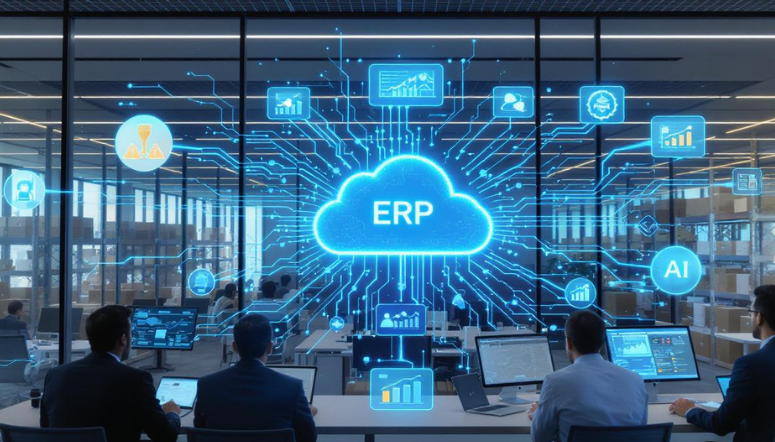
A well designed ERP portal offers a practical solution by connecting customers, distributors, suppliers, and internal teams through a unified system. One notable example is Heineken, which leveraged an ERP powered portal to strengthen operational efficiency and enhance inventory control across its network.
How Digital Transformation Supported Heineken’s Growth
As a global beverage company, Heineken manages extensive distribution channels and a large volume of orders every day. Handling these transactions through disconnected systems can lead to delays, inventory inaccuracies, and communication challenges. Therefore, the company sought a more integrated approach to streamline business processes.
By implementing an ERP portal, Heineken created a centralized environment where stakeholders could access real time information. This digital transformation reduced reliance on manual processes and improved collaboration across multiple departments. At the same time, it enabled better decision making through greater visibility into operational data.
The initiative also reflects broader Technology insights that demonstrate how connected business systems can drive efficiency while supporting long term growth.
Enhancing Order Accuracy Through an ERP Portal
One of the most significant benefits of the new platform was improved order management. Before digital integration, processing large volumes of orders often required multiple touchpoints and manual verification steps. As a result, errors could occur during order entry and fulfillment.
With the ERP portal in place, customers gained direct access to place and track orders through a centralized interface. Information flowed automatically into backend systems, reducing duplicate entries and minimizing mistakes. Furthermore, real time validation ensured that order details remained accurate throughout the process.
Because data moved seamlessly between departments, teams could respond more quickly to customer requests. Consequently, order fulfillment became faster and more reliable.
Real Time Inventory Visibility Improved Efficiency
Inventory management remains one of the most critical aspects of supply chain operations. Without accurate stock information, businesses risk overstocking, stock shortages, and delayed deliveries. Therefore, maintaining visibility across inventory locations is essential.
The ERP portal provided real time access to inventory data, allowing stakeholders to monitor product availability instantly. This transparency helped teams align inventory levels with demand forecasts while reducing unnecessary stock accumulation.
Moreover, managers could identify potential supply chain issues earlier and take corrective action before disruptions affected customers. As a result, inventory planning became more strategic and data driven.
These improvements align closely with current Finance industry updates that emphasize operational efficiency and cost optimization as key drivers of profitability.
Better Customer Experiences Through Self Service Capabilities
Customer expectations continue to evolve, particularly in industries with complex distribution networks. Businesses must provide convenient access to information while maintaining high service standards.
Through the ERP portal, Heineken enabled customers to view order status, track shipments, and access account information independently. Consequently, customer service teams spent less time handling routine inquiries and more time addressing strategic needs.
In addition, customers benefited from greater transparency throughout the purchasing process. This enhanced experience strengthened business relationships and increased overall satisfaction.
Meanwhile, many organizations highlighted in IT industry news are adopting similar self service technologies to improve customer engagement and operational scalability.
Data Driven Decision Making Across the Organization
An ERP portal does more than automate transactions. It also serves as a valuable source of business intelligence. By consolidating information from multiple departments, organizations gain access to meaningful insights that support strategic planning.
Heineken’s integrated platform provided a comprehensive view of order trends, inventory performance, and customer behavior. Consequently, leaders could make informed decisions based on accurate and timely data.
Furthermore, predictive analytics helped identify future demand patterns, enabling more effective inventory planning and resource allocation. As businesses continue embracing digital transformation, data driven decision making remains a critical competitive advantage.
This trend mirrors ongoing Marketing trends analysis where companies increasingly rely on analytics to improve performance and customer engagement.
Strengthening Internal Collaboration
Operational success depends on effective communication between departments. However, disconnected systems often create information silos that limit visibility and slow decision making.
The ERP portal improved collaboration by providing a single source of truth for business data. Sales teams, warehouse managers, finance professionals, and customer service representatives could access consistent information in real time.
As a result, cross functional teams worked more efficiently and responded faster to changing business conditions. This approach also supports modern HR trends and insights that emphasize technology enabled collaboration and workforce productivity.
Why ERP Portals Continue to Deliver Business Value
Organizations across industries face increasing pressure to improve efficiency while maintaining exceptional customer experiences. ERP portals help address these challenges by connecting critical business functions through a unified platform.
The Heineken example demonstrates how digital integration can improve order accuracy, strengthen inventory management, enhance customer satisfaction, and support strategic growth. Furthermore, real time visibility enables organizations to adapt quickly to market changes while reducing operational risks.
Businesses that invest in connected systems often discover additional benefits over time, including improved forecasting, stronger compliance, and greater scalability.
Practical Insights for Businesses Considering ERP Portals
Companies exploring ERP portal solutions should begin by identifying operational bottlenecks that affect order processing and inventory visibility. Next, they should evaluate how data flows between departments and determine where automation can create measurable value.
Additionally, focusing on user experience is essential. Employees, customers, and partners are more likely to adopt digital platforms when they are intuitive and easy to navigate. Equally important is ensuring that real time reporting capabilities are available to support informed decision making.
Finally, organizations should view ERP implementation as a long term transformation initiative rather than a standalone technology project. When combined with effective change management and continuous improvement efforts, ERP portals can become a powerful foundation for sustainable growth and operational excellence.
Connect with BusinessInfoPro today to explore expert perspectives on business innovation, technology adoption, and enterprise growth.
Stay informed with trusted industry knowledge that helps your organization make smarter decisions and achieve lasting success.