



Massive Labor Force Loss Ahead What Employers Must Do
The global workforce is entering a period of major transformation. Companies across industries are already experiencing hiring difficulties, rising employee turnover, and growing skill shortages. As a result, businesses are beginning to realize that a massive labor force loss is no longer a distant concern. Instead, it is becoming a reality that demands immediate attention.
Several factors are driving this shift. Aging populations, changing employee expectations, economic uncertainty, and rapid digital transformation are reshaping the employment landscape. At the same time, workers are prioritizing flexibility, purpose driven careers, and healthier work environments. Consequently, employers must adapt quickly if they want to remain competitive in a changing economy.
Business leaders who stay informed through technology insights and HR trends and insights are more likely to create sustainable workforce strategies. Moreover, companies that embrace innovation and employee focused cultures can position themselves ahead of competitors facing labor shortages.
Why Labor Force Loss Is Becoming a Serious Business Challenge
The workforce is shrinking in several sectors because experienced professionals are retiring faster than younger talent can replace them. Furthermore, industries such as healthcare, manufacturing, finance, and technology are struggling to fill highly specialized roles.
Another important factor is the rise of employee burnout. Many professionals are reevaluating work life balance and choosing remote work, freelance careers, or even career breaks. Therefore, traditional hiring methods are no longer enough to attract and retain skilled employees.
Recent IT industry news also highlights how automation and artificial intelligence are changing job requirements. While technology creates new opportunities, it also increases the demand for advanced digital skills. Consequently, employers must focus on workforce development rather than relying solely on external recruitment.
Building a Strong Workplace Culture
A strong company culture has become one of the most effective solutions for reducing employee turnover. Workers today want to feel valued, respected, and connected to their organizations. In addition, they expect employers to support career growth and personal wellbeing.
Companies that encourage open communication and flexible work arrangements often experience higher employee satisfaction. Similarly, organizations that invest in diversity and inclusion build stronger teams and improve long term retention.
Employers should also recognize employee contributions more consistently. Even simple appreciation initiatives can strengthen workplace morale and increase loyalty. As HR trends and insights continue to evolve, businesses that focus on employee experience will gain a clear advantage in attracting top talent.
Investing in Skills and Workforce Development
The labor market is changing rapidly because technology continues to reshape industries. For this reason, businesses must prioritize employee training and continuous learning programs.
Upskilling employees allows companies to fill internal skill gaps while improving workforce confidence and productivity. Meanwhile, reskilling programs help workers transition into new roles created by digital transformation.
Organizations that follow technology insights understand that workforce development is no longer optional. Instead, it is a strategic investment that supports long term growth. Employers should provide access to online courses, mentorship opportunities, and practical learning experiences to prepare teams for future challenges.
Using Technology to Improve Workforce Efficiency
Technology is becoming a critical tool for managing labor shortages. Automation can streamline repetitive tasks, allowing employees to focus on higher value responsibilities. As a result, businesses can improve efficiency without overburdening their workforce.
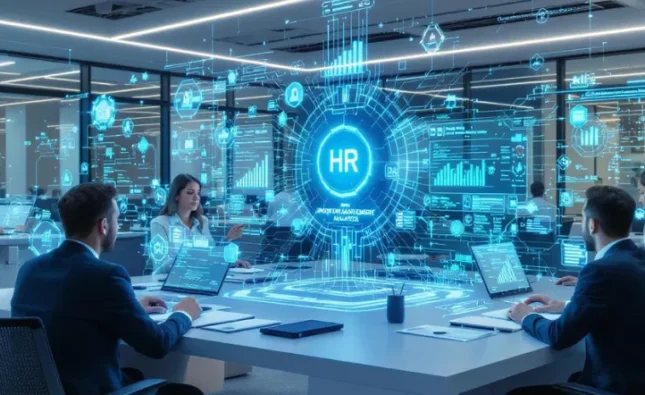
Artificial intelligence is also transforming recruitment and workforce planning. Companies can now analyze hiring trends, predict staffing needs, and identify skill gaps more accurately. Additionally, remote collaboration tools are helping organizations build flexible work environments that attract modern professionals.
Many finance industry updates show how digital transformation is improving productivity across global businesses. Employers who integrate smart technology solutions can reduce operational pressure while maintaining workforce stability.
Rethinking Recruitment Strategies
Traditional hiring models are becoming less effective in today’s competitive labor market. Therefore, companies must adopt more flexible recruitment strategies to attract qualified professionals.
Employers should focus on building strong employer brands through authentic communication and employee success stories. Likewise, businesses can expand hiring opportunities by considering remote talent and international professionals.
Companies that apply modern sales strategies and research often use data driven recruitment methods to improve hiring outcomes. By understanding candidate behavior and workforce expectations, employers can create more targeted and successful recruitment campaigns.
Furthermore, businesses should simplify hiring processes. Long application procedures and delayed communication frequently discourage skilled candidates from accepting opportunities.
The Role of Leadership During Workforce Change
Strong leadership is essential during periods of workforce uncertainty. Employees look to leadership teams for stability, transparency, and direction. Consequently, companies that communicate clearly during organizational changes build greater employee trust.
Leaders should also remain adaptable as workforce expectations continue to evolve. Businesses that encourage innovation and collaboration are better prepared for future labor market disruptions.
In addition, marketing trends analysis shows that companies with positive public reputations attract stronger talent pools. Leadership behavior directly influences employer reputation, workplace culture, and employee retention.
Valuable Insights for Employers Preparing for Workforce Challenges
Businesses that prepare early for labor force changes will have a significant advantage in the coming years. Employers should focus on employee wellbeing, workforce flexibility, and continuous learning to remain competitive. At the same time, adopting advanced technology and modern recruitment strategies can help organizations manage talent shortages more effectively.
Companies that combine technology insights with practical HR trends and insights are more likely to build resilient teams. Moreover, staying updated with IT industry news, finance industry updates, sales strategies and research, and marketing trends analysis can help decision makers respond faster to changing workforce conditions.
Business success will increasingly depend on how well organizations support employees while adapting to economic and technological transformation.
BusinessInfoPro helps organizations stay informed with expert industry coverage, workforce insights, and business intelligence. Connect with BusinessInfoPro today to discover smarter strategies for navigating the future of work.
Source : hrdive.com