

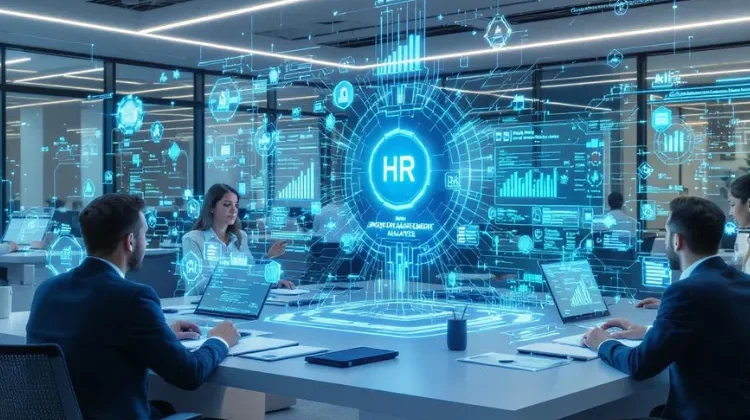




The Intelligence Advantage of Data and AI in HR
Modern workplaces are evolving faster than ever, and human resources teams are expected to keep pace with changing employee expectations, digital transformation, and workforce planning. As businesses continue to modernize operations, the intelligence advantage of data and AI in HR is becoming a major factor in building smarter and more productive organizations.
Today, HR departments are no longer limited to recruitment and administrative functions. Instead, they are becoming strategic decision makers that rely on data driven insights to improve employee engagement, retention, learning, and workplace culture. At the same time, artificial intelligence is helping HR teams simplify repetitive tasks while delivering more personalized employee experiences.
As organizations seek stronger business outcomes, combining data with AI is creating a new era of intelligent human resource management.
How AI Is Transforming Human Resource Operations
Artificial intelligence is changing the way HR professionals interact with employees and manage talent. From automated resume screening to predictive workforce analysis, AI allows companies to process large volumes of information quickly and accurately.
For example, recruitment teams can now identify qualified candidates faster by using intelligent systems that analyze skills, experience, and job compatibility. Consequently, hiring managers save valuable time while improving the quality of recruitment decisions.
In addition, AI powered chat systems help employees receive immediate support for routine HR queries. This improves response times and creates a smoother workplace experience. As a result, HR professionals can focus more on employee development and strategic planning rather than repetitive administrative work.
Moreover, businesses using AI based HR platforms are gaining deeper technology insights that support long term workforce planning and operational efficiency.
The Role of Data in Employee Empowerment
Data has become one of the most valuable assets in modern organizations. HR teams now collect and analyze workforce information to understand employee behavior, performance trends, and engagement levels more effectively.
When companies use workforce analytics responsibly, they can identify challenges before they become serious problems. For instance, employee feedback data may reveal declining engagement in certain departments. HR leaders can then introduce targeted improvements that strengthen communication and workplace satisfaction.
Furthermore, data driven decision making helps organizations create personalized learning opportunities for employees. Rather than using generic training programs, businesses can recommend skill development initiatives based on individual performance and career goals.
This shift not only improves employee growth but also helps companies remain competitive in an environment shaped by rapid HR trends and insights.
Improving Workplace Experience Through Intelligent Systems
Employee experience has become a critical focus for businesses worldwide. Workers expect flexibility, transparency, and meaningful professional growth. Therefore, organizations are using intelligent systems to better understand employee expectations and create more supportive work environments.
AI driven platforms can analyze workplace sentiment through surveys, communication patterns, and feedback channels. Consequently, HR teams gain a clearer understanding of employee morale and organizational culture.
At the same time, predictive analytics can help identify employees who may be at risk of burnout or disengagement. Early intervention strategies such as wellness initiatives, mentorship programs, or flexible work policies can then be implemented effectively.
In many industries, this approach is reshaping workplace management while also influencing broader IT industry news related to digital transformation and enterprise productivity.
Data Security and Ethical AI in HR
Although AI and data offer significant advantages, organizations must also address ethical concerns and data privacy challenges. Employees expect transparency regarding how their information is collected and used.
As a result, responsible HR departments are implementing strict governance policies for data protection and AI usage. Clear communication regarding privacy standards helps build employee trust and strengthens organizational credibility.
Additionally, businesses should regularly evaluate AI systems to avoid bias in recruitment, promotions, and performance analysis. Ethical implementation ensures that intelligent technologies support fairness and diversity across the workplace.
Companies that balance innovation with responsible practices are more likely to build sustainable employee relationships and stronger long term performance.
The Business Impact of Intelligent HR Strategies
The intelligence advantage of data and AI in HR extends far beyond operational efficiency. Organizations that embrace intelligent HR strategies often experience stronger collaboration, improved productivity, and better talent retention.
For example, workforce analytics can help leadership teams align employee capabilities with business goals more effectively. This creates stronger operational planning and supports sustainable growth across departments.
Moreover, HR intelligence contributes to broader business functions including finance industry updates, sales strategies and research, and marketing trends analysis. Employee performance data often provides valuable insights into customer engagement, innovation, and overall business success.
As industries continue adapting to digital transformation, companies that invest in intelligent HR systems are positioning themselves for long term competitiveness.
Valuable Insights for Future Ready HR Teams
Businesses preparing for the future should focus on combining technology with human centered leadership. AI should support employees rather than replace meaningful workplace interactions. Organizations that successfully integrate intelligent systems with empathy and transparency are likely to achieve stronger employee trust and engagement.
At the same time, continuous learning will remain essential. HR professionals who stay informed about emerging technology insights and evolving workforce expectations will be better equipped to lead organizational transformation effectively.
Data and AI are not simply operational tools anymore. They are becoming strategic assets that help businesses create more adaptive, productive, and employee focused workplaces.
BusinessInfoPro delivers expert insights that help organizations stay ahead in a rapidly changing digital economy. Connect with our team to explore smarter strategies for business growth, workforce innovation, and industry leadership.
Source : hr-brew.com