





Changing Weather Patterns Reshape Consumer Spending
Retailers and businesses across multiple sectors are witnessing slower than expected seasonal demand as unusual weather conditions continue to influence consumer behavior. While summer is traditionally associated with rising shopping activity, this year has brought inconsistent purchasing trends that are affecting industries ranging from fashion and travel to electronics and outdoor products.
Many analysts believe the slowdown is temporary. Even so, businesses are adjusting forecasts and revisiting their sales strategies and research to prepare for a delayed wave of consumer demand. Market experts suggest that once weather conditions stabilize, shoppers are likely to return with stronger buying intent during the later part of the season.
At the same time, brands are carefully monitoring customer engagement patterns. As a result, companies are using technology insights to track regional demand changes and improve inventory planning. This shift highlights how businesses are relying more heavily on data driven decision making in uncertain market conditions.
Retail and Consumer Brands Face Seasonal Pressure
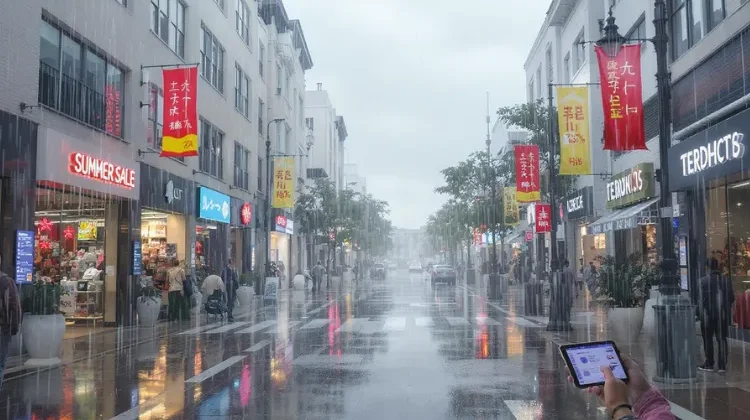
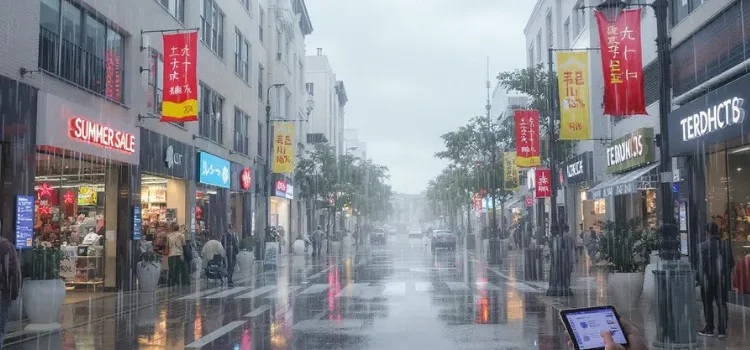
Several consumer focused industries expected a strong start to summer sales. However, unexpected rainfall, cooler temperatures, and climate disruptions reduced foot traffic in many regions. Fashion retailers especially reported lower demand for seasonal apparel as customers delayed purchases waiting for more predictable weather.
In addition, outdoor recreation companies and travel operators have also experienced slower booking trends. Nevertheless, businesses remain optimistic because historical market behavior often shows delayed demand recovering later in the season.
Experts in marketing trends analysis explain that customer sentiment has not disappeared. Instead, purchasing decisions have simply been postponed. Consequently, many brands are now increasing promotional campaigns and personalized digital outreach to maintain customer interest until demand rebounds.
Furthermore, online retailers are adapting quickly by launching flexible discounts and location based campaigns. This approach helps businesses remain competitive while encouraging consumers to make purchases despite changing weather conditions.
Industries Turn to Data and Forecasting Tools
Businesses are increasingly investing in advanced forecasting systems to manage uncertain seasonal demand. Modern analytics platforms allow retailers to study regional climate patterns alongside customer purchasing behavior. Because of this, companies can respond faster to market changes and avoid unnecessary inventory buildup.
Technology insights continue to play an important role in helping organizations understand shifting sales cycles. Artificial intelligence driven forecasting tools are enabling brands to optimize pricing, supply chains, and customer engagement strategies more effectively than before.
At the same time, finance industry updates indicate that investors remain cautious about short term retail performance. However, analysts still expect stronger revenue growth in the second half of the season if weather conditions improve. This balanced outlook is encouraging businesses to remain flexible instead of making aggressive cost reductions.
Meanwhile, the latest IT industry news highlights how cloud based retail platforms are helping companies manage fluctuating demand with greater efficiency. Businesses that embrace digital transformation are often better prepared to adapt during unpredictable market cycles.
Workforce Planning Becomes More Important
The slower start to summer sales is also influencing workforce management decisions. Many retailers are adjusting temporary staffing schedules while waiting for stronger customer activity. According to recent HR trends and insights, businesses are focusing on flexible workforce planning to control operational costs without affecting service quality.
Companies are also investing in employee training programs that improve customer engagement during slower business periods. In many cases, frontline teams are being encouraged to strengthen personalized selling techniques and digital customer support skills.
Additionally, organizations are prioritizing internal communication and performance monitoring to maintain productivity during uncertain market conditions. This proactive approach helps businesses remain prepared for a potential late season sales surge.
Digital Commerce Continues to Support Recovery
Although physical retail traffic has slowed in some markets, ecommerce activity remains relatively stable. Consumers continue researching products online even when delaying purchases. Therefore, businesses are increasing investments in digital advertising and customer retention campaigns.
Marketing trends analysis shows that brands focusing on targeted promotions and localized messaging are experiencing stronger online engagement. Personalized recommendations, limited time offers, and social commerce campaigns are helping companies maintain visibility despite slower seasonal demand.
Moreover, businesses are recognizing the importance of omnichannel experiences. Customers now expect seamless interactions between physical stores, mobile platforms, and ecommerce websites. As a result, companies that improve convenience and digital accessibility are more likely to benefit when consumer confidence returns.
Market Expectations Point Toward Late Season Growth
Industry experts still believe that a late surge in consumer activity is highly possible. Seasonal buying patterns often shift when weather conditions interrupt early demand cycles. Therefore, businesses are preparing for increased shopping activity during the final months of summer.
Retailers are already adjusting inventory levels and marketing schedules to capture future demand opportunities. In addition, financial analysts expect stronger sales performance once weather patterns become more stable and consumer confidence improves.
Companies that remain adaptable during slower periods are often better positioned for recovery. Businesses using data analytics, flexible operations, and customer focused engagement strategies may gain a competitive advantage when market momentum returns.
Valuable Industry Insights for Business Leaders
Organizations facing seasonal uncertainty should focus on agility rather than aggressive cost cutting. Businesses that use technology insights and real time market data can respond faster to changing customer behavior while improving operational efficiency.
At the same time, integrating strong sales strategies and research into planning decisions can help companies identify emerging opportunities before competitors react. Combining digital innovation with workforce flexibility and customer focused marketing can strengthen long term resilience even during temporary slowdowns.
BusinessInfoPro delivers reliable coverage on IT industry news, finance industry updates, HR trends and insights, marketing trends analysis, and evolving business intelligence that helps organizations stay ahead in competitive markets.
Connect with BusinessInfoPro to explore deeper industry perspectives and discover actionable insights that support smarter business growth in a rapidly changing economy.
Source : thehindubusinessline.com