





Europe stands at a decisive moment where ambition and reality are no longer aligned. The trillion euro problem refers to the growing gap between what Europe needs to invest and what it is currently able to mobilize. From modern infrastructure to digital innovation and clean energy the pressure is building fast. While economic stability has improved since past crises investment momentum has not kept pace with global competitors. As a result the trillion euro problem is becoming one of the defining economic challenges of this decade.

Why the trillion euro problem keeps growing

Several structural factors are driving this imbalance. Public budgets remain constrained by fiscal rules and rising social spending. At the same time private capital often hesitates due to regulatory complexity and uneven returns across regions. Moreover Europe faces rising costs linked to aging populations and climate commitments. All these forces interact which makes the trillion euro problem harder to solve through isolated policy actions.

In addition global competition adds urgency. The United States and parts of Asia continue to deploy capital at scale especially in advanced manufacturing and digital platforms. Without matching investment Europe risks slower growth and reduced strategic autonomy.

Technology and digital infrastructure under pressure

One of the clearest signs of the trillion euro problem appears in technology investment. Europe has world class research capabilities yet struggles to scale innovation. Data centers cloud infrastructure and artificial intelligence adoption require long term funding and regulatory clarity. Technology insights from across the region show that fragmented markets still limit growth for digital firms.

At the same time IT industry news highlights growing demand for cybersecurity and resilient networks. These areas are essential for economic security. However without sufficient capital flows progress remains uneven across member states.

Workforce transformation and capital needs

Investment challenges extend beyond physical assets. Human capital requires sustained funding as well. HR trends and insights point to widening skills gaps particularly in digital and green roles. Reskilling programs and education reforms demand upfront investment with long term payoffs. Yet these returns are often undervalued in short term budget planning.

Therefore addressing the trillion euro problem also means recognizing people as a core investment asset. Without a future ready workforce even the best infrastructure will fall short of its potential.

Finance sector role in closing the gap

Finance industry updates show growing interest in sustainable finance and blended funding models. European banks and capital markets can play a stronger role by channeling savings into productive investment. However regulatory fragmentation still limits cross border flows. Capital markets integration remains a key lever that could unlock billions in private funding.

Public institutions also matter. Development banks and guarantee schemes help reduce risk and crowd in private investors. When aligned effectively these tools can ease the trillion euro problem without overburdening public finances.

Business growth and demand side momentum

Investment does not happen in isolation. Businesses invest when demand is visible and policy signals are clear. Sales strategies and research across European industries suggest that uncertainty around regulation and energy costs continues to delay expansion plans. Clear long term frameworks can therefore stimulate private investment organically.

Marketing trends analysis also reveals shifting consumer expectations toward sustainable and digital products. Companies that align with these trends are more likely to invest. This creates a virtuous cycle if supported by stable policy environments.

The strategic cost of inaction

Ignoring the trillion euro problem carries real consequences. Underinvestment slows productivity growth and limits innovation. Over time this reduces competitiveness and fiscal capacity. Europe then faces a tougher trade off between social stability and economic dynamism.

Furthermore geopolitical risks underline the need for resilience. Energy independence supply chain security and digital sovereignty all depend on sustained investment. The longer the gap persists the harder it becomes to close.

Practical insights for policymakers and business leaders

Solving the trillion euro problem requires coordinated action rather than isolated fixes. Policymakers can focus on simplifying regulations and accelerating project approvals to improve investor confidence. At the same time expanding public private partnerships can help scale critical projects faster.

Business leaders can engage more actively with financing ecosystems and align investment plans with long term societal goals. By integrating technology insights workforce development and sustainability into core strategies companies strengthen their case for capital allocation. Gradually these steps can narrow the investment gap and restore momentum.

Turning challenge into opportunity

The trillion euro problem is not only a risk but also an opportunity to rethink how Europe invests. By aligning finance innovation and talent development Europe can transform this challenge into a growth catalyst. Strategic clarity and collaboration will determine whether the continent leads or lags in the coming decade.

Connect with BusinessInfoPro
Stay ahead with trusted analysis and forward looking perspectives that help you navigate complex economic shifts. Reach out to BusinessInfoPro to explore insights that support smarter decisions and sustainable growth.

Owning a home is a major milestone yet the long repayment cycle of a housing loan can quietly limit financial freedom. While monthly payments feel manageable at first the interest component over the years often becomes a heavy burden. However with the right mindset and timely decisions it is possible to repay a home loan faster and gain flexibility without disrupting everyday life. By aligning income growth spending discipline and financial awareness borrowers can steadily move closer to debt freedom.

Understanding how faster repayment improves financial control

Before applying strategies it is important to understand why early repayment matters. When you repay a home loan faster the total interest outgo reduces significantly. At the same time cash flow improves which allows better allocation toward savings investments or even business expansion. In an environment shaped by finance industry updates and evolving income patterns borrowers who act early often enjoy stronger financial resilience.

Increasing monthly payments as income grows

One of the most effective ways to repay a home loan faster is by gradually increasing the monthly payment amount whenever income rises. Salary hikes business profits or side income streams create opportunities to contribute more toward the loan. Instead of upgrading lifestyle immediately channeling a portion of this growth toward repayment accelerates progress. Over time this habit shortens the loan tenure and enhances flexibility without adding financial stress.

Using bonuses and windfalls with purpose

Bonuses incentives and unexpected gains often get absorbed into discretionary spending. However directing these funds toward loan repayment can make a visible difference. Since such amounts are not part of regular income using them strategically does not affect monthly budgeting. Many professionals influenced by HR trends and insights choose this route as it balances career growth with long term financial security.

Choosing shorter tenure during refinancing

Refinancing or switching lenders can be a powerful move when interest rates soften. Opting for a shorter tenure while refinancing helps borrowers repay a home loan faster even if the monthly payment rises slightly. This approach suits individuals with stable income and clear financial planning. Moreover keeping an eye on finance industry updates helps identify the right time to negotiate better terms.

Making part payments whenever possible

Part payments reduce the principal directly which lowers the interest calculated over time. Even small but regular part payments can significantly reduce the repayment period. This approach works especially well for self employed professionals and entrepreneurs whose income may fluctuate. Insights drawn from sales strategies and research often highlight the value of consistency and this principle applies equally to loan repayment.

Aligning expenses with long term goals

Spending patterns often determine how quickly a loan can be cleared. By reassessing recurring expenses and prioritizing needs over wants borrowers can free up funds for repayment. This does not require extreme frugality but rather mindful choices. As marketing trends analysis shows consumer habits evolve and those who adapt early often gain a financial edge.

Staying informed and reviewing progress regularly

A home loan is a long term commitment and regular reviews help maintain momentum. Tracking outstanding balance interest savings and remaining tenure keeps motivation strong. Additionally staying informed through technology insights and IT industry news can reveal digital tools and platforms that simplify loan management and financial planning.

Building flexibility while staying disciplined

The ability to repay a home loan faster comes from balancing discipline with adaptability. Life events career shifts and market changes are inevitable. Borrowers who build emergency funds and maintain insurance coverage protect their repayment plans from disruption. This balanced approach ensures progress continues even during uncertain phases.

Practical insights for smarter home loan repayment

The most successful borrowers treat loan repayment as part of a broader financial strategy rather than an isolated obligation. Integrating repayment goals with savings investment planning and career growth creates a sustainable path forward. Whether you are influenced by finance industry updates or broader business trends the key lies in consistency awareness and timely action.

Taking control of your home loan today can unlock greater freedom tomorrow. Small informed decisions made consistently can transform a long repayment journey into a confident financial achievement.

Take the next step with confidence by exploring expert financial insights at BusinessInfoPro. Connect with BusinessInfoPro today and make smarter decisions that shape a stronger financial future.

Global attention at Davos has firmly shifted toward Asia as the EU India Trade Deal becomes one of the most discussed developments of the forum. Business leaders, policymakers, and investors are closely watching signals from European Commission President Ursula von der Leyen, who confirmed that negotiations are entering a decisive phase.

This momentum reflects more than diplomacy. It signals a strategic realignment in global trade, as supply chains are being redefined and economic resilience has become a priority. Conversations at the World Economic Forum are already shaping expectations across international markets.

Why the EU India Partnership Matters Now

Discussions around the EU India Trade Deal emphasized the urgency behind negotiations. Europe is seeking diversified trade relationships while India continues to position itself as a high-growth economy. Together they represent a combination of industrial capacity, innovation, talent, and consumer demand.

Global trade patterns are evolving rapidly. Both sides see value in accelerating talks that had previously moved slowly. The focus is not just on tariffs but also on regulatory alignment, sustainability, and digital trade cooperation.

Economic Signals from Davos

The announcement of the EU India Trade Deal sent a positive signal to financial markets. Investors responded optimistically as reduced trade barriers suggest stronger long-term growth for both regions. Finance industry updates highlighted expectations of increased foreign direct investment and stronger capital flows into Indian manufacturing and services.

European exporters are eyeing expanded access to one of the world’s fastest-growing consumer markets. Consequently, the economic narrative surrounding the talks is shifting from possibility to probability.

Impact on Technology and Digital Trade

Technology insights were central in discussions of the EU India Trade Deal. Both regions recognize that future trade growth will be driven by digital infrastructure, data governance, and innovation ecosystems.

India’s strong digital infrastructure combined with European regulatory expertise could support cross-border technology services, including cloud computing, cybersecurity, AI, and semiconductor supply chains. IT industry news already reflects heightened interest in EU India technology partnerships.

Business Confidence and Corporate Strategy

For multinational companies, the EU India Trade Deal offers clarity at a critical moment. Corporations are reassessing global footprints and supply chain strategies while searching for stable long-term partnerships.

As trade barriers potentially ease, companies may revise investment plans, expand regional headquarters, and accelerate joint ventures. Sales strategies and research teams are evaluating how improved market access could translate into higher revenues and stronger customer engagement across Europe and South Asia.

Workforce and Talent Implications

HR trends and insights are also part of the conversation. A stronger EU India economic corridor could encourage greater talent mobility, skills collaboration, and workforce development initiatives.

Indian professionals bring deep expertise in engineering, data science, and digital operations while European firms offer advanced research environments and global exposure. The agreement could support structured talent exchange programs benefiting both employers and employees.

Marketing and Brand Positioning Opportunities

Marketing trends analysis suggests that brands operating in both regions may need to rethink positioning strategies. As economic ties deepen, narratives around trust, sustainability, and innovation will become more important.

Companies aligning messaging with the spirit of cooperation highlighted at WEF 2026 may gain stronger resonance with consumers and partners. Storytelling that emphasizes shared growth and long-term value will likely perform better than short-term marketing campaigns.

Policy Alignment and Long-Term Outlook

Policy alignment remains central. Leaders at Davos stressed that regulatory cooperation will determine how quickly benefits materialize. While challenges remain, the tone surrounding the EU India Trade Deal has been notably constructive.

Looking ahead, the agreement could serve as a template for future trade frameworks between advanced and emerging economies. It also reinforces India’s role as a key pillar in the evolving global economic order.

Strategic Insights for Decision Makers

Businesses and policymakers should closely monitor negotiation milestones and prepare early response strategies. Mapping supply chains, identifying compliance requirements, and exploring partnership opportunities will reduce transition risks as the deal advances.

Investors and executives should note that strategic patience combined with early planning creates a competitive advantage during major trade shifts.


Stay ahead of global business trends with insights that matter to decision makers worldwide. Reach out to BusinessInfoPro to explore how our expertise can support your growth strategy.

Source : thehindu.com

Market mood turns cautious

Indian equity markets opened on a steady note yet sentiment shifted quickly as selling pressure emerged in heavyweight stocks. As trading progressed the Sensex Nifty Fall as Reliance and ICICI Bank Drag Markets became the dominant theme across market conversations. Investors responded to mixed global cues and ongoing valuation concerns which together encouraged profit booking in frontline counters. Consequently benchmark indices struggled to find direction and ended the session under pressure.

Heavyweights influence index movement

Large cap stocks often determine the short term trajectory of headline indices and this session proved no different. Reliance Industries and ICICI Bank witnessed sustained selling interest which weighed heavily on overall market breadth. Since these companies hold significant index weight even moderate declines translated into broader weakness. Therefore the Sensex Nifty Fall as Reliance and ICICI Bank Drag Markets reflected the outsized influence of a few blue chip names rather than a widespread collapse.

Sector trends show mixed signals

While banking and energy stocks faced pressure several other sectors displayed resilience. Select technology stocks attracted interest as investors evaluated long term growth prospects driven by global digital spending. Technology insights continue to suggest that demand for cloud services automation and cybersecurity remains intact despite short term volatility. At the same time FMCG and healthcare counters offered relative stability providing some balance to the market narrative.

Global cues and domestic factors

Overseas markets sent mixed signals which added to uncertainty. Investors tracked global interest rate expectations currency movement and commodity prices. Domestically participants assessed recent finance industry updates including corporate earnings commentary and macro indicators. As a result market players preferred a cautious approach which further explained why the Sensex Nifty Fall as Reliance and ICICI Bank Drag Markets became a reflection of selective risk reduction rather than panic selling.

Investor behavior and sentiment shifts

Market sentiment often changes gradually before it becomes visible in index movement. During this session traders leaned toward defensive positioning while long term investors remained selective. Additionally HR trends and insights from corporate hiring plans hinted at steady employment conditions which helped limit deeper losses. Still short term traders booked profits in stocks that had rallied sharply in recent weeks which amplified intraday volatility.

Impact on related industries

The ripple effect of benchmark weakness extended to allied sectors. IT industry news indicated cautious optimism as companies focused on cost efficiency and selective expansion. Meanwhile marketing trends analysis showed brands prioritizing digital engagement over aggressive spending. Sales strategies and research across industries suggested a renewed emphasis on sustainable growth rather than rapid scale. These underlying business trends helped investors differentiate between temporary market noise and structural opportunity.

What the move means for retail investors

For retail participants sessions like this can feel unsettling yet they also offer clarity. The Sensex Nifty Fall as Reliance and ICICI Bank Drag Markets highlighted the importance of understanding index composition and stock specific drivers. Instead of reacting emotionally investors who focus on fundamentals and asset allocation often navigate volatility with greater confidence. Moreover such phases encourage portfolio review and disciplined decision making.

Actionable insights for navigating volatility

Market declines led by heavyweight stocks often create opportunities in overlooked segments. Investors may consider tracking quality companies with strong balance sheets and consistent cash flows. Staying informed through reliable finance industry updates and credible technology insights can support better timing and stock selection. Additionally aligning investments with long term goals rather than short term index movement helps reduce stress and improve outcomes.

For deeper market analysis strategic insights and practical business intelligence connect with BusinessInfoPro today. Our team is ready to support informed decisions through trusted research and expert driven perspectives.

Source : thehindu.com

Understanding the psychology behind everyday spending

The way people spend money is rarely logical. Emotions habits and social influence often guide decisions long before numbers are considered. The psychology of spending Fibonacci tips to keep budgets on track begins with awareness of these hidden triggers. For instance impulse purchases usually feel justified in the moment because the brain seeks instant reward. However over time these small choices quietly erode financial stability. Therefore understanding behavior is the first step toward meaningful budget control.

At the same time modern life adds pressure through technology insights and constant exposure to digital marketing. Notifications flash limited offers and social media promotes lifestyles that feel aspirational. As a result spending becomes reactive rather than intentional. When psychology is aligned with structure financial decisions start to feel calmer and more deliberate.

Why Fibonacci thinking connects with financial behavior

Fibonacci principles are rooted in natural balance and gradual progression. When applied to money they encourage steady improvement rather than drastic restriction. The psychology of spending Fibonacci tips to keep budgets on track works well because it mirrors how people naturally adapt to change. Instead of cutting expenses aggressively which often leads to burnout the Fibonacci approach promotes proportional adjustments.

For example spending can be divided into expanding and contracting portions based on income growth. As income rises savings increase at a natural pace. Similarly when expenses need control reductions happen gradually. This rhythm feels sustainable and reduces emotional resistance. Consequently budgeting becomes a supportive system rather than a source of stress.

Applying Fibonacci logic to personal budgeting habits

Using Fibonacci thinking in budgeting means structuring expenses and savings in a way that respects human behavior. People are more likely to stick with a plan that evolves naturally. The psychology of spending Fibonacci tips to keep budgets on track emphasizes consistency over perfection. Small wins reinforce confidence which in turn strengthens discipline.

Moreover this approach aligns well with finance industry updates that highlight long term financial wellness rather than short term gains. When budgets grow organically they adapt better to life changes such as career shifts family needs or economic uncertainty. Therefore Fibonacci logic acts as a stabilizing force within personal finance.

Emotional control and smarter money decisions

Emotions often override logic during spending decisions. Fear can cause hoarding while excitement can trigger overspending. By focusing on proportional growth the Fibonacci mindset introduces emotional balance. The psychology of spending Fibonacci tips to keep budgets on track helps individuals pause before reacting. Over time this pause becomes a habit that leads to smarter choices.

In addition this mindset complements HR trends and insights around employee financial wellness. Many organizations now recognize that financial stress affects productivity. Teaching employees balanced budgeting principles can improve both personal and professional performance.

The role of awareness in long term financial stability

Awareness transforms spending habits into intentional actions. When people understand why they spend they gain control over how they spend. The psychology of spending Fibonacci tips to keep budgets on track thrives on this awareness. Each financial decision becomes part of a larger pattern rather than an isolated event.

Furthermore awareness connects with marketing trends analysis and sales strategies and research. Businesses that understand consumer psychology design better value driven offers. Similarly individuals who understand their own behavior create budgets that truly reflect priorities. As a result money starts working as a tool rather than a constant worry.

Technology influence on spending behavior

Technology has reshaped how money moves. One click payments subscriptions and digital wallets make spending effortless. While convenient this ease often disconnects people from the value of money. The psychology of spending Fibonacci tips to keep budgets on track counters this by reintroducing intentional pacing.

Technology insights also show that tracking apps and digital dashboards improve financial awareness. When combined with Fibonacci based progression these tools help visualize growth in savings and controlled spending. Therefore technology becomes an ally instead of a temptation.

Building resilience through gradual financial growth

Financial resilience is built slowly through habits that withstand pressure. The Fibonacci approach encourages patience and adaptability. The psychology of spending Fibonacci tips to keep budgets on track supports resilience by avoiding extremes. People learn to adjust rather than abandon their plans during challenges.

This principle aligns with IT industry news where agile systems outperform rigid ones. Just as flexible technology adapts to change flexible budgets respond better to unexpected expenses. Over time this adaptability builds confidence and long term security.

Actionable insights for smarter budgeting

To apply these ideas start by observing spending patterns without judgment. Next introduce gradual adjustments that feel manageable rather than restrictive. Focus on proportional growth in savings as income changes. Most importantly review progress regularly to reinforce awareness. When budgeting feels natural consistency follows.

Businesses and individuals alike can benefit from these principles. Whether applied to personal finance or organizational planning Fibonacci inspired thinking encourages balance sustainability and clarity.

For expert perspectives on finance technology and market behavior BusinessInfoPro delivers insights that empower smarter decisions. Reach out today to explore strategies that help you grow with confidence and clarity.

Saks Neiman Marcus Merger Sparks Bankruptcy A Recipe for Disaster

The luxury retail world was shaken when the Saks Neiman Marcus merger sparks bankruptcy concerns across the finance and business landscape. What was once positioned as a bold move to strengthen market presence slowly evolved into a cautionary tale of financial strain and strategic misalignment. As competition intensified and consumer behavior shifted rapidly the combined entity struggled to adapt while managing mounting debt and operational complexity.

At the same time broader finance industry updates reveal that mergers without clear integration planning often create more risk than reward. In this case the merger exposed vulnerabilities that had been building beneath the surface for years.

Financial pressure that grew quietly

Initially the acquisition promised scale efficiency and stronger bargaining power with premium brands. However the reality proved far more complex. High acquisition costs combined with legacy liabilities placed immediate stress on cash flow. Moreover servicing debt limited the company ability to invest in digital transformation and store modernization.

As a result the Saks Neiman Marcus merger sparks bankruptcy discussions among analysts who viewed the financial structure as unsustainable in a retail environment already under pressure. Rising interest rates and cautious consumer spending only accelerated these concerns.

Operational challenges after the merger

Beyond finances operational integration emerged as a major hurdle. Both brands had distinct cultures supplier relationships and internal processes. Aligning these systems required time capital and leadership focus. Unfortunately delays and inefficiencies became common.

Meanwhile HR trends and insights show that large mergers often face talent attrition. Key executives and experienced retail managers departed during the transition period. Consequently institutional knowledge was lost and decision making slowed at a critical moment.

Changing consumers and missed digital momentum

Another factor behind why the Saks Neiman Marcus merger sparks bankruptcy fears is the rapid evolution of luxury consumer expectations. Shoppers increasingly demand seamless online experiences personalized marketing and flexible fulfillment options. While competitors invested aggressively in technology insights and ecommerce innovation the merged company lagged behind.

In addition marketing trends analysis indicates that brand storytelling and digital engagement now play a central role in luxury retail growth. Without a unified digital vision the company struggled to connect with younger high value consumers.

Industry signals and wider business implications

From an IT industry news perspective the case highlights the importance of scalable systems during mergers. Legacy platforms that cannot communicate effectively create bottlenecks and inflate costs. Furthermore finance industry updates consistently emphasize that debt heavy acquisitions leave little room for error during economic slowdowns.

Sales strategies and research also point out that scale alone does not guarantee revenue growth. Clear customer segmentation agile pricing strategies and data driven insights are essential. Unfortunately these elements were slow to materialize after the merger.

Why this case matters for modern businesses

The story resonates far beyond luxury retail. The Saks Neiman Marcus merger sparks bankruptcy concerns that serve as a reminder for leaders across sectors. Growth through acquisition must be supported by realistic financial planning cultural alignment and continuous innovation.

Moreover marketing trends analysis and HR trends and insights both suggest that successful integration depends on people and purpose as much as balance sheets. When employees lack clarity and customers sense inconsistency brand trust erodes quickly.

Strategic lessons for future mergers

First disciplined due diligence is critical. Companies must evaluate not only assets but also long term liabilities and integration costs. Second leadership teams need a clear post merger roadmap that prioritizes technology modernization and customer experience. Third maintaining financial flexibility allows businesses to respond to unexpected market shifts.

In this context the Saks Neiman Marcus merger sparks bankruptcy discussions that underline how even iconic brands are vulnerable without adaptive strategies.

Actionable insights for decision makers

Business leaders can draw practical lessons from this episode. Stress testing financial models under different market conditions can prevent over leverage. Investing early in unified IT systems reduces operational friction. Equally important transparent communication with employees builds stability during transitions.

Finally aligning sales strategies and research with evolving consumer behavior ensures relevance in competitive markets. These insights apply whether a company operates in retail technology or services.

BusinessInfoPro delivers trusted analysis across finance industry updates technology insights and marketing trends analysis to help leaders make confident decisions. Connect with BusinessInfoPro today to gain clarity strategy and forward looking guidance for your business journey.

Source : cnbc.com

Understanding the importance of faster home loan repayment

Buying a home is often the biggest financial decision of a lifetime yet the long repayment tenure can quietly limit financial freedom. Choosing smart ways to repay home loan faster can ease pressure on monthly finances and create room for better planning. When repayments are managed efficiently interest outgo reduces significantly and flexibility improves over time. In a financial environment shaped by finance industry updates and changing income patterns borrowers need adaptable repayment strategies more than ever.

Using part prepayments to reduce interest burden

One of the most effective smart ways to repay home loan faster is making part prepayments whenever surplus funds are available. Bonuses incentives or additional income streams can be directed toward the principal amount. As a result interest calculation immediately drops and the loan tenure shortens naturally. This approach suits salaried professionals as well as entrepreneurs tracking technology insights and IT industry news where income growth can be periodic rather than linear.

Increasing EMI gradually with income growth

Income tends to rise over the years especially for professionals influenced by HR trends and insights and evolving career paths. Increasing the EMI amount periodically without waiting for lender intervention can accelerate repayment significantly. Even a small increase creates a compounding impact over time. Among smart ways to repay home loan faster this method requires discipline yet offers powerful long term benefits without disturbing daily expenses.

Choosing shorter tenure during refinancing

Refinancing at lower interest rates opens a valuable opportunity to switch to a shorter loan tenure. Instead of reducing EMI borrowers can maintain current payments and close the loan earlier. This strategy aligns well with finance industry updates where interest cycles fluctuate. When applied correctly it stands out as one of the smart ways to repay home loan faster while preserving stability in monthly budgeting.

Managing debt alongside financial planning goals

Home loan repayment should align with broader financial planning that includes investments savings and emergency funds. Borrowers who actively follow sales strategies and research often understand the value of balancing liabilities with growth opportunities. By structuring finances smartly one can repay the home loan faster without sacrificing wealth creation or lifestyle needs.

Leveraging tax savings wisely without dependency

Tax benefits are often seen as a reason to continue long tenure loans yet over reliance on deductions can delay financial freedom. Instead tax savings should complement repayment efforts rather than define them. Among smart ways to repay home loan faster this mindset shift helps borrowers prioritize ownership and flexibility over temporary tax relief especially when marketing trends analysis shows rising costs of living.

Staying informed and adjusting repayment strategies

Financial decisions should evolve with changing economic conditions job markets and interest rates. Regularly reviewing loan statements and repayment plans ensures alignment with current income and expenses. Borrowers who stay updated with IT industry news and technology insights can use digital tools to track progress and identify opportunities to optimize repayment. Flexibility comes from awareness and timely action.

Repaying a home loan faster is not about extreme sacrifice but about consistent smart decisions. Building a habit of reviewing finances increasing repayments when possible and avoiding lifestyle inflation creates lasting benefits. Over time the freedom from long term debt allows better investment planning stronger savings and improved financial confidence. Applying smart ways to repay home loan faster with patience and clarity ultimately leads to stability and control over personal finances.

If you are looking to strengthen your financial strategy with clarity and confidence BusinessInfoPro is here to guide you with expert driven insights. Connect with BusinessInfoPro today to explore smarter financial planning backed by trusted research and industry understanding.

Understanding unfair behavior in modern finance

Unfair Commercial Practices in Finance and the Risks to Consumers have become a growing concern as financial products grow more complex and digital platforms move faster than regulation. Consumers often trust banks lenders and investment firms to act responsibly yet that trust can be weakened when transparency is missing. As finance industry updates continue to highlight new products and services the gap between what consumers understand and what they agree to is widening. This gap creates room for misleading claims hidden charges and aggressive selling tactics that quietly shift risk onto individuals.

At the same time technology insights show that automation and data driven decision making are changing how financial services are marketed. While innovation brings efficiency it can also mask unfair conduct behind algorithms and complicated terms that few people read carefully.

How unfair commercial practices take shape

Unfair Commercial Practices in Finance and the Risks to Consumers often appear in subtle ways rather than obvious fraud. Complex fee structures unclear loan conditions and biased advice are common examples. Many consumers only realize the problem after financial harm has already occurred. Finance industry updates frequently reveal cases where promotional promises differ greatly from actual outcomes.

In addition marketing trends analysis shows that emotional messaging and urgency based offers are widely used to influence financial decisions. When these strategies cross ethical boundaries consumers may be pushed into unsuitable products without proper disclosure. This issue becomes even more serious when vulnerable groups are targeted through digital channels that personalize offers without accountability.

The role of digital platforms and data

Technology insights play a crucial role in shaping modern finance. Digital lending apps robo advisors and online investment platforms promise speed and convenience. However Unfair Commercial Practices in Finance and the Risks to Consumers increase when algorithms prioritize profit over suitability. Automated decisions may deny consumers the chance to ask questions or fully understand long term consequences.

IT industry news frequently reports on data driven models that assess creditworthiness or spending behavior. When these systems are not transparent consumers face decisions that feel final yet unexplained. Lack of clarity erodes trust and makes it difficult to challenge unfair outcomes.

Impact on consumer confidence and financial wellbeing

Unfair Commercial Practices in Finance and the Risks to Consumers do not only affect individual wallets. They also damage confidence in the financial system as a whole. When people feel misled they become cautious and hesitant to engage with legitimate opportunities. Over time this hesitation limits access to credit savings growth and investment participation.

HR trends and insights indicate that financial stress directly affects workplace productivity and employee wellbeing. When unfair practices create unexpected debt or losses the impact extends beyond personal finances and into professional life. This ripple effect shows why ethical finance is not just a regulatory issue but a social one.

Regulatory response and ongoing challenges

Governments and regulators are responding to Unfair Commercial Practices in Finance and the Risks to Consumers through stronger disclosure rules and enforcement actions. Finance industry updates often highlight penalties imposed on firms that fail to meet fair conduct standards. While these measures are important enforcement alone cannot keep pace with rapid innovation.

Sales strategies and research reveal that compliance focused approaches must be supported by cultural change within organizations. Firms that embed fairness into product design and customer communication are more likely to build long term trust. However competitive pressure sometimes pushes businesses toward aggressive tactics that test regulatory limits.

Why consumer awareness matters more than ever

Consumer education remains one of the strongest defenses against Unfair Commercial Practices in Finance and the Risks to Consumers. Marketing trends analysis shows that informed customers are less likely to fall for misleading offers and more likely to question unclear terms. Awareness empowers individuals to compare products seek independent advice and demand transparency.

Technology insights also suggest that digital tools can help consumers track spending fees and contract terms more effectively. When people use these tools wisely they regain some balance in a system that often favors institutions with greater resources and information.

Practical insights for safer financial decisions

Building protection against unfair practices starts with slowing down financial decisions and reading terms carefully even when offers seem attractive. Consumers should verify claims through multiple sources and stay updated with finance industry updates to understand common risk patterns. Asking direct questions and requesting written explanations can reveal inconsistencies that verbal promises hide.

Another valuable approach is recognizing how sales strategies and research influence decision making. When urgency or exclusivity is emphasized it is often a signal to pause and reassess. Learning from IT industry news and HR trends and insights can also help individuals understand how broader economic and workplace factors affect financial products and policies.

For deeper analysis and trusted insights on finance technology and market ethics explore expert resources at BusinessInfoPro.com. Reach out today to stay informed and make smarter confident decisions in an evolving financial landscape.

Stock Markets Fall After Early Gains Amid Foreign Fund Selling

Stock markets fall after early gains amid foreign fund selling as investor sentiment turns cautious following an initially positive opening. Early optimism driven by selective buying and supportive global signals faded as the session progressed. Persistent selling pressure in heavyweight stocks and sustained foreign fund outflows ultimately pulled benchmarks into negative territory. The shift reflected a broader reassessment of risk in a market already sensitive to global financial conditions.

Domestic investors began the day encouraged by stable Asian markets and expectations of earnings driven support. However as the hours passed it became clear that overseas investors continued to reduce exposure to local equities. This imbalance between domestic buying and foreign selling played a decisive role in market direction.

Early optimism meets strong selling pressure

Markets opened on a firm note supported by buying interest in select banking and technology stocks. There was also optimism linked to recent technology insights that suggested improved efficiency and cost control among large listed firms. As a result indices posted early gains and trading sentiment appeared constructive.

Nevertheless the momentum did not last. Gradually selling pressure intensified particularly in blue chip stocks that carry significant weight in benchmark indices. When stock markets fall after early gains amid foreign fund selling the impact of these heavyweight declines becomes amplified. Consequently even modest selling in a few large counters was enough to reverse the direction of the broader market.

Role of foreign institutional investors

Foreign institutional investors remained net sellers throughout the session. Their cautious stance was influenced by rising global bond yields currency volatility and expectations around tighter monetary conditions in major economies. Moreover global portfolio managers continued to rebalance assets in response to changing risk profiles across emerging markets.

When stock markets fall after early gains amid foreign fund selling it often signals concerns beyond domestic fundamentals. In this case foreign investors appeared focused on external uncertainties rather than company specific performance. As selling accelerated domestic investors became more defensive which further weighed on sentiment.

Blue chip stocks lead the decline

Heavy selling in blue chip stocks was a major factor behind the market downturn. Large financial institutions energy majors and information technology leaders all witnessed profit booking. These companies often act as market anchors and when they decline confidence across sectors tends to weaken.

The technology sector in particular saw mixed activity. While long term technology insights remain positive for digital transformation and automation near term valuation concerns prompted selling. Similarly banking stocks faced pressure amid concerns about margins and liquidity conditions. As a result the indices lost their early strength and moved decisively lower.

Sectoral trends reflect broader caution

Beyond blue chips other sectors also mirrored investor caution. Mid cap and small cap stocks underperformed as risk appetite diminished. Participants chose to book profits rather than take fresh exposure which led to a broad based decline.

At the same time finance industry updates regarding global capital flows influenced trading decisions. Investors tracked signals from overseas markets closely and responded quickly to negative cues. Meanwhile IT industry news around global demand trends added to the cautious outlook especially for export oriented firms.

Market sentiment shaped by global cues

Global developments played a significant role in shaping market direction. Concerns around inflation trajectory and interest rate policies in advanced economies continued to dominate discussions. Any indication of prolonged tightening tends to reduce the attractiveness of emerging market equities.

As stock markets fall after early gains amid foreign fund selling traders often adopt a wait and watch approach. This was evident in lower volumes during the latter half of the session. Additionally currency movements added another layer of uncertainty making foreign investors more selective.

Impact on business and investment outlook

Market movements of this nature influence broader business sentiment. Corporate leaders closely track equity performance as it affects capital raising plans and valuations. Sales strategies and research teams also reassess demand forecasts when market volatility increases.

From an organizational perspective HR trends and insights suggest that companies become more conservative with hiring and expansion during uncertain market phases. Likewise marketing trends analysis indicates that brands may recalibrate spending to prioritize efficiency over aggressive growth when investor confidence softens.

Valuable insights for investors and businesses

Periods when stock markets fall after early gains amid foreign fund selling offer important lessons. For investors diversification and disciplined allocation become essential to manage volatility. Tracking finance industry updates and aligning portfolios with long term fundamentals can help navigate short term swings. Businesses on the other hand can use such phases to strengthen balance sheets and focus on operational resilience rather than market driven expansion.

Understanding how global cues interact with domestic factors allows decision makers to respond proactively. Leveraging technology insights to improve productivity and using data driven sales strategies and research can create stability even when market sentiment weakens.

Stay informed with BusinessInfoPro as we deliver clarity across markets strategy and innovation. Connect with us to explore insights that empower smarter decisions and sustainable growth.
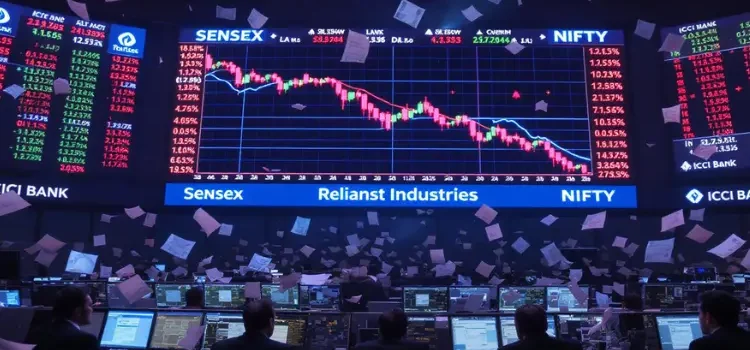
Source : thehindu.com

Indian Rupee Trims Losses, Ends 2 Paise Up at 90.16 vs Dollar

The Indian Rupee trims losses and ends 2 paise up at 90.16 vs Dollar in a trading session shaped by mixed global signals and cautious investor sentiment. Early weakness in the domestic currency gave way to a steady recovery as market participants responded to supportive inflows and improved risk appetite. This movement reflects the dynamic nature of currency markets where global developments and domestic fundamentals constantly interact.

While the opening trade showed pressure from a firm US Dollar and volatile crude prices the rupee found stability as the session progressed. Gradually improving sentiment helped the currency limit downside risks and close marginally higher against the greenback.

Early market pressure and recovery signals

At the start of the day the rupee faced selling pressure as Asian currencies traded lower. Stronger US economic data and expectations around interest rate direction influenced currency traders to remain cautious. However as the session unfolded the Indian Rupee trims losses and ends 2 paise up at 90.16 vs Dollar indicating resilience supported by exporter dollar sales and controlled capital outflows.

In addition global equity markets showed signs of stabilization which indirectly supported emerging market currencies. This recovery phase highlights how short term volatility often gives way to measured moves driven by fundamentals rather than speculation alone.

Role of global cues and domestic factors

Global cues played a significant role in shaping currency direction. Movement in US treasury yields and expectations surrounding central bank policies influenced dollar demand. At the same time domestic macroeconomic stability helped anchor the rupee despite external uncertainties.

India continues to benefit from consistent reform momentum and improving economic indicators. These aspects remain important finance industry updates for investors tracking currency performance. Moreover steady foreign institutional participation in equity markets provided additional comfort to traders assessing rupee outlook.

Impact on business sentiment and markets

Currency stability has a direct bearing on corporate planning and investor confidence. When the Indian Rupee trims losses and ends 2 paise up at 90.16 vs Dollar it sends a signal of relative balance in the foreign exchange market. Import dependent sectors watch such movements closely while exporters evaluate hedging strategies based on daily trends.

From a broader perspective currency movements influence technology insights and IT industry news as global firms operating in India factor exchange rates into cost structures and revenue forecasts. Similarly HR trends and insights also come into play as multinational companies assess compensation planning and cross border hiring decisions.

Broader relevance across industries

A stable rupee environment supports long term planning across sectors. Sales strategies and research teams often analyze currency trends to refine pricing models for international markets. Meanwhile marketing trends analysis increasingly factors currency stability into campaign budgeting especially for brands with global exposure.

As a result the Indian Rupee trims losses and ends 2 paise up at 90.16 vs Dollar not only reflects a market outcome but also influences decision making across finance technology and human resources. These interconnected impacts underline why currency updates remain closely watched by businesses of all sizes.

Market outlook amid evolving conditions

Looking ahead currency markets are expected to remain sensitive to global developments including inflation data and geopolitical signals. Domestic growth prospects and policy clarity will continue to play a supportive role. Although short term volatility cannot be ruled out the rupee ability to recover from early losses suggests underlying strength.

For analysts and investors this movement offers insights into how balanced capital flows and prudent macro management can cushion external shocks. Therefore the Indian Rupee trims losses and ends 2 paise up at 90.16 vs Dollar stands as an example of measured resilience in an uncertain global environment.

Practical insights for businesses and professionals

Businesses can use such currency movements as an opportunity to review exposure and refine financial planning. Importers may consider timely hedging while exporters can assess favorable conversion windows. Professionals tracking finance industry updates should also observe how currency trends align with sector performance and investment flows.

For decision makers involved in technology insights HR trends and insights and marketing trends analysis understanding currency behavior adds depth to strategic planning. Staying informed allows organizations to adapt quickly and maintain competitiveness in evolving market conditions.

For deeper analysis across finance technology and business strategy reach out to BusinessInfoPro for expert driven insights tailored to your goals. Connect with our team to stay ahead with timely intelligence that empowers smarter decisions across industries.

Source : thehindu.com