

In today’s digital-first economy, visibility is everything. For eCommerce sellers, standing out in a crowded marketplace like Amazon requires more than just a good product it demands strategic marketing. That’s where Amazon Marketing Services (AMS) steps in. Designed as Amazon’s in-house advertising platform, AMS enables sellers to showcase their products to millions of potential buyers who are already in the buying mindset. As we move into 2025, AMS continues to evolve, offering more sophisticated tools, automation features, and analytics to help brands maximize their return on investment.

Understanding Amazon Marketing Services (AMS)

Amazon Marketing Services (AMS) is a suite of advertising tools designed to help businesses promote their products directly on Amazon’s platform. Through AMS, sellers can create targeted ads that appear in search results, product detail pages, and even across Amazon’s partner sites.

The core idea behind AMS is intent-based marketing. Instead of showing ads randomly, AMS places them in front of customers actively searching for related products. This makes it one of the most effective platforms for eCommerce advertising in 2025.

AMS is not limited to Amazon sellers vendors, agencies, and even large brands use it to increase brand visibility, drive traffic, and boost conversions.

Key Components of Amazon Marketing Services

AMS provides three primary types of advertising campaigns, each with a specific purpose and placement strategy.

1. Sponsored Products

Sponsored Products are keyword-targeted ads that promote individual product listings. They appear in Amazon search results and on product pages, helping sellers gain visibility for specific items.

These ads are pay-per-click (PPC) based you pay only when someone clicks your ad. In 2025, Amazon’s AI-driven targeting and smart bidding options have made Sponsored Products more efficient, allowing sellers to automate keyword optimization and bidding strategies for better ROI.

2. Sponsored Brands (Previously Headline Search Ads)

Sponsored Brands highlight your brand and multiple products at once. These ads appear at the top of search results, displaying your brand logo, a custom tagline, and up to three products.

They are ideal for improving brand awareness and driving long-term recognition. As competition on Amazon intensifies, Sponsored Brands have become a vital part of building trust and loyalty among repeat customers.

3. Sponsored Display Ads

Sponsored Display Ads extend beyond Amazon’s platform. They target audiences both on and off Amazon, including third-party websites and apps.

This feature uses audience insights to retarget users who viewed your product but didn’t make a purchase increasing conversion opportunities. In 2025, these ads use Amazon’s advanced machine learning to refine targeting and personalize ad delivery for higher performance.

Why Amazon Marketing Services Matters in 2025

The landscape of eCommerce marketing has become increasingly data-driven and competitive. Amazon Marketing Services allows sellers to:

  • Increase visibility in highly competitive categories.
  • Target customers at different stages of the buying journey.
  • Leverage AI insights for data-driven decision-making.
  • Measure ad performance with precision analytics.
  • Optimize spend with automated campaign management.

With billions of products competing for attention, AMS provides the edge needed to ensure your brand gets seen, remembered, and chosen.

How to Use Amazon Marketing Services in 2025

Using Amazon Marketing Services effectively requires strategic planning, ongoing optimization, and understanding how Amazon’s algorithms prioritize visibility.

1. Set Clear Objectives

Before launching a campaign, identify your primary goals whether it’s increasing product visibility, driving sales, or building brand awareness. Each ad format within AMS serves a different purpose, so defining your objective helps tailor the strategy for better results.

2. Perform Keyword Research

Success on AMS heavily depends on keyword selection. Use tools like Amazon’s Search Term Report, Helium 10, or Jungle Scout to discover high-performing keywords relevant to your product.

In 2025, Amazon’s AI recommends trending keywords based on real-time search data, giving advertisers an advantage in capturing emerging market opportunities.

3. Optimize Product Listings

Your ads are only as strong as your listings. Optimize your titles, descriptions, bullet points, and images with targeted keywords. A well-optimized product page not only improves organic ranking but also enhances ad relevance, reducing your cost-per-click (CPC).

4. Use Dynamic Bidding

Dynamic bidding automatically adjusts your bids based on the likelihood of conversion. This ensures your budget is spent efficiently on clicks that are most likely to lead to sales.

In 2025, AMS’s AI-driven smart bidding uses predictive analytics to learn from campaign performance and continuously refine bid strategies.

5. Leverage A/B Testing

Test different ad creatives, keywords, and bidding models. Monitor which combinations drive the highest engagement and adjust accordingly. Amazon’s Campaign Manager Dashboard now includes automated recommendations for improving campaign performance.

6. Analyze Performance Metrics

Track KPIs such as click-through rate (CTR), advertising cost of sales (ACoS), and return on ad spend (ROAS). AMS offers detailed insights into customer behavior, helping you make data-backed adjustments for continuous growth.

7. Retarget and Upsell

Use Sponsored Display Ads to re-engage customers who viewed your listings but didn’t convert. You can also target users who purchased related items, creating opportunities for upselling and cross-selling.

8. Integrate with Amazon DSP (Demand-Side Platform)

For brands seeking to scale, integrating AMS with Amazon DSP provides access to broader audience targeting across Amazon’s ecosystem and beyond. This approach enables more holistic marketing, combining visibility and brand storytelling with precision targeting.

Trends Shaping Amazon Marketing Services in 2025

The digital advertising world is rapidly evolving, and Amazon Marketing Services is at the forefront of this transformation. Here are the major trends driving AMS forward this year:

1. AI-Driven Automation

Automation has become the core of campaign optimization. Amazon’s AI now automates keyword bidding, placement optimization, and even creative suggestions helping advertisers save time while maximizing ad performance.

2. Voice Search Integration

As Alexa and other voice-enabled devices continue to dominate households, optimizing AMS campaigns for voice search is essential. Sellers can now use conversational keyword targeting to align their ads with how users naturally speak to smart devices.

3. Video Ads Dominating Sponsored Brands

Video content is rapidly becoming the preferred format. Amazon’s Sponsored Brands Video Ads offer an immersive experience, allowing brands to showcase product use cases, testimonials, or unboxing experiences directly within search results.

4. Sustainability-Centric Advertising

Consumers in 2025 are more eco-conscious than ever. AMS now offers sustainability badges and eco-focused ad categories, helping green brands connect with environmentally aware audiences.

5. Cross-Platform Integration

Amazon has expanded its advertising reach beyond the marketplace. Through its DSP and streaming platforms like Prime Video and Freevee, brands can now target audiences through immersive ad experiences that blend shopping and entertainment.

Best Practices for Maximizing AMS ROI

To get the most from Amazon Marketing Services, advertisers should follow these best practices:

  • Focus on high-performing SKUs: Prioritize products with proven sales history.
  • Maintain ad relevance: Align keywords closely with your product category and listing content.
  • Monitor campaign frequency: Avoid ad fatigue by rotating creatives regularly.
  • Adjust budgets strategically: Increase bids during seasonal demand spikes.
  • Adopt holistic marketing: Combine AMS with SEO, social media, and influencer campaigns for a full-funnel approach.

As Amazon Marketing Services continues to evolve in 2025, it remains one of the most powerful tools for driving visibility, engagement, and conversions on the world’s largest online marketplace. Leveraging its AI-powered targeting, advanced analytics, and innovative formats can transform your brand’s digital presence turning visibility into measurable growth.

As Amazon Marketing Services continues to evolve in 2025, innovation will define success. Leverage AI-powered targeting, precision outreach, and scalable engagement with Businessinfopro. Transform how your brand connects, converts, and grows in the competitive eCommerce space.
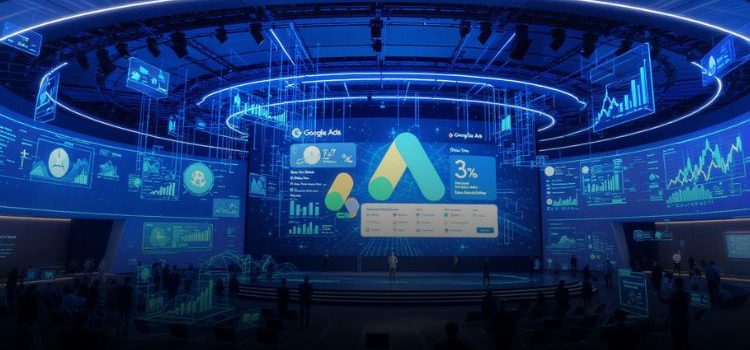

The Google Marketing Live 2025 event brought together the brightest minds in digital marketing, innovation, and technology to showcase how artificial intelligence is transforming the way brands connect with consumers. Each year, Google uses this event as a launchpad for cutting-edge updates, and 2025 has proven to be a defining year for marketers embracing automation, personalization, and AI-powered insights.

As the world of Google Marketing continues to evolve, the event focused on three major pillars intelligent advertising, AI-driven creativity, and smarter audience engagement. These innovations are not just upgrades but strategic advancements reshaping how businesses communicate, convert, and compete in an increasingly digital marketplace.

The AI Revolution Takes Center Stage

Artificial intelligence dominated every conversation at Google Marketing Live 2025. From generative AI tools for creative campaigns to predictive insights that optimize ad performance, Google positioned AI as the engine powering the next era of marketing.

Marketers were introduced to AI-powered Search and Shopping Ads, which can now anticipate user intent and automatically generate personalized ad variations. The result is a more dynamic, real-time advertising ecosystem where relevance is no longer reactive but predictive.

One of the standout moments was the unveiling of Google’s new Performance Max AI Enhancements. With upgraded machine learning capabilities, advertisers can now access deeper insights into audience behavior, creative effectiveness, and bidding strategies all powered by AI models trained on billions of interactions.

These enhancements give marketers the ability to understand not just what users are doing, but why they’re doing it allowing for more meaningful and conversion-driven campaigns.

Generative AI Meets Creative Marketing

Google Marketing Live 2025 demonstrated how AI is not just optimizing marketing operations but inspiring creativity itself. With the rise of generative AI tools, marketers can now co-create with machines, turning data into designs, scripts, and visuals in seconds.

One notable announcement was the integration of Gemini AI Studio within Google Ads. This tool enables marketers to generate ad headlines, descriptions, and visuals directly inside their campaign workflows. Using prompts and natural language, creative assets can be customized instantly for different audiences or platforms.

This feature transforms creative testing allowing advertisers to explore multiple variations simultaneously, ensuring that every version resonates with its target segment. This kind of generative intelligence is what defines the future of Google Marketing, blending human imagination with machine precision.

Smarter Ads Across the Google Ecosystem

Another major highlight was the deep integration of AI across Google’s ad ecosystem from YouTube and Search to Maps and Discover. Each channel is now powered by smarter recommendation systems, ensuring brands can engage users wherever they are in their journey.

For YouTube advertisers, Google introduced AI-powered Video Campaigns, which use generative AI to automatically produce short, engaging video content optimized for performance across devices. These campaigns can now analyze viewer engagement patterns to refine storytelling in real-time.

In Search, new AI-powered Shopping Experiences allow brands to present immersive product listings, including 3D models and virtual try-on features, giving consumers a more interactive and personalized browsing experience.

Together, these updates redefine what it means to do Google Marketing in 2025 it’s no longer about pushing messages but creating intelligent, adaptive ecosystems that evolve with user behavior.

The Rise of Search Generative Experience (SGE)

Google’s Search Generative Experience (SGE) continues to be one of the most transformative developments in the marketing landscape. At the event, Google expanded its capabilities by introducing new ad formats that integrate seamlessly within AI-generated search results.

With SGE, users are not just searching for answers they’re engaging with dynamic, conversational responses that include embedded ads relevant to their queries. This shift marks a new era where organic and paid visibility coexist more naturally, providing value through relevance rather than disruption.

Marketers attending Google Marketing Live 2025 saw firsthand how this technology allows for more contextual advertising, where AI ensures ads appear when they genuinely align with a user’s intent. This evolution signals a move toward more ethical, user-focused advertising experiences a critical advancement in today’s data-conscious world.

Data Privacy and Ethical AI in Marketing

Another important theme at Google Marketing Live 2025 was data privacy and the responsible use of AI. With growing consumer concerns and evolving regulations, Google reaffirmed its commitment to a privacy-first ecosystem.

The introduction of Privacy Sandbox updates reflects Google’s effort to phase out third-party cookies responsibly while maintaining advertising effectiveness. New APIs and aggregated reporting models will enable marketers to measure performance without compromising user data.

Ethical AI was also a major talking point Google emphasized the importance of transparency, fairness, and accountability in AI-powered marketing. These measures ensure that Google Marketing tools empower brands without eroding consumer trust. In a digital landscape where personalization and privacy often clash, this balanced approach reinforces the credibility of both Google and its partners.

Measuring Success with AI-Powered Analytics

With every new innovation, measurement becomes increasingly critical. Google Marketing Live 2025 introduced AI-enhanced Google Analytics 5, designed to help marketers uncover actionable insights faster.

The new system uses predictive modeling to anticipate performance trends and recommend real-time adjustments. For example, marketers can receive alerts when a campaign is underperforming and get AI-generated recommendations for improving engagement or optimizing ad spend.

In addition, cross-channel attribution has become smarter, allowing brands to see how their investments across Search, YouTube, Display, and Shopping contribute collectively to conversions. This unified view of performance ensures Google Marketing remains strategic, data-driven, and results-oriented.

The Future of Google Marketing Is Collaborative

A recurring theme throughout the event was the growing collaboration between human marketers and AI systems. Rather than replacing creative talent, AI is enhancing it enabling teams to achieve more with less effort and more precision.

As Google continues to expand its AI capabilities, marketers will play an increasingly strategic role focusing on crafting narratives, setting ethical boundaries, and ensuring brand authenticity. The tools showcased at Google Marketing Live 2025 reinforce the idea that the future of Google Marketing is both human and intelligent, balancing creativity with computation.

Key Takeaways from Google Marketing Live 2025

The 2025 edition of Google Marketing Live was not just about unveiling new features but defining the direction of digital marketing for years to come. It’s clear that AI is no longer an optional enhancement it’s the foundation of the entire marketing ecosystem.

From predictive ads and generative creativity to ethical data practices and cross-channel insights, every innovation unveiled this year moves marketers closer to an era of precision and personalization unlike anything before. The future belongs to those who can adapt quickly, leverage AI responsibly, and turn data into meaningful storytelling.

As Google Marketing continues to evolve in 2025, innovation will define success. Leverage AI-powered targeting, precision outreach, and scalable engagement with Businessinfopro. Transform how your brand connects, converts, and grows in the competitive digital landscape.

Source: Google

In today’s hyper-connected and data-driven era, the boundaries of creativity, personalization, and efficiency are being redrawn by one transformative force Generative AI. For modern marketing, this evolution represents not just a technological upgrade but a complete rethinking of how brands connect with audiences. Generative AI empowers marketers to craft campaigns that think, learn, and evolve, blending human creativity with machine intelligence to create experiences that are more meaningful and dynamic than ever before.

The Shift Toward Intelligent Creativity

Traditional marketing relied heavily on human intuition, experience, and manual processes. While creativity remained at the heart of every campaign, its scalability was limited. With generative AI, however, creativity can now operate at the speed and scale of data. It allows marketers to generate fresh ideas, visual assets, and personalized content variations in seconds.

This blend of automation and imagination has made modern marketing more adaptive and responsive. Tools like ChatGPT, Jasper, and Midjourney are becoming creative partners, helping teams brainstorm, write, design, and personalize communications without compromising authenticity. Instead of replacing human creativity, these AI systems amplify it freeing marketers to focus on strategic storytelling and emotional resonance.

Hyper-Personalization at Scale

In the past, personalization meant segmenting audiences into broad groups. Generative AI has revolutionized this approach. By processing vast datasets, it can now predict customer behavior, preferences, and needs in real-time, enabling marketers to tailor every piece of content to individual users.

From hyper-targeted emails to dynamic ad creatives and conversational chatbots, every touchpoint can be intelligently personalized. Imagine an e-commerce brand that generates custom product recommendations, promotional offers, and even personalized visuals all designed automatically based on a customer’s browsing habits and engagement history. That’s the power of AI-driven personalization fueling modern marketing strategies across industries.

Revolutionizing Content Creation and Campaign Design

Generative AI is redefining how marketing teams conceptualize and execute campaigns. Marketers no longer need to spend hours crafting multiple ad variations or testing messages manually. AI tools can generate, test, and optimize content autonomously reducing costs and accelerating time-to-market.

For example, AI-driven copy generators analyze audience sentiment and engagement patterns to create high-performing ad copies. Similarly, generative design platforms can produce numerous layout options, logos, and visuals aligned with brand aesthetics. The result is a faster, data-informed creative process that maintains consistency across channels.

In this sense, modern marketing is becoming less about manual execution and more about strategic orchestration. The creative process now begins with data and evolves through continuous AI-driven optimization.

Smarter Decision-Making Through Predictive Analytics

Generative AI is not just about creativity it’s equally about intelligence. By combining data analytics with predictive modeling, AI enables marketers to make smarter, more informed decisions. It identifies patterns that humans might overlook, forecasting which campaigns, keywords, or offers will deliver the highest ROI.

For B2B and B2C marketers alike, this means decisions are backed by insights rather than assumptions. Predictive AI can also analyze lead behavior, optimize marketing funnels, and enhance customer retention strategies. With modern marketing increasingly depending on agility and foresight, predictive intelligence becomes a critical differentiator in competitive landscapes.

Human-AI Collaboration: The New Marketing Model

While AI is increasingly capable, it cannot fully replace human creativity, empathy, and ethical judgment. The future of modern marketing lies in collaboration where AI handles the data-heavy, repetitive, and analytical tasks, and humans focus on creative strategy, emotional connection, and storytelling.

Marketers who learn to work alongside AI rather than against it will thrive. Generative AI serves as a creative co-pilot, guiding marketers to think differently, spot emerging trends, and craft campaigns that resonate deeply with audiences. This synergy ensures that marketing remains both efficient and human-centric.

Ethical Marketing in the Age of AI

With great innovation comes great responsibility. As AI-generated content becomes mainstream, ethical considerations are now a vital part of marketing discussions. Issues such as data privacy, content authenticity, and transparency are more important than ever.

Consumers are becoming increasingly aware of AI-generated interactions and expect honesty from brands. Companies must ensure that the use of AI aligns with ethical standards and regulatory guidelines. This means disclosing AI involvement where necessary, safeguarding consumer data, and maintaining creative integrity.

Ethical AI practices not only protect brand reputation but also build trust a cornerstone of modern marketing success. Marketers who prioritize transparency and accountability will gain long-term customer loyalty and respect in an era where authenticity is the ultimate differentiator.

Real-World Applications Transforming the Marketing Landscape

The applications of generative AI in modern marketing are expanding rapidly across every channel and function.

  • Content Marketing: AI generates SEO-optimized blogs, videos, and social media posts based on trending topics and audience preferences.
  • Email Marketing: Personalized subject lines, tailored recommendations, and predictive send times enhance engagement and conversion rates.
  • Advertising: Generative AI creates custom ad variations for different audiences, optimizing spend in real-time.
  • Customer Support: Conversational AI provides instant, human-like interactions that improve customer satisfaction and loyalty.

Even in influencer marketing, AI tools now identify and predict influencer performance, helping brands collaborate strategically and measure ROI accurately.

The Future of Modern Marketing with Generative AI

Generative AI is still in its early stages, but its influence on marketing is undeniable. As the technology evolves, marketers will increasingly rely on AI to automate creativity, enhance personalization, and analyze complex data faster than ever before.

However, success in modern marketing will depend on how well organizations integrate these tools into their workflows. Companies that strike a balance between AI innovation and human creativity will stand at the forefront of marketing transformation.

Generative AI will continue to shape campaigns that feel more intuitive, relevant, and emotionally resonant turning data into stories and algorithms into experiences. This convergence of intelligence and imagination defines the next chapter of marketing evolution.

As Modern Marketing continues to evolve in 2025, innovation will define success. Leverage AI-powered targeting, precision outreach, and scalable engagement with Businessinfopro. Transform how your brand connects, converts, and grows in the competitive digital landscape.

The evolution of digital media has always mirrored technological progress, but in 2025, it’s not just about technology it’s about transformation. The entertainment industry is no longer confined to television, radio, or cinema. Instead, Digital Media Trends in 2025 reveal a rapidly expanding ecosystem where creators, audiences, and platforms converge to co-create the future of entertainment. From immersive social experiences to AI-driven personalization, the media landscape is being reimagined like never before.

The Shift Toward Social-First Entertainment

Social media platforms have evolved from being mere communication tools into massive entertainment ecosystems. TikTok, Instagram Reels, YouTube Shorts, and emerging AI-powered platforms are now at the forefront of content discovery and engagement. These platforms are dictating what audiences watch, how they interact, and even how they perceive cultural trends.

In 2025, Digital Media Trends are moving toward social-first consumption models. Users are not just passive consumers; they’re co-creators, influencers, and micro-celebrities. This democratization of content creation is redefining storytelling and brand engagement.

Short-form video continues to dominate, but long-form storytelling is making a comeback through interactive live sessions, serialized content, and community-driven discussions. The blend of entertainment, education, and social interaction is giving rise to a new hybrid media experience.

AI and Personalization Drive Viewer Engagement

Artificial Intelligence is playing a critical role in transforming how audiences experience digital entertainment. Streaming services, gaming platforms, and social networks now leverage predictive algorithms that analyze user preferences, behaviors, and even moods to deliver hyper-personalized content.

In the landscape of Digital Media Trends, personalization has evolved from simple recommendations to full-scale content orchestration. Platforms can now create individualized feeds where every piece of content feels uniquely curated for each viewer. This shift increases engagement, retention, and ad performance, making personalization not just a trend but a business necessity.

The Rise of Virtual and Augmented Reality Experiences

The integration of Virtual Reality (VR) and Augmented Reality (AR) into digital entertainment is no longer experimental it’s mainstream. Immersive concerts, virtual meetups, and interactive gaming experiences are redefining how people consume and participate in media.

In 2025, Digital Media Trends show that entertainment is expanding into the metaverse and beyond. Major entertainment companies are building entire ecosystems where audiences can experience concerts, films, or games in fully immersive virtual environments. Social platforms are also integrating AR filters, 3D avatars, and mixed-reality content to keep users deeply engaged.

This blend of physical and virtual worlds is creating new opportunities for brands, creators, and audiences to interact in more meaningful and emotionally engaging ways.

The Creator Economy Becomes the Core of Media Innovation

Creators are no longer just influencers they are the driving force of the digital economy. Independent artists, podcasters, gamers, and digital storytellers now have access to monetization tools, brand collaborations, and AI-powered analytics that were once reserved for large studios.

Digital Media Trends in 2025 emphasize the rise of creator-led platforms where monetization models are shifting from ad revenue to direct audience support, including memberships, NFTs, and exclusive digital collectibles.

Social platforms are evolving into creator-first ecosystems that provide insights, analytics, and distribution tools designed to help creators grow sustainable digital businesses. This decentralized approach is reshaping the media value chain and giving creators unprecedented control over their craft.

Streaming Services Reinvent Their Models

Streaming remains a dominant force in global entertainment, but the industry is undergoing a significant shift. Subscription fatigue is pushing audiences to seek new ways to access premium content. In response, Digital Media Trends show streaming services experimenting with hybrid monetization models combining subscriptions, ad-supported tiers, and exclusive live content.

Platforms like Netflix, Disney+, and Amazon Prime are investing in community-driven engagement through live chats, fan voting, and shared viewing experiences. Meanwhile, new players are entering the market, focusing on niche audiences and regional storytelling.

This evolution ensures that streaming remains relevant by offering choice, flexibility, and interactivity qualities that modern audiences now expect.

Social Commerce and Shoppable Entertainment

The intersection of entertainment and commerce is one of the most exciting Digital Media Trends of 2025. Social commerce, driven by live shopping events, influencer endorsements, and AI-driven product recommendations, is transforming how consumers interact with brands.

Platforms like Instagram and TikTok are integrating seamless in-app purchasing options, enabling users to buy products directly from videos or livestreams. This merging of entertainment and e-commerce turns every piece of content into a potential sales opportunity.

Brands are leveraging storytelling to build emotional connections, transforming advertisements into engaging narratives. The result is a frictionless consumer experience where entertainment and commerce coexist seamlessly.

Data Privacy and Ethical AI in Media

As personalization and AI integration grow, so do concerns around privacy and data ethics. In 2025, Digital Media Trends reflect a heightened focus on transparency and data control.

Consumers now demand clarity about how their data is collected, used, and shared. Media companies are responding with enhanced data protection frameworks, privacy-first algorithms, and ethical content moderation policies.

The challenge lies in balancing innovation with responsibility. Companies that successfully navigate this balance will earn long-term audience trust while maintaining the agility to innovate.

The Future of Media Collaboration and Cross-Platform Integration

The boundaries between platforms are blurring as cross-platform storytelling gains momentum. Audiences can now begin a story on YouTube, continue it on Instagram, and experience its finale in a virtual world.

This integrated experience defines the next phase of Digital Media Trends a seamless ecosystem where collaboration between brands, creators, and platforms drives engagement. The future of entertainment is not about competing ecosystems but about interconnected digital experiences that adapt to user behavior and preferences.

As 2025 unfolds, it’s clear that digital media is not merely evolving it’s reinventing itself. Social platforms are no longer secondary channels but central hubs for storytelling, innovation, and community building. Businesses, creators, and audiences alike are reshaping entertainment into something far more immersive, dynamic, and personal than ever before.

As Digital Media Trends continue to evolve in 2025, innovation will define success. Leverage AI-driven insights, creative storytelling, and cross-platform engagement with Businessinfopro. Transform how your brand connects, captivates, and grows in the digital entertainment landscape.

In an era defined by rapid digital transformation, the concept of Digital Maturity has become more than just a buzzword it’s a critical business imperative. As organizations navigate new technologies, evolving customer expectations, and intensified competition, their ability to achieve digital maturity directly influences performance, agility, and long-term resilience.

The year 2025 marks a turning point where enterprises that master digital maturity will not only outperform their competitors but also redefine customer engagement, operational efficiency, and innovation itself. This comprehensive exploration provides a step-by-step guide to enhancing digital maturity and positioning businesses for sustainable success in the digital-first future.

Understanding Digital Maturity in 2025

Digital maturity describes how effectively an organization blends modern technologies, data-driven decision-making, and an adaptive culture into its core operations. It’s less about adopting new tools and more about using them intentionally to create measurable impact.

In 2025, this capability goes far beyond automation or basic cloud use. It reflects the seamless integration of AI, analytics, and thoughtful experience design, enabling companies to innovate and scale with confidence. Businesses that excel in this area demonstrate agility, strong data literacy, and a clear connection between technology efforts and strategic goals.

Recent industry insights show that organizations operating at higher levels of advancement achieve revenue growth nearly twice that of slower adopters. They also benefit from stronger customer loyalty, better decision-making, and greater operational transparency, highlighting the urgency for enterprises to accelerate their digital evolution.

Step 1: Assessing the Current Digital Maturity Level

Before embarking on the journey toward digital transformation, organizations must first evaluate their current level of digital maturity. This assessment includes understanding existing technology infrastructure, digital culture, and strategic capabilities.

Key areas to assess include:

  • Technology Integration: How effectively digital tools are connected across departments.
  • Data Utilization: The degree to which decisions are driven by data insights.
  • Customer Experience: How digital touchpoints improve engagement and satisfaction.
  • Leadership & Culture: Whether teams embrace innovation and agility.

Conducting a digital maturity audit enables businesses to identify gaps, prioritize initiatives, and develop a roadmap tailored to their unique context.

Step 2: Building a Unified Digital Vision

A clear digital vision is the foundation of every successful transformation. Leadership teams must define how Digital Maturity aligns with organizational goals whether it’s improving customer engagement, operational efficiency, or innovation capability.

In 2025, this vision should also emphasize AI integration, cybersecurity, and cloud scalability. As technologies converge, companies must ensure that their digital initiatives align with broader business strategies.

Key actions include:

  • Defining measurable digital KPIs.
  • Aligning cross-department objectives to support the vision.
  • Establishing governance structures to maintain consistency and accountability.

Step 3: Investing in Scalable Digital Infrastructure

The next step in enhancing digital maturity is developing a flexible and scalable digital infrastructure. In 2025, organizations are moving away from siloed systems toward integrated digital ecosystems powered by cloud computing, edge technologies, and hybrid environments.

A robust infrastructure supports seamless collaboration, faster innovation cycles, and real-time decision-making. Businesses should:

  • Modernize legacy systems and migrate critical workloads to the cloud.
  • Implement secure, API-driven integrations to connect platforms.
  • Prioritize cybersecurity resilience as digital operations expand.

This infrastructure forms the backbone for advanced capabilities such as predictive analytics, process automation, and intelligent customer engagement core elements of Digital Maturity.

Step 4: Embedding Data-Driven Decision Making

Data is the lifeblood of digital transformation. Achieving Digital Maturity requires not only collecting data but transforming it into actionable intelligence.

In 2025, advanced analytics and AI-powered insights enable companies to predict customer behavior, optimize marketing campaigns, and identify operational inefficiencies. To build a data-driven culture, organizations must:

  • Centralize data within unified platforms for better accessibility.
  • Train teams to interpret and leverage analytics tools effectively.
  • Integrate real-time dashboards for continuous monitoring and improvement.

By embedding analytics across departments, businesses ensure that every decision is grounded in measurable evidence rather than intuition.

Step 5: Empowering the Workforce with Digital Skills

Technology alone cannot achieve Digital Maturity people remain the most important asset. Building a digitally fluent workforce ensures innovation and adaptability.

Organizations should focus on:

  • Upskilling employees in AI, automation, and analytics.
  • Fostering collaboration across digital and business teams.
  • Encouraging a growth mindset that embraces experimentation.

In 2025, digital maturity also involves humanizing technology balancing automation with empathy. Businesses that empower their employees to co-create digital experiences gain a competitive edge by blending human creativity with machine precision.

Step 6: Prioritizing Customer-Centric Transformation

A digitally mature enterprise views every decision through the lens of the customer. Digital channels are no longer supplementary they are the primary interface for engagement.

Achieving Digital Maturity means creating personalized, frictionless experiences across the customer journey. Using AI, predictive analytics, and omnichannel integration, businesses can anticipate customer needs, deliver relevant content, and optimize satisfaction.

Companies can strengthen this dimension by:

  • Mapping the digital customer journey end-to-end.
  • Leveraging automation for real-time responses and personalized offers.
  • Integrating feedback loops to refine experience design continuously.

When customers feel understood and valued, they become advocates driving organic growth and brand loyalty.

Step 7: Measuring Progress and Continuous Optimization

Digital transformation is not a one-time project; it’s a continuous journey. Mature organizations regularly assess their progress using performance metrics, employee feedback, and customer outcomes.

Key indicators of Digital Maturity include:

  • Increased digital revenue contribution.
  • Enhanced operational efficiency and reduced manual processes.
  • Improved customer satisfaction and retention rates.
  • Stronger adaptability to market disruptions.

In 2025, leveraging AI-driven analytics tools allows for real-time tracking of digital maturity levels, enabling proactive decision-making and long-term growth.

Step 8: Fostering Innovation and Agility

To sustain Digital Maturity, innovation must become an ongoing organizational habit. Businesses that experiment with emerging technologies like generative AI, blockchain, and the metaverse will define the next phase of transformation.

Embracing agile methodologies also allows faster execution, iterative improvements, and reduced time to market. By encouraging cross-functional collaboration and continuous learning, organizations can evolve in sync with technological advancements and shifting consumer behavior.

Ultimately, Digital Maturity is achieved when digital thinking becomes part of the company’s DNA a mindset that thrives on innovation, resilience, and adaptability.

As Digital Maturity continues to define competitive advantage in 2025, businesses that act now will lead tomorrow. Build your digital roadmap, embrace innovation, and empower transformation with Businessinfopro.