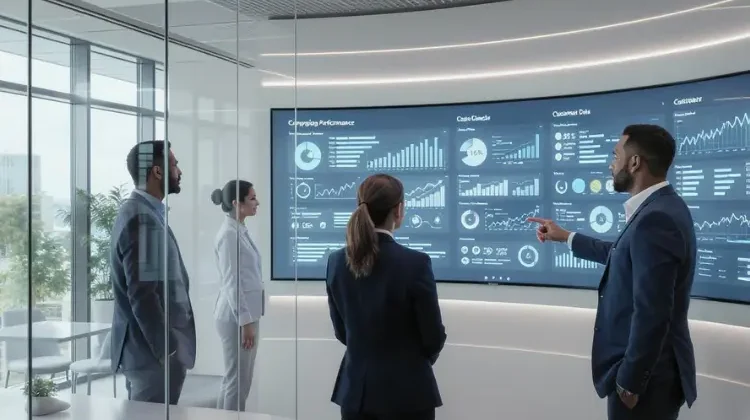

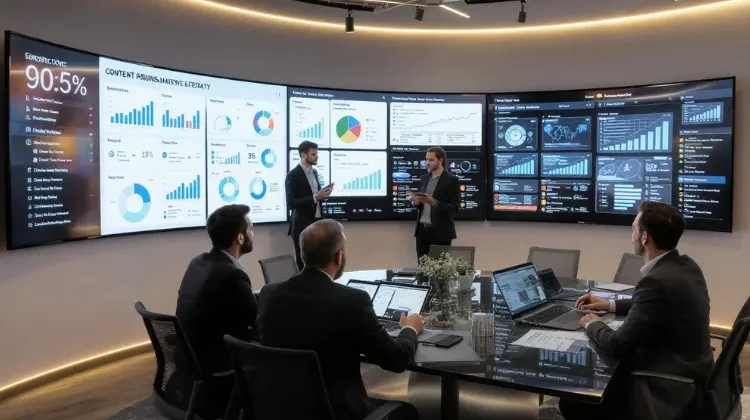

In today’s competitive business environment, organizations are increasingly realizing that human capital is one of the most significant drivers of growth. But managing people isn’t just about hiring and retaining talent it’s about measuring and analyzing performance in ways that directly impact revenue. This is where HR metrics come into play. By leveraging data-driven insights, companies can align their workforce strategies with organizational goals, ensuring both operational efficiency and revenue growth.

Understanding the right HR metrics is crucial because they provide actionable insights into workforce productivity, employee engagement, and talent optimization. Let’s explore five key HR metrics that are directly linked to driving revenue growth and overall performance.

Employee productivity is arguably the most direct indicator of an organization’s ability to generate revenue. By measuring output against hours worked or tasks completed, businesses can assess efficiency and identify bottlenecks. Productivity metrics can be broken down into several components: task completion rate, project delivery timelines, and quality of output.

High employee productivity often correlates with higher revenue generation. For example, a sales team with optimized workflows and high productivity can close deals faster, driving sales performance. Tools like time-tracking software, project management systems, and performance dashboards are essential for monitoring productivity metrics effectively.

By keeping a close eye on these HR metrics, companies can reward high performers, streamline processes, and make strategic decisions that boost revenue.

Engaged employees are more motivated, committed, and aligned with the company’s objectives. Measuring engagement can involve surveys, pulse checks, and analyzing participation in corporate programs. Metrics such as employee satisfaction scores, Net Promoter Score (NPS) for employees, and retention rates offer valuable insights.

Research consistently shows that organizations with higher employee engagement experience increased profitability. Engaged employees contribute more creatively, collaborate efficiently, and reduce operational inefficiencies. By tracking engagement as a key HR metric, businesses can identify areas requiring intervention whether it’s improving workplace culture, providing growth opportunities, or enhancing recognition programs.

Investing in employee engagement not only retains top talent but also drives performance, translating directly into revenue growth.

Hiring the right talent is foundational for business success. HR metrics around recruitment focus on measuring the effectiveness, efficiency, and quality of the hiring process. Key indicators include time-to-fill, cost-per-hire, and the quality of hire.

A fast and efficient recruitment process ensures that critical roles are filled quickly, minimizing downtime and lost productivity. Meanwhile, tracking the quality of hire through performance reviews and retention rates helps organizations determine whether new employees are meeting expectations and contributing to growth.

Optimizing talent acquisition processes can significantly reduce hiring costs while enhancing workforce capability directly impacting revenue and long-term performance. By analyzing these HR metrics, companies gain a strategic advantage in attracting and retaining top talent.

Continuous learning and professional development are essential to maintain a skilled and competitive workforce. Tracking HR metrics related to training and development helps organizations understand the return on investment (ROI) of their learning programs.

Metrics such as training completion rates, skill acquisition, internal mobility, and performance improvement post-training provide insights into the effectiveness of development initiatives. Companies that invest strategically in employee development see tangible benefits, including higher productivity, improved customer satisfaction, and innovative solutions.

By closely monitoring training and development metrics, organizations can ensure that employees are not only growing professionally but also contributing more effectively to revenue and performance outcomes.

5. Employee Turnover and Retention Metrics

High employee turnover can be costly, both financially and operationally. Measuring turnover and retention is a critical HR metric because it highlights organizational stability and workforce satisfaction. Key indicators include turnover rate, retention rate, and the average tenure of employees.

Reducing turnover through targeted retention strategies ensures that experienced and high-performing employees remain within the organization. This continuity drives productivity, maintains institutional knowledge, and reduces recruitment costs all of which positively affect revenue.

By analyzing turnover and retention metrics, companies can pinpoint the reasons behind attrition, implement proactive engagement initiatives, and foster a loyal, motivated workforce. These measures ensure sustained growth and higher performance across the business.

Leveraging these five HR metrics employee productivity, engagement, talent acquisition, training and development, and turnover and retention provides organizations with actionable insights that directly influence revenue growth and overall performance. By making data-driven HR decisions, businesses can align workforce management strategies with revenue goals, ensuring a measurable impact on business success.

As HR metrics continue to shape organizational strategy in 2025, innovation will define success. Leverage AI-powered targeting, precision analytics, and scalable insights with Businessinfopro. Transform how your brand connects, optimizes, and grows in the competitive business landscape.

In today’s fast-paced business environment, organizations face mounting pressure to achieve sustainable growth while managing an increasingly complex workforce. Human Resources (HR) is no longer just a support function; it has evolved into a strategic partner that can drive tangible business results. Yet, the challenge many companies face is bridging the gap between HR strategy and overall business goals. Aligning HR strategy with business objectives is no longer optional it is essential for maximum organizational impact.

Understanding the Role of HR Strategy

HR strategy refers to the deliberate approach an organization takes to manage its human capital in alignment with long-term business objectives. It encompasses workforce planning, talent acquisition, learning and development, performance management, and employee engagement, all orchestrated to support the company’s mission and vision.

When HR strategy is aligned with business goals, it ensures that every HR initiative contributes directly to organizational success. This alignment transforms HR from a reactive administrative function into a proactive driver of growth, innovation, and competitive advantage.

The Business Case for Aligning HR Strategy

Organizations that fail to align their HR strategy with business goals often struggle with employee disengagement, talent shortages, and low productivity. Conversely, companies that integrate HR planning with business strategy experience:

  1. Improved Talent Management: By understanding the business’s strategic objectives, HR can identify the skills and capabilities required to achieve them. This foresight enables proactive hiring, succession planning, and skill development initiatives.
  2. Enhanced Organizational Performance: When HR initiatives support business priorities, employees are more focused and aligned. This alignment leads to higher productivity, improved customer satisfaction, and better financial performance.
  3. Stronger Employee Engagement: Employees are more motivated when they understand how their roles contribute to broader business goals. A well-aligned HR strategy fosters a sense of purpose, loyalty, and commitment.
  4. Agility in a Changing Market: Strategic HR allows organizations to adapt quickly to market changes. Whether it’s scaling the workforce, introducing new roles, or adopting innovative technologies, HR can anticipate and respond effectively.

Steps to Align HR Strategy with Business Goals

Aligning HR strategy with business goals is a structured process that requires collaboration between HR leaders and organizational stakeholders. Here are essential steps for achieving this alignment:

1. Understand Organizational Objectives

The first step is a deep understanding of the company’s short-term and long-term objectives. HR leaders must engage with top management to grasp the business strategy, key performance indicators (KPIs), market trends, and competitive pressures. Without this understanding, HR initiatives may be well-intentioned but misaligned.

Workforce analysis involves evaluating the current talent pool against future business requirements. This includes identifying skill gaps, assessing workforce capacity, and forecasting hiring needs. By mapping employee capabilities to business priorities, HR can create targeted strategies for recruitment, training, and retention.

To ensure measurable impact, HR strategy must incorporate metrics that reflect organizational performance. For example, linking employee productivity, retention rates, and learning outcomes to business KPIs allows leaders to quantify HR’s contribution to strategic goals. HR dashboards and analytics play a crucial role in this integration.

Alignment requires a partnership between HR and business leaders. By collaborating with department heads and executives, HR can tailor initiatives that directly support business needs. Leadership buy-in also ensures that HR programs receive the necessary resources and attention for successful execution.

Once objectives and workforce needs are clear, HR can design initiatives that drive impact. These may include:

  • Talent Acquisition Strategies: Hiring the right talent for strategic roles.
  • Learning & Development Programs: Upskilling employees to meet future demands.
  • Performance Management Systems: Linking individual performance to business outcomes.
  • Employee Engagement Programs: Encouraging a culture of accountability and motivation.

Modern HR strategy leverages technology for data-driven decision-making. HR analytics tools help identify trends, predict workforce needs, and measure the effectiveness of programs. Automation and AI can streamline administrative tasks, freeing HR to focus on strategic priorities.

Business environments are dynamic, so HR strategies must be flexible. Regular reviews ensure that initiatives remain aligned with evolving organizational goals. Feedback loops, surveys, and performance metrics provide insights to fine-tune HR programs for maximum impact.

Real-World Impact of Strategic HR Alignment

Several global organizations have demonstrated the value of aligning HR strategy with business goals:

  • Talent Retention and Growth: Companies that anticipate future skill requirements and invest in targeted learning programs maintain a competitive edge by retaining top talent and fostering internal growth.
  • Innovation and Collaboration: Organizations that embed strategic HR practices create environments that encourage collaboration and innovation, aligning workforce potential with business innovation goals.
  • Operational Efficiency: Streamlined HR processes aligned with business objectives reduce inefficiencies and optimize resource utilization, directly contributing to profitability.

The Cultural Dimension of Alignment

Aligning HR strategy with business goals goes beyond processes it’s about cultivating a culture that supports strategic priorities. A strong organizational culture ensures that employees embrace change, adopt new skills, and contribute meaningfully to company objectives. HR plays a critical role in shaping this culture through communication, leadership development, and engagement initiatives.

Key Challenges and How to Overcome Them

Despite its importance, aligning HR strategy with business goals is not without challenges:

  1. Lack of Executive Buy-In: HR initiatives can falter without leadership support. Solution: HR must demonstrate clear business value and ROI for proposed programs.
  2. Rapid Market Changes: Shifting market demands can render HR plans obsolete. Solution: Build flexibility into HR programs and conduct regular strategy reviews.
  3. Data Silos and Limited Analytics: Without integrated data, measuring HR impact is difficult. Solution: Invest in HR analytics platforms that provide real-time insights across departments.
  4. Resistance to Change: Employees and managers may resist new HR initiatives. Solution: Foster transparent communication, change management programs, and leadership advocacy.

Future Trends in HR Strategy

The future of HR strategy is increasingly intertwined with business growth. Key trends include:

  • AI-Powered HR: AI-driven tools for recruitment, performance management, and predictive analytics are transforming HR’s ability to align with business goals.
  • Employee Experience Focus: Organizations are prioritizing employee experience as a critical driver of productivity and retention.
  • Agile Workforce Planning: Flexible workforce models allow businesses to respond quickly to changing market demands.
  • Diversity, Equity, and Inclusion (DEI): Strategic DEI initiatives strengthen organizational culture and enhance innovation, directly supporting business objectives.

Strategic alignment helps HR evolve into a true growth engine instead of remaining a support function. In addition, when HR strategy is effectively integrated with broader business goals, companies see stronger performance and increased employee engagement. Ultimately, this integration leads to a sustainable competitive advantage.

As businesses continue to evolve, aligning HR strategy with business goals is no longer a luxury it’s a necessity. Leverage AI-powered insights, precision workforce planning, and strategic HR initiatives with Businessinfopro to transform how your organization connects, performs, and grows.

In today’s dynamic workplace, where collaboration, engagement, and well-being define success, Employee Relationship Management (ERM) has emerged as a vital pillar of organizational growth. It goes beyond managing teams it’s about nurturing people, fostering trust, and aligning company values with employee aspirations. As businesses strive to build a positive company culture, effective ERM serves as the foundation for long-term success.

Unlike traditional HR strategies focused only on performance and policy, Employee Relationship Management is about connection understanding the human side of work. It bridges the gap between management and employees, ensuring that everyone feels heard, valued, and supported.

Let’s explore how Employee Relationship Management influences company culture and why it has become a driving force behind successful organizations in 2025.

The Essence of Employee Relationship Management

At its core, Employee Relationship Management refers to the strategies, systems, and practices that organizations use to nurture relationships with their employees. It draws inspiration from Customer Relationship Management (CRM), but instead of customers, it focuses on internal stakeholders the people who make up the organization.

ERM integrates technology, communication, and emotional intelligence to strengthen the employer-employee relationship. When managed effectively, it leads to improved motivation, reduced turnover, higher productivity, and a workplace culture rooted in mutual respect and growth.

In 2025, where hybrid work models, digital collaboration, and emotional well-being are central to business success, Employee Relationship Management helps companies adapt to evolving employee needs while maintaining cohesion and purpose.

Building Trust and Transparency

Trust is the foundation of any strong relationship and in the workplace, it begins with transparent communication. A robust Employee Relationship Management system ensures that employees feel informed about company goals, decisions, and policies. When employees understand the “why” behind actions, they feel respected and engaged.

ERM also encourages two-way communication. Employees should be able to share ideas, voice concerns, and offer feedback without fear of judgment. Regular surveys, one-on-one meetings, and feedback tools are integral components of a healthy ERM approach.

Transparency not only strengthens trust but also enhances accountability across teams. When employees see that their input leads to real change, it cultivates a sense of ownership and belonging both essential for a positive company culture.

Empowering Employee Engagement

Employee engagement is no longer about hosting events or sending newsletters it’s about creating meaningful connections and giving employees a voice in shaping their work environment. Employee Relationship Management empowers organizations to understand individual needs, track engagement levels, and take actionable steps to improve them.

By leveraging ERM tools, managers can identify what drives motivation whether it’s recognition, career growth, flexibility, or team collaboration. Personalized engagement strategies based on data-driven insights make employees feel valued, which directly contributes to a stronger organizational culture.

A workplace where employees are engaged doesn’t just achieve goals it thrives with energy, creativity, and collaboration. That’s the power of an effective Employee Relationship Management framework.

Strengthening Communication Across Hierarchies

One of the biggest barriers to a healthy company culture is poor communication. Misunderstandings, lack of feedback, or hierarchical silos can lead to frustration and disengagement. ERM systems help break these barriers by facilitating seamless, transparent communication at all levels.

Modern ERM platforms enable direct interaction between employees and management through digital dashboards, chat systems, and collaborative tools. These technologies ensure that everyone from new hires to senior executives can connect, contribute, and collaborate.

Strong communication channels foster openness and empathy, turning organizational hierarchies into networks of mutual respect. When communication flows freely, culture thrives naturally.

Fostering Employee Recognition and Retention

Recognition is a cornerstone of Employee Relationship Management. Every individual wants to feel appreciated for their work and ERM helps organizations institutionalize recognition in everyday operations.

Through structured feedback systems, reward programs, and peer acknowledgment platforms, companies can celebrate achievements both big and small. Recognition drives intrinsic motivation and reinforces the values that define the company culture.

Moreover, recognition directly impacts retention. Employees who feel seen and valued are less likely to seek opportunities elsewhere. In an era where talent mobility is at an all-time high, ERM ensures that top performers remain engaged and loyal to the organization.

Data-Driven Insights for Human-Centered Decisions

The digital age has redefined HR. Organizations now rely on real-time insights to guide people management strategies. Employee Relationship Management systems collect and analyze data on performance, satisfaction, and collaboration to reveal patterns that traditional HR practices often miss.

For example, if ERM data shows declining engagement in specific departments, leaders can proactively address root causes whether it’s workload imbalance, lack of recognition, or unclear growth opportunities. This predictive capability allows organizations to act before small issues escalate into cultural challenges.

By combining analytics with empathy, ERM transforms decision-making from reactive to proactive, ensuring that company culture remains strong even in times of change.

Promoting Diversity, Equity, and Inclusion (DEI)

A truly positive company culture celebrates diversity and Employee Relationship Management plays a critical role in sustaining inclusivity. Through ERM-driven insights, organizations can assess whether all employees, regardless of gender, background, or role, have equal access to growth opportunities and recognition.

ERM helps create fair policies, transparent promotion systems, and unbiased communication channels. By tracking engagement across different demographic groups, businesses can identify gaps and implement targeted DEI strategies.

When diversity and inclusion are embedded into the core of ERM, the company culture evolves into one that welcomes all perspectives and empowers everyone to contribute authentically.

Aligning Personal Growth with Organizational Goals

A key element of Employee Relationship Management is aligning employee aspirations with business objectives. When employees see a clear connection between their personal development and company growth, they feel more motivated to contribute meaningfully.

ERM frameworks often include learning and development tools, career mapping systems, and mentorship programs. These not only enhance skills but also show employees that their organization is genuinely invested in their future.

When growth is shared both personal and organizational the result is a culture of empowerment and collaboration. Employees begin to see success as a collective journey, not an individual race.

Emotional Intelligence and Leadership in Employee Relationship Management

Effective Employee Relationship Management relies heavily on emotionally intelligent leadership. Managers and leaders who understand empathy, communication, and adaptability play a crucial role in shaping a positive culture.

By practicing active listening, offering constructive feedback, and acknowledging emotional needs, leaders foster psychological safety the confidence employees need to express themselves without fear. This emotional foundation is what transforms workplaces into communities of trust and collaboration.

Leaders who embrace ERM principles set the tone for the entire organization, creating ripple effects that shape attitudes, behaviors, and overall morale.

The Future of Employee Relationship Management

As technology and human expectations continue to evolve, Employee Relationship Management will become even more intelligent, integrated, and employee-centric. AI-driven analytics, real-time feedback tools, and predictive engagement platforms will redefine how organizations connect with their workforce.

The companies that succeed in the future will be those that see ERM not as a process but as a philosophy one that puts people at the heart of every decision. By nurturing authentic relationships and creating environments where everyone feels respected and inspired, businesses will build cultures that thrive on innovation, purpose, and unity.

As Employee Relationship Management continues to evolve in 2025, innovation will define success. Leverage AI-powered targeting, precision outreach, and scalable engagement with Busniessinfopro. Transform how your brand connects, converts, and grows in the competitive B2B space.

In today’s rapidly evolving business environment, organizations are realizing that their most valuable asset isn’t technology or infrastructure it’s their people. Employee development has emerged as a strategic priority, and at the center of this transformation stands the Human Resources (HR) department. The role of HR in employee development and workforce growth goes beyond recruitment and payroll it’s about creating a learning culture that empowers employees to grow, perform, and stay engaged.

HR as the Architect of Employee Growth

HR plays a critical role in shaping the foundation for employee development by aligning learning initiatives with business objectives. Rather than viewing training as an occasional activity, HR integrates development programs into the organization’s core strategy. This ensures that every employee, from entry-level to executive, has access to opportunities that enhance their skills, confidence, and contribution.

By conducting regular skill gap analyses, HR identifies the areas where training can deliver the highest impact. This data-driven approach ensures that development efforts are not only effective but also future-focused preparing employees for evolving market needs, digital tools, and new business challenges.

Building a Continuous Learning Culture

Modern organizations thrive on continuous learning. HR professionals design structured programs that allow employees to learn at their own pace, through both formal and informal methods. From online learning platforms and mentorship programs to leadership workshops and peer coaching, HR ensures that development is accessible, engaging, and measurable.

Creating this culture also means redefining the traditional perception of learning. Instead of one-time training sessions, HR fosters a mindset where employees seek improvement as a daily habit. This shift builds a resilient, agile, and innovative workforce capable of adapting to industry changes.

The Connection Between Employee Development and Retention

An investment in employee development is an investment in retention. HR departments that prioritize development see lower turnover rates and higher job satisfaction. Employees are more likely to stay in an organization that values their growth and career trajectory.

By mapping out clear career paths and providing access to skill enhancement programs, HR nurtures a sense of purpose and belonging. When employees see a future within the company, they become more engaged, productive, and loyal. This engagement directly contributes to workforce stability and long-term business performance.

Leadership doesn’t just happen it’s cultivated. HR’s role in leadership development ensures that organizations have a strong pipeline of future leaders ready to take on strategic responsibilities. Through coaching, executive mentoring, and targeted skill-building, HR helps identify and groom high-potential employees.

Succession planning becomes smoother when HR proactively identifies talent capable of filling key roles. This not only prevents disruptions in operations but also enhances confidence across teams. A robust leadership development strategy creates a sense of readiness, helping the organization navigate transitions seamlessly.

The digital transformation era has revolutionized HR’s approach to learning and development. AI-powered learning platforms, virtual simulations, and data analytics tools are enabling personalized and scalable development programs. HR professionals can now deliver content tailored to individual learning styles, monitor progress in real time, and measure training effectiveness.

This technological integration not only saves time but also ensures consistency and accessibility across global teams. Employees can upskill anytime, anywhere turning development into a dynamic, ongoing experience. Moreover, HR analytics allow leaders to assess which programs are driving real behavioral change and performance improvement.

HR plays a vital role in ensuring that employee development opportunities are inclusive and equitable. A diverse workforce brings varied perspectives, and HR ensures that training programs reflect and support that diversity. Inclusive development initiatives help employees from different backgrounds feel valued, represented, and empowered to grow.

By addressing unconscious bias, promoting cultural intelligence, and encouraging cross-functional collaboration, HR builds an environment where diversity thrives. This not only improves employee morale but also fuels creativity, innovation, and overall organizational performance.

Workforce growth is not just about hiring more people it’s about enhancing the value of the existing workforce. HR achieves this by aligning development initiatives with long-term business goals. Whether it’s preparing for digital transformation, entering new markets, or adapting to remote work models, HR ensures that employees are equipped with the skills and mindset required to succeed.

Furthermore, HR leverages analytics to forecast workforce needs, identify emerging skills, and anticipate challenges. This proactive approach transforms HR from a support function into a strategic growth partner, driving both individual and organizational advancement.

One of the most significant contributions of HR in employee development is its focus on measurable outcomes. By establishing clear KPIs such as employee engagement scores, productivity improvements, and retention rates HR can quantify the success of its initiatives.

Through feedback loops, performance reviews, and post-training assessments, HR ensures that every development effort translates into tangible results. The data gathered helps refine programs, justify investments, and demonstrate how development directly impacts profitability and growth.

In a global economy driven by innovation and talent, organizations that prioritize employee development gain a lasting competitive edge. Skilled, motivated, and future-ready employees are more adaptable to change, more committed to their roles, and more likely to contribute ideas that drive innovation.

HR acts as the bridge between corporate strategy and individual potential, ensuring that growth at the employee level translates into business expansion. By turning learning into a core organizational value, HR helps businesses evolve continuously while nurturing human potential at every stage.

As employee development continues to shape the future of work, innovation will define success. Leverage AI-powered engagement, targeted talent growth, and scalable workforce strategies with Businessinfopro. Transform how your organization nurtures, develops, and retains talent for long-term success.

In today’s fast-moving corporate world, where competition for top talent is intense, first impressions matter not only for candidates but also for employers. When new hires join an organization, they want to feel secure, valued, and confident that their new workplace upholds transparency and fairness. One of the most effective ways to establish this trust from the start is through Background Screening.

But in an age where speed defines business success, traditional verification processes can feel slow and outdated. This is why fast employee background screening has emerged as a critical tool for modern HR departments bridging the gap between due diligence and a smooth onboarding experience.

Let’s explore how quick and efficient background verification processes empower both organizations and new employees, helping businesses build lasting confidence right from day one.

The Role of Background Screening in Modern Hiring

Hiring decisions shape the future of any organization. A wrong hire can lead to financial losses, reputational risks, and cultural imbalance. This is where Background Screening plays a pivotal role. It verifies the authenticity of a candidate’s education, employment history, criminal record, and professional credentials helping employers make informed decisions.

However, background checks have evolved far beyond simple verification. In today’s HR landscape, they are a core part of building organizational credibility. Fast and transparent Background Screening sends a strong message: the company values integrity, compliance, and mutual trust. It reassures candidates that the organization operates on fairness and transparency rather than suspicion or bias.

Why Speed Matters in Employee Background Screening

Time is a crucial factor in talent acquisition. A lengthy verification process can frustrate candidates, delay onboarding, and even lead to offer dropouts. According to industry surveys, 60% of candidates expect hiring decisions within two weeks of the final interview. This growing impatience makes fast Background Screening a strategic differentiator.

Employers adopting digital, AI-driven screening systems gain several advantages:

  1. Reduced Time-to-Hire – Automated background verification platforms can process checks within hours rather than weeks. This not only accelerates hiring but also minimizes the risk of losing skilled candidates to competitors.
  2. Improved Candidate Experience – New hires appreciate transparency and quick turnarounds. A fast screening process demonstrates respect for their time and eagerness to onboard them smoothly.
  3. Operational Efficiency – By integrating screening solutions with HR software, businesses can streamline documentation, reduce manual errors, and maintain compliance effortlessly.

Fast Background Screening doesn’t just save time it builds confidence, reinforces professionalism, and sets the tone for a positive work culture.

Building Trust Between Employers and New Hires

Trust is the foundation of every successful employment relationship. When employees undergo Background Screening, they understand that the process isn’t about distrust it’s about maintaining a fair and safe workplace for everyone.

For candidates, a transparent screening experience instills confidence in the company’s ethics. For employers, it confirms that their new hire meets the organization’s standards of reliability and integrity.

Fast Background Screening ensures this mutual confidence is established swiftly, avoiding unnecessary anxiety or delays. It helps new hires start with peace of mind, knowing that both their credentials and the company’s onboarding standards are verified and aligned.

When transparency defines hiring, employees are more likely to engage, perform, and stay committed contributing positively to organizational culture.

Technology has revolutionized every aspect of human resource management, and Background Screening is no exception. Modern platforms now leverage automation, blockchain verification, and artificial intelligence to make background checks faster, more accurate, and fully compliant.

Here’s how these innovations are reshaping the landscape:

  • AI-Powered Data Analysis: Automated tools scan and cross-check data from multiple sources, reducing human errors and speeding up verification.
  • Cloud-Based Integration: HR teams can initiate and track screening processes in real-time using centralized dashboards.
  • Digital Identity Verification: Biometric authentication and e-signature technology ensure secure, paperless verification.
  • Global Database Access: International screening tools help companies verify education and employment credentials across borders.

These advancements are transforming Background Screening from a time-consuming formality into a fast, strategic advantage that empowers both recruiters and employees.

The hiring journey is often an emotional process for candidates filled with anticipation, hope, and anxiety. When verification processes drag on, uncertainty can dampen enthusiasm. Fast Background Screening alleviates that stress, giving new hires clarity and confidence about their employment status.

Psychologically, it reinforces a positive perception of the company. Candidates associate efficiency in screening with professionalism, transparency, and organizational maturity. This immediate trust translates into higher engagement during onboarding and a stronger sense of belonging.

When new employees feel confident from day one, their performance, collaboration, and retention improve dramatically. Quick verification doesn’t just check boxes it shapes culture.

A major misconception about Background Screening is that faster processes may lead to missed details or compliance risks. In reality, advanced verification systems balance speed with accuracy through automation and secure data processing.

Regulatory compliance remains at the core of these systems. Modern background checks adhere to data protection laws like GDPR and FCRA, ensuring that candidates’ personal information is handled with the highest level of security and consent.

Fast doesn’t mean careless it means smarter. By combining technology with strict compliance frameworks, businesses can maintain ethical hiring standards while moving quickly in the talent race.

In competitive industries where top talent is scarce, hiring speed often determines who wins. Employers that offer seamless, trustworthy hiring experiences attract and retain better candidates.

Fast Background Screening gives companies that edge by demonstrating agility, reliability, and respect for candidates’ time. It becomes a part of the brand’s reputation showcasing the company as one that values innovation and employee experience.

Moreover, when screening and onboarding are streamlined, HR teams can focus more on culture-building, training, and employee engagement key drivers of long-term success.

Ultimately, Background Screening is not just an HR task it’s a reflection of how seriously a company treats its people, its compliance, and its future.

As Background Screening continues to evolve in 2025, innovation will define success. Leverage AI-powered targeting, precision outreach, and scalable engagement with Businessinfopro. Transform how your brand connects, converts, and grows in the competitive B2B space.

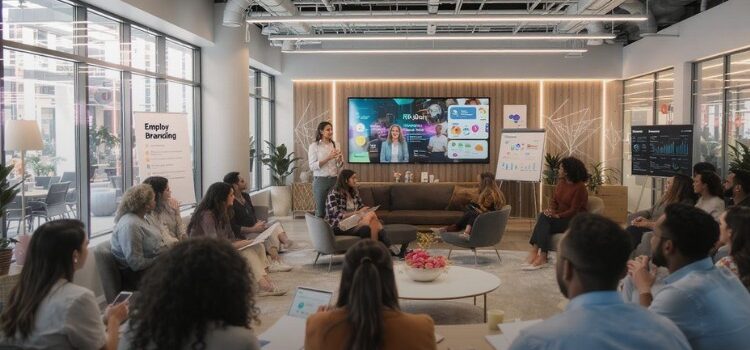
In an era where talent defines business success, organizations are realizing that a Strong Employer Brand is more than a recruitment tool it’s a strategic advantage. As competition for skilled professionals intensifies across industries, the perception of a company as an employer becomes a key differentiator. A well-built employer brand not only attracts top talent but also improves retention, employee morale, and overall company reputation.

In 2025, where digital visibility, hybrid work, and purpose-driven employment dominate professional priorities, crafting a Strong Employer Brand has become both an art and a science. Let’s explore the five proven ways that companies can build a reputation that draws in the best people and keeps them engaged for the long haul.

1. Define and Communicate a Clear Employer Value Proposition (EVP)

A Strong Employer Brand begins with a clear and authentic Employer Value Proposition (EVP). The EVP outlines what employees gain in exchange for their contributions the culture, values, benefits, and career growth opportunities that make your organization unique.

To develop a compelling EVP, organizations must begin with introspection:

  • What makes your company a great place to work?
  • How do employees describe the workplace experience?
  • What core values shape leadership and daily interactions?

Once these answers are defined, ensure that your EVP is consistently communicated across all channels your career site, job descriptions, and social media presence. A clearly articulated EVP resonates deeply with candidates who seek purpose, recognition, and a sense of belonging.

When companies live by their values and reinforce them publicly, they position themselves as authentic, trustworthy, and employee-first hallmarks of a Strong Employer Brand.

2. Prioritize Employee Experience and Internal Advocacy

Your current employees are the most credible ambassadors of your Strong Employer Brand. Happy employees who feel valued and empowered become natural advocates, amplifying your reputation through authentic stories and testimonials.

To strengthen internal advocacy, focus on the full employee lifecycle from onboarding to ongoing career development. Encourage a culture of transparency and feedback, where employees feel heard and respected. Provide professional growth opportunities, mental wellness programs, and flexible work arrangements that support modern needs.

Companies can also create employee advocacy programs that enable team members to share their experiences online. Real employee voices humanize the brand, providing genuine insights into the organization’s culture. This not only boosts talent attraction but also enhances retention, as employees take pride in being part of a respected brand.

A Strong Employer Brand thrives when employees feel that their organization is invested in their long-term success, both personally and professionally.

3. Invest in a Strong Digital and Social Presence

In 2025, digital visibility plays a decisive role in building a Strong Employer Brand. Prospective candidates research potential employers across LinkedIn, Glassdoor, and other platforms before even applying. The online narrative surrounding your organization significantly influences perception.

Ensure that your digital presence reflects authenticity and professionalism. Regularly share content that highlights company culture, innovation, and achievements. Feature employee success stories, behind-the-scenes moments, and thought leadership posts that position your company as a forward-thinking and inclusive workplace.

Social platforms are powerful storytelling tools. A company that shows transparency through leadership communication, diversity initiatives, and social responsibility campaigns naturally builds credibility and trust.

Candidates are not only looking for job stability but also alignment with their personal values. A consistent and engaging digital presence reinforces the idea that your organization is modern, inclusive, and people-centric all core aspects of a Strong Employer Brand.

4. Create a Culture of Purpose and Inclusion

Today’s workforce is driven by more than just compensation. Employees, especially millennials and Gen Z professionals, seek meaning, inclusivity, and opportunities to make an impact. A Strong Employer Brand is deeply rooted in purpose a clearly defined mission that employees can rally behind.

Organizations that embed purpose into their operations attract individuals who are motivated by shared values. Aligning your company’s mission with social good, sustainability, or community engagement resonates with top talent who want their work to have a larger impact.

Equally important is fostering inclusion. A diverse workplace that embraces equality, accessibility, and different perspectives enhances creativity and collaboration. Inclusion is not a slogan it’s a lived experience that shapes employee engagement and external perception alike.

Building a Strong Employer Brand in 2025 means ensuring that every employee, regardless of background, feels valued, empowered, and heard. This not only improves recruitment outcomes but also fuels long-term innovation and loyalty.

5. Leverage Data and AI to Refine Employer Branding Strategies

In a data-driven world, intuition alone is not enough to shape a Strong Employer Brand. Companies now rely on analytics and AI-powered insights to measure brand perception, monitor engagement, and optimize their talent strategies.

By tracking key metrics such as employee satisfaction scores, Glassdoor reviews, social engagement, and retention rates, HR leaders can identify what’s working and where improvement is needed. AI tools can analyze sentiment across digital channels to understand how potential candidates perceive your brand.

This data-driven approach enables organizations to refine their messaging, improve candidate experience, and target specific talent pools more effectively. Predictive analytics also help forecast hiring trends, allowing companies to stay ahead of evolving workforce needs.

The integration of AI into branding efforts ensures that your company remains relevant, responsive, and competitive in attracting top talent a critical factor in sustaining a Strong Employer Brand in 2025 and beyond.

The Future of Employer Branding

As the global talent landscape grows increasingly complex, a Strong Employer Brand will remain central to organizational success. In the coming years, companies that prioritize authenticity, inclusivity, and employee well-being will lead the charge in defining the future of work.

Employer branding is not just about external perception it’s about building a thriving internal culture where people feel valued and inspired to contribute. Those who master this balance will not only attract the best talent but also cultivate loyal employees who become lifelong advocates of the brand.

As Strong Employer Brand strategies continue to evolve in 2025, innovation will define success. Leverage AI-powered insights, authentic storytelling, and data-driven engagement with Businessinfopro. Transform how your brand attracts, retains, and empowers top talent in the competitive HR landscape.

As AI rapidly transforms industries, businesses must adapt quickly to stay competitive, manage complex workloads, and address evolving security threats. Transitioning to the latest devices provides the ideal solutions for the modern workforce.

DSeize the moment with the security to thrive anywhere and the performance to meet your boldest goals. Windows 11 Pro devices are easy to use and manage, with AI-enhanced efficiency and compatibility with existing technology including mission-critical apps and hardware.

Dell Technologies recommends Windows 11 Pro for business.

Download Modernize the Work Experience Whitepaper

Modernize the Work Experience

What’s in the infographic:

  • Choose the perfect tool for your team
  • Rely on tried-and-tested templates
  • Move smoothly between Wrike and Klaxoon
  • Make work flow from idea to execution

Transform team collaboration with Wrike and Klaxoon

Discover how Wrike and Klaxoon can make every collaboration fun and productive, from brainstorming to training, team building, and more.
Explore expert templates and nine interactive tools, including Board, Survey, Quiz, Memo, Session, and Adventure.

Turn inspiration into impact with Wrike and Klaxoon
Turbocharge your Wrike experience and deliver best-ever results with Klaxoon’s powerful visual collaboration tools.
Get Free Infographic

Download 9 top visual collaboration tools for your team Whitepaper

9 top visual collaboration tools for your team

JOIN MORE THAN 400 CLIENTS WHO HAVE CHOSEN OUR LEAD GENERATION AGENCY

The results speak for themselves. We now have experience providing sales lead generation services to more than 40 different industries, which is leveraged for each new project, setting it up for success.

Unsure about whether you can rely on our services?

DOWNLOAD THIS WHITE PAPER TO KNOW MORE ABOUT US

Download WHY SALESAR? Whitepaper

WHY SALESAR?

2025 is expected to bring increased market volatility, policy shifts, and new cybersecurity threats that could impact employee retirement savings. This white paper provides HR professionals with the insights they need to strengthen retirement benefits, support employee financial wellness, and navigate the evolving landscape with confidence.

As economic uncertainty looms in 2025, HR professionals face an increased challenge to safeguard their employees’ retirement benefits. With unstable market conditions and changes to legislation looming, the stakes have never been higher for employer-sponsored plans.

This white paper offers HR leaders expert insights into the changing retirement landscape and practical strategies to help employees build more secure financial futures. From macroeconomic trends to plan design enhancements and employee education, you’ll gain tools to strengthen your benefits offerings and foster employee trust.

Download now to explore:

  • The key factors affecting retirement planning in 2025
  • How potential policy changes under a Republican-controlled Congress may impact employer-sponsored plans
  • Strategies for integrating lifetime income options and improving retirement plan education
  • Cybersecurity best practices to protect plan data and participant assets
  • Approaches for talking about long-term strategy during a fluctuating market

Download now to elevate your benefits strategy and empower employees to retire with confidence.

4437161

The views expressed in this material may change in response to changing economic and market conditions.

Past performance is not indicative of future returns. Any guarantees are backed by the claims-paying ability of the issuing company.

This material is for informational or educational purposes only and is not fiduciary investment advice, or a securities, investment strategy or insurance product recommendation. This material does not consider an individual’s own objectives or circumstances which should be the basis of any investment decision.

Investment, insurance and annuity products are not FDIC insured, are not bank guaranteed, are not deposits, are not insured by any federal government agency, are not a condition to any banking service or activity, and may lose value.

TIAA-CREF Individual & Institutional Services, LLC, Member FINRA, distributes securities products. Advisory services are provided by Advice & Planning Services, a division of TIAA-CREF Individual & Institutional Services, LLC, a registered investment adviser. Annuity contracts and certificates are issued by Teachers Insurance and Annuity Association of America (TIAA) and College Retirement Equities Fund (CREF), New York, NY. Each is solely responsible for its own financial condition and contractual obligations.

Investment products may be subject to market and other risk factors. See the applicable product literature or visit TIAA.org for details.

Offered Free by: TIAA

Download Trends 2025: What to Watch in the Retirement Industry Whitepaper