
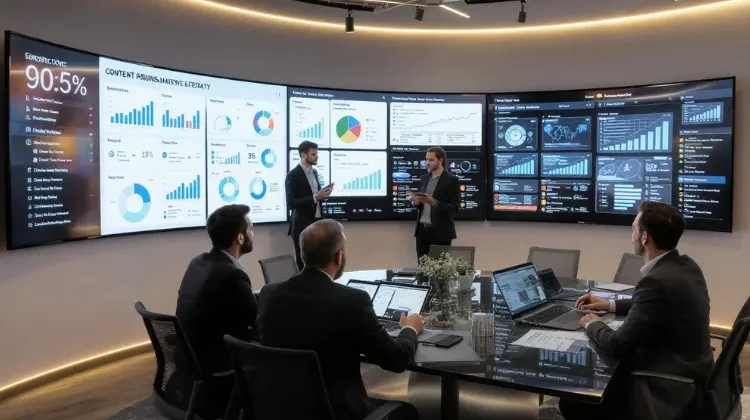

A new era of intelligent workplaces

The modern workplace is undergoing a powerful shift as artificial intelligence becomes deeply embedded in everyday operations. This change is not limited to automation or efficiency alone. Instead the AI revolution is redefining how organizations communicate collaborate and support their people. As businesses adapt to digital transformation employee expectations are evolving just as quickly. Workers now seek purpose flexibility and meaningful engagement and intelligent technologies are playing a critical role in meeting those needs.

Across global organizations leaders are using technology insights to rethink traditional workplace models. This shift is creating environments that value creativity transparency and continuous learning while also enhancing employee satisfaction in measurable ways.

How AI is reshaping workplace culture

Workplace culture has always been shaped by leadership behavior processes and communication. Today artificial intelligence adds a new dimension by enabling data driven decision making and personalized experiences. Tools powered by AI help organizations understand employee sentiment identify skill gaps and predict engagement trends before issues escalate.

As a result managers can move from reactive problem solving to proactive cultural development. HR teams are increasingly relying on AI driven analytics to support inclusive hiring fair evaluations and unbiased performance reviews. These developments align closely with current HR trends and insights where fairness and transparency are central to long term success.

Moreover intelligent collaboration platforms are breaking down silos. Employees can connect across departments and time zones more easily which strengthens trust and fosters a sense of belonging.

Enhancing employee satisfaction through smart systems

Employee satisfaction improves when work feels meaningful manageable and supported. AI contributes by removing repetitive tasks and allowing individuals to focus on creative and strategic responsibilities. Automation in scheduling reporting and data entry reduces burnout and frees time for innovation.

Personalized learning systems are another major driver of satisfaction. By analyzing individual strengths and career goals AI based platforms recommend relevant training opportunities. This approach not only boosts morale but also supports retention by showing employees a clear path for growth.

In parallel organizations are aligning these initiatives with IT industry news and emerging tools to stay competitive. When employees see their workplace investing in modern solutions they feel valued and future ready.

The role of leadership in the AI powered workplace

While technology sets the foundation leadership determines success. The most effective leaders view AI as an enabler rather than a replacement for human potential. They focus on empathy communication and trust while using insights from intelligent systems to guide decisions.

Transparency is essential during this transition. Employees must understand how AI tools are used and how data impacts decisions. Clear communication reduces fear and builds confidence. This balance between innovation and humanity is becoming a defining feature of strong workplace cultures.

Additionally leaders who stay informed through marketing trends analysis and sales strategies and research are better equipped to align technology with business goals and employee expectations.

AI influence across business functions

The impact of artificial intelligence extends beyond HR and into every core function. In finance teams AI driven forecasting improves accuracy and supports smarter planning which aligns with ongoing finance industry updates. Reduced uncertainty creates stability and that stability directly affects employee confidence.

Sales teams benefit from predictive analytics that refine targeting and customer engagement. When sales professionals have access to actionable insights their performance improves and so does job satisfaction. Marketing departments use intelligent tools to analyze consumer behavior allowing teams to focus on strategy rather than manual analysis.

This interconnected use of AI creates a cohesive organizational ecosystem where culture and performance reinforce each other.

Balancing innovation with human connection

Despite its advantages the AI revolution requires careful implementation. Over reliance on automation can create distance if human interaction is neglected. Successful organizations prioritize ethical use transparency and continuous feedback.

Regular check ins open discussions and employee involvement in technology decisions help maintain trust. By blending advanced systems with strong interpersonal relationships companies can create environments that feel both innovative and supportive.

This balanced approach ensures that technology enhances rather than overshadows workplace culture.

Practical insights for building AI driven satisfaction

Organizations looking to maximize the benefits of artificial intelligence should start with clear objectives focused on people as much as productivity. Investing in upskilling programs ensures employees feel prepared rather than replaced. Encouraging cross functional collaboration allows teams to share insights and adapt more quickly.

Equally important is measuring impact beyond efficiency metrics. Engagement levels retention rates and employee feedback provide a more complete picture of success. When these indicators improve it signals that workplace culture is evolving in the right direction.

By staying aligned with technology insights and people focused strategies businesses can turn innovation into a lasting advantage.

Discover how intelligent strategies can elevate your workplace and empower your teams for long term success. Connect with BusinessInfoPro today to explore expert insights tailored to your business goals.

New Labour Codes Impact TCS Infosys HCLTech with ₹4,000 Crore Q3 Bill

The implementation of new labour codes has sent ripples across the Indian IT sector. Major players including TCS Infosys and HCLTech are reporting a combined Q3 bill of ₹4,000 crore attributed to compliance and restructuring costs. This development has become a focal point in IT industry news as organizations adjust to regulatory changes that affect payroll benefits employee contracts and operational planning.

Understanding the new labour codes

The new labour codes consolidate multiple existing labour laws into a single framework. The goal is to standardize employment terms enhance worker protection and ensure social security benefits are more accessible. However, this also introduces new compliance requirements that demand significant administrative effort. For large employers in the IT sector this translates into increased expenses and adjustments to HR policies.

Technology insights show that the automation of HR processes can ease some of the transition pressures. Companies are now investing in systems that track employee benefits maintain accurate records and generate reports that meet legal standards. While this requires upfront investment it ensures smoother operations and minimizes risk of penalties in the long term.

Financial implications for leading IT firms

The immediate financial impact on TCS Infosys and HCLTech is substantial. Finance industry updates indicate that the ₹4,000 crore Q3 bill includes contributions to provident funds revised gratuity calculations and compliance related expenditures. These costs, while significant, are seen as necessary investments in adhering to labour regulations and safeguarding long term business stability.

Sales strategies and research suggest that these additional expenses may also influence project pricing and contract negotiations. Organizations may revisit their cost structures to maintain profitability while continuing to deliver value to clients. Careful financial planning and scenario analysis become critical in such a regulatory environment.

HR trends and insights

HR trends and insights reveal that the new labour codes are reshaping workforce management strategies. Employee engagement programs benefits administration and talent retention efforts must all adapt to the revised legal framework. Companies are focusing on clear communication with staff to explain the implications of new policies and ensure transparency in payroll and benefits adjustments.

Furthermore, marketing trends analysis within the HR domain highlights the role of employer branding. Firms that successfully implement the codes while maintaining employee satisfaction are likely to attract top talent. This positions compliance not just as a legal obligation but also as a competitive advantage in talent acquisition.

Operational challenges and technology adoption

Adapting to the new labour codes requires robust operational changes. Technology insights indicate that cloud based HR platforms and payroll automation can help IT companies manage complex calculations and compliance reporting. Integration with existing systems ensures that operations continue smoothly without disruption.

IT industry news also emphasizes the importance of employee training. Staff responsible for HR operations must understand the nuances of the new laws to avoid errors that could result in fines or reputational damage. Investment in technology and skill development thus becomes a strategic priority.

Industry reaction and market perspective

Market analysts view the Q3 impact as a temporary but significant adjustment. Finance industry updates show that while the initial costs are high, standardized labour practices can reduce long term risk and improve workforce stability. Investors and stakeholders are watching closely how TCS Infosys and HCLTech manage these transitions and whether they can absorb the costs without affecting growth trajectories.

Marketing trends analysis further suggests that communicating compliance efforts effectively can enhance corporate reputation. Companies that demonstrate proactive adaptation to the new labour codes position themselves as responsible employers and industry leaders.

Lessons for other organizations

The experience of leading IT firms provides valuable lessons for other businesses. Prioritizing compliance, leveraging technology, and maintaining clear communication with employees are critical steps. Sales strategies and research underline the importance of integrating cost considerations into planning to avoid unexpected financial strain.

Companies outside the IT sector can also draw insights. The labour codes apply broadly across industries, and proactive preparation can prevent operational disruptions and strengthen human resource management practices. Understanding the interplay between finance, HR, and technology ensures a comprehensive approach to regulatory adaptation.

Practical insights for navigating the change

Adapting to new labour codes requires a mix of strategy and practical execution. Begin with a thorough assessment of current HR practices and identify gaps relative to the new legal framework. Use technology to automate tracking, reporting, and compliance management. Align finance and operations to anticipate additional costs while communicating transparently with employees. Regularly review the impact and refine processes based on real time feedback. These steps transform regulatory compliance into an opportunity for operational excellence rather than a burden.

Organizations that embrace these practices are likely to achieve sustainable growth and maintain workforce satisfaction. The TCS Infosys and HCLTech example underscores that while regulatory shifts can pose challenges, strategic adaptation ensures resilience and competitive advantage.

Connect with BusinessInfoPro for expert guidance on managing regulatory changes and optimizing HR strategy. Our team provides actionable insights to help your organization stay compliant and drive sustainable growth.

Source : peoplematters.in

Where to Discover the Best Tech Talent in a Competitive Market

Finding skilled technology professionals has become one of the biggest challenges for modern businesses. As digital transformation accelerates across industries companies are competing for the same limited pool of experts. Understanding where to discover the best tech talent in a competitive market requires a shift in mindset from traditional hiring to insight driven and people focused strategies.

How the tech talent landscape is evolving

The hiring environment has changed rapidly over the past few years. Remote work global collaboration and emerging technologies have expanded access while also increasing competition. Technology insights now influence recruitment decisions just as much as resumes and certifications.

At the same time IT industry news highlights how demand for specialists in cloud data security and automation continues to rise. Because of this employers must stay informed and adaptable to attract professionals who have multiple options.

Why traditional hiring channels fall short

Job boards and referrals still matter yet they no longer deliver consistent results on their own. Candidates are more selective and value purpose growth and flexibility. As a result companies that rely only on old methods often struggle to stand out.

HR trends and insights show that talent prefers environments that invest in learning and culture. Therefore discovery now happens through engagement rather than simple outreach. This shift changes how businesses approach recruitment strategy.

Leveraging professional networks and communities

Professional platforms and niche tech communities have become powerful discovery spaces. Developers designers and engineers actively participate in forums events and online groups where knowledge sharing takes priority.

These spaces offer more than resumes. They reveal passion problem solving skills and communication style. Consequently businesses that engage authentically in these communities improve their chances of finding the right fit while building long term relationships.

The role of employer branding in talent discovery

Employer branding directly impacts where to discover the best tech talent in a competitive market. Professionals research companies before applying and look for transparency values and growth opportunities.

Marketing trends analysis shows that storytelling matters in recruitment just as much as in customer engagement. When companies clearly communicate mission culture and impact they naturally attract candidates who align with their vision.

Using data and insights to guide hiring decisions

Data driven recruitment helps reduce guesswork. Analytics reveal which channels deliver quality candidates and which messages resonate most. This approach aligns hiring with sales strategies and research where measurement drives performance.

Finance industry updates also emphasize cost efficiency. Smarter discovery reduces time to hire and lowers recruitment expenses while improving retention. Over time this balance supports sustainable business growth.

Exploring alternative talent pools

Competitive markets demand creative thinking. Many companies now look beyond traditional credentials and focus on skills potential and adaptability. Bootcamps open source contributors and career switchers offer valuable talent when given the right support.

This approach also aligns with evolving HR trends and insights that promote inclusive hiring. By expanding criteria businesses unlock talent that competitors often overlook.

Partnering with industry focused platforms

Specialized recruitment platforms and industry partnerships streamline access to qualified professionals. These channels often combine vetting technology and human insight which improves match quality.

Because technology evolves quickly staying connected to trusted platforms helps companies remain relevant. This strategy supports consistent talent discovery even as market conditions shift.

Actionable insights for finding the right talent

To succeed where to discover the best tech talent in a competitive market businesses must combine insight strategy and authenticity. Start by understanding what modern professionals value beyond compensation. Invest in employer branding and community engagement. Use data to refine outreach and remain flexible in evaluating potential. When these elements work together talent discovery becomes a strategic advantage rather than a constant struggle.

Connect with BusinessInfoPro to gain expert guidance on smarter hiring strategies and workforce planning. Reach out today to turn industry insights into sustainable talent success.

How to Build a Strong Business Case for New HR Technology

Investing in new HR technology is no longer optional for modern businesses. As organizations aim to streamline operations and enhance employee engagement, understanding how to build a strong business case for new HR technology is crucial. This process requires more than presenting software features. It demands a strategic approach that aligns technology adoption with broader business objectives and industry trends.

Building a business case begins with identifying pain points within your existing HR systems. Outdated processes can slow recruitment cycles, hinder performance management, and reduce overall efficiency. By highlighting these challenges clearly, decision makers can appreciate the urgency of implementing a new HR solution. Framing these issues with concrete examples and measurable data strengthens your argument and provides a solid foundation for your proposal.

Once the problem is defined, the next step involves demonstrating the value of new HR technology. Here, focusing on the return on investment and operational improvements is essential. Illustrate how automation can reduce administrative workloads and free HR teams to focus on strategic initiatives. Share insights from technology insights and HR trends and insights that showcase proven benefits realized by similar organizations. This evidence adds credibility and reassures stakeholders that the investment is justified.

Integrating insights from IT industry news and finance industry updates can further reinforce your case. Emphasizing industry-wide shifts toward digital HR solutions highlights the risk of falling behind competitors. Additionally, linking financial metrics to HR technology outcomes, such as cost savings or productivity gains, strengthens the business rationale. When executives see clear connections between technology adoption and measurable performance indicators, they are more likely to support the initiative.

Effective communication is another cornerstone of a persuasive business case. Using clear and concise language ensures that non-technical stakeholders understand the strategic advantages of new HR technology. Avoid jargon and focus on outcomes that matter most to decision makers, such as improved employee engagement, faster onboarding, and enhanced compliance management. Supporting your narrative with visual aids or case studies from reputable sources can make complex concepts more tangible and memorable.

Exploring the alignment between HR technology and sales strategies and research can uncover additional value. For example, improved workforce analytics may inform better staffing decisions that support sales targets. Marketing trends analysis can also intersect with HR initiatives, as companies increasingly leverage employee experiences to enhance brand perception. Demonstrating these connections highlights the cross-functional benefits of adopting new technology.

Budget planning and risk assessment are critical components of a robust business case. Include a detailed cost analysis and consider both short-term and long-term financial impacts. Address potential risks transparently, such as implementation delays or employee adoption challenges, and propose mitigation strategies. By showing foresight and preparedness, you increase the confidence of decision makers in the feasibility of the project.

Finally, fostering collaboration across departments ensures the business case is comprehensive and realistic. Engaging IT, finance, and operations teams during the planning phase provides a holistic view of requirements and potential impacts. This collaborative approach not only strengthens the proposal but also encourages stakeholder buy-in and smoother implementation once the technology is approved.

Valuable Insights for HR Technology Investment

When crafting your business case, remember that successful adoption goes beyond selecting the right software. Continuous monitoring and optimization after implementation are essential. Gathering feedback from HR teams and employees can reveal opportunities for further improvement and innovation. Staying updated with HR trends and insights ensures your organization remains agile and responsive to evolving workforce needs.

Investing in HR technology is an opportunity to drive strategic transformation across the organization. By combining data-driven analysis, clear communication, and cross-departmental collaboration, you can build a strong business case that not only secures approval but also sets the stage for long-term success.

Reach out to BusinessInfoPro today to discover technology insights and strategies that elevate your HR initiatives. Let our expert guidance help you build a strong business case and stay ahead in IT industry news and HR trends and insights.

Source : hrmorning.com

The modern workplace has changed dramatically and organizations are now rethinking how success is measured. Appraisals in the Remote Work Age have become a strategic priority rather than a routine HR exercise. As teams operate across locations and time zones performance reviews must evolve to remain fair relevant and motivating. Consequently businesses that adapt quickly are seeing stronger engagement and clearer accountability.

At the same time digital collaboration tools real time reporting and virtual leadership models are influencing how employees contribute and how managers observe outcomes. Therefore appraisals in the Remote Work Age demand a fresh approach built on trust clarity and continuous communication.

The Changing Nature of Performance Visibility

In traditional offices performance was often linked to visibility and physical presence. However remote environments rely more on outcomes than observation. As a result appraisals in the Remote Work Age focus on deliverables quality of work and consistency over time. This shift encourages employees to take ownership while allowing managers to evaluate performance with greater objectivity.

Moreover technology insights now play a crucial role. Project management platforms analytics dashboards and collaboration tools offer measurable data that supports transparent assessments. When used correctly this data strengthens trust and reduces bias.

Aligning Reviews With Modern HR Expectations

HR teams are adjusting frameworks to reflect current HR trends and insights. Performance discussions are becoming more frequent and less formal which helps employees stay aligned with goals. Instead of annual reviews many organizations are adopting quarterly or even monthly check ins.

Additionally appraisals in the Remote Work Age emphasize skill development and well being. Employees working remotely often face isolation or burnout. Therefore thoughtful reviews address both productivity and personal growth creating a balanced evaluation experience.

Technology Driven Feedback and Evaluation

Digital transformation has reshaped how feedback is delivered. Virtual meetings shared documents and performance tracking systems allow managers to provide timely input. As IT industry news continues to highlight advances in artificial intelligence and automation appraisal systems are becoming smarter and more predictive.

Furthermore technology insights enable organizations to connect individual performance with broader business objectives. This integration supports informed decision making across departments including finance industry updates forecasting sales strategies and research planning and marketing trends analysis.

Building Fairness and Consistency Across Teams

One challenge in remote settings is maintaining consistency across distributed teams. Clear criteria and documented expectations are essential. Appraisals in the Remote Work Age succeed when employees understand how their work is evaluated and how success is defined.

Equally important is manager training. Leaders must learn to communicate expectations clearly and listen actively. When managers adapt their style to virtual environments reviews become more meaningful and actionable.

Linking Performance to Business Growth

Effective appraisals are not isolated HR tasks. They influence revenue innovation and customer satisfaction. Insights gathered during reviews often inform sales strategies and research priorities while also shaping marketing trends analysis. Therefore performance reviews directly support long term business resilience.

When employees see a clear connection between their efforts and organizational outcomes motivation increases. Consequently appraisals in the Remote Work Age become a driver of engagement rather than a source of anxiety.

Practical Insights for Smarter Remote Appraisals

To improve appraisal outcomes organizations should focus on goal clarity regular communication and data supported feedback. Encouraging self assessments can also deepen reflection and accountability. Most importantly reviews should remain forward looking helping employees understand how to grow within evolving roles.

Leaders who embrace flexibility and empathy are better positioned to manage remote teams successfully. Over time these practices build a culture of trust adaptability and continuous improvement.

BusinessInfoPro helps organizations navigate modern workforce challenges with clarity and confidence. Connect with BusinessInfoPro today to transform your performance strategies into sustainable business success.

Dell Prepares Staff for Major Companywide Systems Overhaul in May

Dell Technologies has announced plans to conduct a major companywide systems overhaul in May. This initiative demonstrates the company’s ongoing commitment to innovation and operational efficiency. Staff members across all departments must prepare for significant workflow changes, as technology upgrades and process improvements will play a central role.

Embracing Technology Insights for a Smooth Transition

The upcoming overhaul emphasizes the importance of staying current with technology insights. Dell’s IT teams actively ensure that all systems remain compatible with the latest software updates and security protocols. They encourage employees to participate in internal training sessions and adopt new tools that streamline daily tasks. By leveraging technology insights proactively, the company improves productivity while minimizing operational disruptions.

Moreover, these preparations allow Dell to identify potential issues early, which helps teams implement solutions faster. As a result, employees can transition to the new systems with confidence and efficiency.

Impact on HR Trends and Insights

Dell’s human resources departments play a central role in this transition. The company recognizes that large-scale updates can directly affect employee workflows and morale. By integrating HR trends and insights, Dell provides guidance on adapting to new platforms and ensures employees access the resources they need.

This approach reinforces HR’s role in managing organizational change and promoting a resilient workplace culture. Additionally, HR teams actively monitor staff feedback and adjust support measures to maintain engagement throughout the implementation process.

IT Industry News Highlights Dell’s Strategic Move

Industry experts already spotlight Dell’s overhaul in IT industry news due to its scale and ambition. Analysts note that the initiative could set a benchmark for how large enterprises manage system-wide updates. By combining network infrastructure enhancements with improved data management systems, Dell strengthens its position as a technology leader in a competitive market.

Furthermore, IT teams coordinate closely with other departments, ensuring that digital transformation integrates seamlessly across operations. This proactive strategy demonstrates Dell’s focus on long-term technological growth.

Finance Industry Updates and Operational Efficiency

Dell’s finance teams actively prepare for the overhaul by optimizing financial reporting, budgeting, and forecasting processes. By aligning operational tools with the latest technology, they reduce inefficiencies and improve accuracy. Finance industry updates confirm that implementing advanced systems supports better decision-making and provides a clearer view of the company’s financial health.

These upgrades allow Dell to react quickly to market changes while maintaining robust internal controls. As a result, finance teams can focus on strategic priorities rather than routine operational tasks.

Sales Strategies and Research in a New System Environment

Sales departments will adopt new CRM platforms and reporting tools during the overhaul. Dell aligns sales strategies and research with upgraded systems to provide teams with actionable data and insights that drive growth. Employees actively familiarize themselves with these systems in advance, which ensures sales operations continue smoothly and improves market analysis capabilities.

Additionally, integrating sales research with technology insights allows the company to make informed strategic decisions quickly. Teams can adjust campaigns, refine targeting, and monitor performance effectively.

Marketing Trends Analysis and Digital Transformation

Marketing teams also benefit from the overhaul by gaining access to advanced analytics platforms and campaign management tools. By integrating marketing trends analysis with upgraded systems, teams can make data-driven decisions, optimize campaigns, and enhance customer engagement.

This digital transformation reinforces Dell’s commitment to modernizing operations. Consequently, marketing efforts remain efficient, impactful, and aligned with broader business goals.

Preparing Staff for Change and Future Opportunities

The success of this overhaul depends on how well staff adapts to the new systems. Dell actively provides training, guidance, and regular updates to ensure employees are prepared. By emphasizing continuous learning and adaptability, the company empowers staff to leverage new systems and seize future growth opportunities.

Furthermore, ongoing support helps employees feel confident while navigating changes. Teams that embrace this approach can optimize workflows and contribute to the company’s long-term success.

Actionable Knowledge for Businesses Undergoing Systems Overhauls

Organizations planning similar updates can draw valuable lessons from Dell’s strategy. Prioritizing technology insights, integrating HR trends and insights, and maintaining clear communication across departments minimizes disruption. Involving finance, sales, and marketing teams early aligns strategies and ensures operational goals are met efficiently.

Staying informed and proactive allows businesses to transform potential challenges into opportunities. Investing in employee training and leveraging data-driven tools strengthens resilience and positions organizations for sustainable growth.

Dell’s commitment to modernizing systems sets a model for balancing innovation with operational stability. Companies that adopt similar approaches can prepare for large-scale changes while keeping employees engaged, productive, and informed.

Discover more insights on technology updates and business strategies by connecting with BusinessInfoPro today. Stay ahead in IT industry news and HR trends and insights to make informed decisions for your organization.

Source : peoplematters.in

Understanding the Shift in Workplace Engagement

The global health crisis transformed the way organizations operate and interact with their workforce. While uncertainty dominated headlines many companies noticed a surprising outcome. Why employee engagement increased during the pandemic became a question that leaders analysts and researchers across industries began to explore seriously. Contrary to early fears engagement levels improved as employees adapted to new work environments and organizational priorities evolved rapidly.

This shift did not happen overnight. Instead it emerged from structural changes in communication leadership trust and the adoption of digital tools. As a result businesses across sectors including finance technology and marketing began reassessing long held assumptions about productivity and motivation.

Remote Work and the Rise of Trust

One of the strongest contributors to improved engagement was the widespread adoption of remote work. When offices closed organizations were forced to rely on trust rather than physical supervision. Employees were given greater autonomy to manage their schedules which in turn boosted accountability and ownership.

Consequently many professionals felt respected and valued. This cultural shift aligned closely with HR trends and insights that emphasized flexibility and mental wellbeing. Over time trust replaced micromanagement and engagement levels responded positively. This change also influenced sales strategies and research as teams became more outcome focused rather than hour driven.

Technology as a Human Connector

Digital transformation accelerated during the pandemic and technology insights played a critical role in keeping teams connected. Collaboration platforms virtual meetings and cloud based systems allowed work to continue seamlessly. More importantly they encouraged transparency and frequent communication.

In the context of IT industry news this period marked a turning point where technology was no longer seen only as infrastructure. Instead it became a bridge between people ideas and goals. As communication improved employees felt included informed and aligned with company direction which helped explain why employee engagement increased during the pandemic for many organizations.

Leadership Became More Empathetic

Leadership styles shifted noticeably during this period. Managers were no longer interacting with teams in controlled office settings. They saw employees in their home environments which humanized professional relationships. This visibility encouraged empathy flexibility and understanding.

Moreover leaders communicated more frequently about business challenges performance expectations and wellbeing. This openness strengthened trust and reduced anxiety. In turn engagement improved because employees felt supported during uncertain times. Finance industry updates during this period also showed companies prioritizing long term workforce stability over short term gains.

Purpose Driven Work Gained Importance

Another reason engagement levels improved was a renewed sense of purpose. During the crisis many employees reassessed their values and career goals. Organizations that communicated a clear mission and demonstrated social responsibility resonated strongly with their teams.

Marketing trends analysis revealed that purpose driven brands performed better both externally and internally. Employees were more motivated when they felt their work contributed to something meaningful. This alignment between personal values and organizational goals reinforced commitment and engagement.

Work Life Integration Improved

While work life balance was initially a challenge it gradually improved for many employees. Eliminating daily commutes allowed more time for family personal development and rest. Companies that respected boundaries and encouraged healthy routines saw higher morale.

This improvement directly addressed long standing issues highlighted in HR trends and insights. When employees felt their personal lives were respected engagement naturally increased. This factor continues to influence why employee engagement increased during the pandemic even as hybrid models become more common.

Data Driven Feedback and Recognition

With digital tools in place organizations gained better visibility into performance and feedback. Regular check ins pulse surveys and virtual recognition programs became common. These practices made employees feel heard and appreciated.

Sales strategies and research during this period showed that recognition had a direct impact on motivation. Similarly internal engagement metrics reflected improved sentiment when feedback loops were consistent and genuine. Recognition no longer depended on physical presence which leveled the playing field.

Valuable Insights for Modern Organizations

The lessons from this period remain highly relevant. Companies that continue to invest in trust flexible work models and empathetic leadership are better positioned for sustainable engagement. Technology insights should be used to enhance human connection rather than replace it. Leaders should stay informed through IT industry news and finance industry updates to anticipate workforce needs.

Additionally aligning organizational purpose with employee values and applying marketing trends analysis internally can strengthen culture. These insights demonstrate that engagement is not tied to location but to leadership mindset and organizational design.

Connect with BusinessInfoPro to explore deeper insights that help your organization adapt and grow in a changing business environment. Reach out today and discover how expert driven content can support smarter leadership and stronger engagement strategies.

7 Ways Stay Interviews Boost Employee Retention and Engagement

In today’s competitive corporate landscape, retaining top talent is more crucial than ever. Organizations are constantly exploring strategies to keep employees engaged and satisfied. One approach that has gained attention is stay interviews. Unlike exit interviews that happen when employees leave, stay interviews focus on understanding why employees remain and what keeps them motivated. Implementing stay interviews can significantly impact employee retention and overall engagement.

Understanding the Value of Stay Interviews

Stay interviews provide a platform for open dialogue between managers and employees. They allow leaders to understand personal motivations, career aspirations, and potential concerns before they escalate. This proactive approach aligns with current HR trends and insights, helping organizations reduce turnover and foster a positive work culture. Technology insights have shown that organizations leveraging structured feedback mechanisms gain a measurable advantage in employee satisfaction.

Enhancing Employee Engagement Through Dialogue

A fundamental way stay interviews boost employee retention is by enhancing engagement. When employees feel heard and valued, their connection to the organization strengthens. IT industry news highlights that companies investing in employee communication tools often see higher levels of engagement. Stay interviews create a consistent feedback loop, providing employees with a sense of purpose and belonging while allowing managers to address concerns promptly.

Identifying Career Growth Opportunities

Employees often leave organizations due to perceived lack of growth. Stay interviews uncover career development desires and enable leaders to create personalized growth plans. Finance industry updates emphasize the importance of aligning employee development with business objectives to maximize retention. Understanding individual aspirations ensures employees remain motivated and committed, ultimately supporting the organization’s long-term strategy.

Strengthening Management and Leadership Skills

Conducting stay interviews requires managers to actively listen, empathize, and respond effectively. These interactions strengthen leadership skills, fostering a culture of trust and transparency. HR trends and insights suggest that managers who consistently engage in meaningful conversations with their teams are more successful in reducing turnover. Over time, these skills translate into improved performance across the organization.

Anticipating and Resolving Workplace Challenges

Stay interviews help organizations anticipate potential issues before they escalate. Employees often share concerns related to workload, team dynamics, or company policies. Addressing these concerns proactively aligns with sales strategies and research indicating that early problem-solving improves team morale and productivity. By understanding challenges from the employee perspective, companies can implement meaningful changes that positively impact retention.

Boosting Organizational Loyalty and Commitment

Employees who participate in stay interviews often report a stronger sense of loyalty. Knowing that the organization values their input and invests in their experience fosters long-term commitment. Marketing trends analysis shows that businesses with high employee engagement also experience enhanced brand reputation and customer satisfaction. Stay interviews are a strategic tool to reinforce loyalty while supporting business growth.

Driving Data-Driven HR Decisions

The insights gathered from stay interviews contribute to data-driven decision-making. Organizations can analyze trends, identify areas for improvement, and refine policies to meet employee expectations. Technology insights and IT industry news confirm that leveraging employee feedback data improves HR strategy effectiveness. These insights also complement finance industry updates and marketing trends analysis by creating a more agile, responsive workforce.

Creating a Culture of Continuous Improvement

Stay interviews encourage a culture where feedback is continuous rather than reactive. Employees feel empowered to share ideas, and leaders gain a deeper understanding of team dynamics. HR trends and insights highlight that continuous engagement initiatives foster innovation and collaboration. Organizations that embrace this approach benefit from reduced turnover, increased productivity, and a more committed workforce.

Insights and Actionable Knowledge for Leaders

Organizations looking to maximize the impact of stay interviews should approach them with structure and intention. Scheduling interviews regularly and ensuring confidentiality builds trust. Managers should focus on listening actively, asking open-ended questions, and following up with tangible actions. Integrating findings from stay interviews into broader HR strategies and linking them to technology insights and sales strategies research ensures a more holistic approach to employee retention.

Stay interviews are not just a tool for HR teams; they represent a strategic lever that connects employee satisfaction with business performance. Companies that implement these interviews effectively gain a competitive edge by fostering engagement, loyalty, and continuous improvement across departments.

Reach out to BusinessInfoPro to unlock advanced HR trends and insights that can transform employee retention strategies. Connect with us today to discover actionable solutions tailored for your organization.

Source : shrm.org

Personality Assessments for Stronger Team Building and Collaboration

Modern workplaces thrive on collaboration yet many teams struggle to communicate effectively or align around shared goals. Personality assessments for stronger team building and collaboration have emerged as a practical approach for organizations seeking to build trust improve productivity and reduce internal friction. When used thoughtfully these tools help leaders understand how individuals think respond and work best together which ultimately shapes healthier professional relationships.

As businesses evolve alongside technology insights and changing workforce expectations understanding people has become just as important as understanding processes. Therefore personality based strategies are no longer limited to recruitment alone but are now embedded in daily team development practices.

Understanding workplace behavior through personality science

Every team consists of individuals with different communication styles motivations and problem solving approaches. Personality assessments provide a structured way to identify these differences while offering a common language to discuss them. Rather than labeling employees these frameworks highlight strengths preferences and potential blind spots that influence teamwork.

Because teams today are often hybrid or cross functional misunderstandings can easily arise. However when leaders apply personality assessments for stronger team building and collaboration they create clarity. As a result team members begin to appreciate diverse perspectives instead of resisting them. This shift encourages empathy which is a foundation for long term collaboration.

Building trust and psychological safety in teams

Trust does not happen automatically in professional settings. It develops gradually through understanding respect and consistent interaction. Personality assessments support this process by helping individuals recognize how their actions affect others. When people understand why colleagues react differently to stress feedback or deadlines they become more patient and open minded.

In addition this approach aligns closely with HR trends and insights that emphasize psychological safety. Teams that feel safe expressing ideas tend to innovate more freely and resolve conflicts faster. Consequently collaboration becomes smoother and decision making improves across departments.

Improving communication and collaboration outcomes

Communication challenges are often rooted in personality differences rather than technical skill gaps. Some employees prefer direct discussions while others value time for reflection. Personality assessments bring these preferences to the surface and help teams adjust their communication styles accordingly.

Moreover when organizations integrate personality assessments for stronger team building and collaboration into onboarding and training programs they reduce friction early. Over time teams develop shared norms that support clarity and accountability. This is particularly relevant in fast paced environments shaped by IT industry news where rapid coordination is essential for success.

Supporting leadership development and team performance

Effective leaders understand their teams beyond job descriptions. Personality assessments give managers insight into how to motivate individuals manage conflict and delegate tasks more effectively. By recognizing personality driven work styles leaders can align responsibilities with natural strengths.

This leadership approach also supports business resilience. Whether responding to finance industry updates or adapting sales strategies and research teams benefit from leaders who understand how personality influences performance under pressure. As a result teams remain agile even during periods of change.

Aligning team dynamics with business strategy

Team collaboration directly impacts organizational goals. When collaboration breaks down productivity suffers and strategic initiatives stall. Personality assessments help align team dynamics with broader objectives by ensuring that diverse personalities contribute meaningfully to shared outcomes.

Furthermore marketing teams navigating marketing trends analysis or sales departments adjusting outreach strategies often require close collaboration across roles. Personality awareness enhances cross team cooperation which leads to more consistent execution and stronger results.

Integrating personality assessments into modern workplaces

To gain lasting value organizations must use personality assessments as developmental tools rather than evaluation metrics. When introduced transparently and supported by leadership they become part of a learning culture. Employees feel empowered to grow rather than judged.

Additionally technology platforms now make assessments easier to administer and interpret. Combined with ongoing feedback these tools support continuous improvement. This approach reflects broader technology insights where data driven decisions enhance human centered strategies.

Practical insights for leaders and organizations

Leaders who embrace personality assessments for stronger team building and collaboration often notice improved morale and clearer communication. However success depends on thoughtful implementation. Teams benefit most when assessments are paired with open dialogue coaching and real world application. Encouraging regular reflection helps employees translate insights into daily actions.

Organizations should also revisit assessments periodically as teams evolve. Changing roles new responsibilities and external pressures can shift how personalities interact. Staying proactive ensures that collaboration remains strong even as business priorities change.

For tailored guidance on building collaborative teams through proven frameworks connect with BusinessInfoPro today. Our experts help organizations turn people insights into sustainable performance and growth.

USCIS Shifts H-1B Lottery to Wage-Based Selection System

The United States Citizenship and Immigration Services has announced a major change in how H-1B visas are allocated. The random lottery system that once governed this process is now being replaced by a wage-weighted selection method. This shift is expected to transform how companies approach international hiring, particularly within the technology and IT sectors.

For decades, the H-1B lottery provided an equal opportunity for applicants regardless of compensation. However, the new system prioritizes candidates based on their offered wages. Higher-paid applicants now have a greater chance of securing a visa. This change aligns with broader HR trends and insights aimed at attracting top talent while promoting fair compensation in the labor market.

Implications for the Technology Sector

This new approach is particularly significant for the technology industry. Companies that rely heavily on highly skilled IT professionals must now adjust their recruitment strategies to remain competitive. Technology insights suggest that firms offering higher salaries will naturally attract more skilled applicants, creating a shift in talent distribution across the sector.

Additionally, IT industry news indicates that smaller startups may face challenges in competing with large enterprises that can afford to offer premium wages. As a result, companies are exploring creative strategies, including signing bonuses and flexible benefits, to make their offers more appealing to potential H-1B candidates.

HR Trends and Insights in the Wage-Based Era

From an HR perspective, the wage-based lottery introduces a new layer of strategic planning. Human resources teams are now evaluating how compensation structures affect recruitment success. HR trends and insights reveal that organizations focusing on employee value propositions, such as professional growth and work-life balance, can still attract top talent even if they cannot match the highest wages.

Moreover, this shift encourages companies to conduct thorough salary benchmarking. By understanding prevailing market rates, HR leaders can design competitive packages that increase the likelihood of H-1B selection while supporting long-term retention.

Finance Industry Updates and Organizational Planning

Finance industry updates suggest that the wage-based selection system may impact budget planning for international hiring. Organizations must account for potential increases in compensation costs to remain competitive in securing visas. This consideration is particularly relevant for firms expanding operations in the US or managing global teams with diverse skill sets.

Sales strategies and research indicate that the ability to offer competitive wages can influence not only hiring success but also overall business performance. Companies that invest wisely in human capital are more likely to see improved productivity, innovation, and market reach.

Marketing Trends Analysis and Employer Branding

Marketing trends analysis shows that employer branding plays a critical role under the wage-based H-1B system. Companies with strong reputations as desirable workplaces can attract skilled professionals even if they are unable to match the highest salaries. Showcasing corporate culture, career development opportunities, and innovative projects has become a key differentiator.

Furthermore, integrating marketing strategies into recruitment campaigns helps communicate value beyond compensation. Engaging content, social media outreach, and personalized candidate experiences create a positive perception that can influence the likelihood of visa selection.

Navigating Transition and Future Outlook

Transitioning from a random lottery to a wage-weighted system is a significant shift for employers, candidates, and policy analysts alike. Businesses must now consider compensation, HR strategy, and market positioning holistically to succeed in securing top H-1B talent. Technology insights suggest that companies investing in digital recruitment tools, analytics, and talent management platforms will gain a competitive edge.

Looking forward, this change could lead to a more meritocratic system where compensation reflects skill and experience. However, it also requires organizations to balance budget constraints with the need to attract international expertise. Proactive planning and research-driven decision making are crucial for navigating this evolving landscape effectively.

Actionable Insights for Employers and Applicants

Companies seeking to maximize their chances under the new wage-based H-1B system should analyze current salary trends, benchmark roles against industry standards, and develop creative incentive packages. Applicants should focus on enhancing their market value through advanced certifications, specialized skills, and measurable achievements.

Additionally, integrating marketing strategies with HR initiatives can strengthen employer branding and appeal to high-caliber candidates. Sales strategies and research indicate that transparent communication about growth opportunities and compensation fairness increases trust and engagement among prospective employees.

Organizations should leverage technology insights and IT industry news to stay ahead in this competitive hiring environment. By aligning business goals with HR trends and insights, finance industry updates, and marketing trends analysis, companies can create a strategic approach that benefits both employers and skilled professionals.

Discover how BusinessInfoPro can guide your organization in adapting to the wage-based H-1B system. Reach out today to leverage expert insights and drive smarter hiring decisions.

Source : shrm.org