




Borrowing money has become a practical part of modern financial planning. Whether it is managing sudden expenses or spreading the cost of a planned purchase many consumers face the same dilemma Personal Loans vs Credit Card EMIs. Choosing the right option can influence monthly cash flow long term interest costs and overall financial stability. Therefore understanding how these two borrowing tools differ is essential for making informed decisions.

As finance industry updates continue to highlight changing interest rates and digital lending trends borrowers must stay aware of how each option fits their personal situation. While both solutions offer flexibility they serve different needs and come with distinct advantages.

Understanding how personal loans work in real scenarios

Personal loans are structured borrowing products that provide a fixed amount of money with a predefined repayment tenure. In the context of Personal Loans vs Credit Card EMIs this option often appeals to individuals who need funds for larger expenses such as medical costs education or consolidation of existing debt.

Because personal loans follow a fixed repayment schedule borrowers can plan their finances with greater certainty. Moreover interest rates are usually lower than revolving credit options which can reduce the total repayment amount over time. As a result many finance professionals recommend personal loans when predictability and discipline matter most.

Additionally technology insights have transformed the lending process. Digital verification faster approvals and transparent terms have made personal loans more accessible than ever before.

How credit card EMIs support flexible spending

Credit card EMIs convert high value purchases into manageable monthly payments. Within the comparison of Personal Loans vs Credit Card EMIs this option is often chosen for convenience. It allows consumers to use existing credit limits without submitting a new loan application.

Furthermore credit card EMIs can be activated instantly at checkout or after purchase. This ease of use makes them popular for electronics travel and lifestyle expenses. However interest rates may vary depending on the card issuer and promotional offers. Therefore borrowers should carefully review the terms before committing.

From a broader perspective marketing trends analysis shows that banks aggressively promote EMI options to encourage spending. While this creates short term affordability it can also lead to overspending if not monitored carefully.

Comparing interest costs and repayment impact

Interest cost is one of the most important factors when weighing Personal Loans vs Credit Card EMIs. Personal loans typically offer lower interest rates especially for borrowers with strong credit profiles. Over longer tenures this difference can result in substantial savings.

On the other hand credit card EMIs may appear affordable due to smaller monthly payments. However processing fees and higher interest can increase the overall cost. Therefore borrowers should evaluate the total payable amount rather than focusing only on monthly installments.

Sales strategies and research from financial institutions indicate that transparency around effective interest rates helps consumers make better decisions. Consequently taking time to calculate long term costs is always beneficial.

Credit score implications and financial discipline

Both borrowing options influence credit scores differently. In the Personal Loans vs Credit Card EMIs debate personal loans contribute to a diversified credit mix which can positively impact credit health when repayments are timely.

Credit card EMIs reduce available credit limits which may affect credit utilization ratios. If usage remains high it could place downward pressure on credit scores. However disciplined repayment can offset this effect and demonstrate responsible credit behavior.

HR trends and insights increasingly emphasize financial wellness programs. Employers now recognize that informed borrowing choices reduce stress and improve productivity.

Choosing the right option based on personal needs

The ideal choice between Personal Loans vs Credit Card EMIs depends largely on the purpose and duration of borrowing. For planned expenses with longer repayment horizons personal loans often provide stability and cost efficiency. In contrast short term purchases benefit from the flexibility of credit card EMIs when promotional rates are available.

Moreover IT industry news frequently highlights the role of fintech platforms in personal finance. These platforms offer comparison tools that help borrowers assess real time offers and repayment scenarios with clarity.

Therefore aligning borrowing choices with income patterns and financial goals remains crucial.

Industry trends shaping borrowing decisions

Current finance industry updates reveal a strong push toward digital lending and instant credit solutions. As a result consumers are presented with more options than ever before. However more choice also requires deeper understanding.

Marketing trends analysis shows that lenders focus heavily on convenience messaging. Meanwhile technology insights suggest that data driven risk assessment is influencing personalized interest rates. Staying informed helps borrowers navigate this evolving landscape confidently.

Actionable insights for smarter borrowing decisions

When evaluating Personal Loans vs Credit Card EMIs borrowers should begin by defining the purpose and repayment comfort. Reviewing total interest cost understanding credit score impact and assessing long term affordability leads to smarter outcomes. Keeping track of finance industry updates and using trusted comparison tools can further strengthen decision making. Most importantly borrowing should support financial growth rather than create unnecessary pressure.

For expert guidance on financial topics and evolving market trends connect with BusinessInfoPro today. Reach out to explore insights that empower smarter decisions across finance technology and business strategy.

USA Rare Earth Stock Surges 20% as Commerce Department Invests and the market response was immediate and decisive. Investors reacted positively as confidence grew around government backed participation in a strategic sector. Rare earth materials play a critical role in modern manufacturing and advanced technology. Therefore this move was seen as more than a financial transaction. It was viewed as a signal of long term policy support.

Moreover rising demand for clean energy defense applications and electronics has made rare earth supply chains a priority. Consequently the sharp rise in valuation reflects expectations of stable growth and reduced operational risk. At the same time broader finance industry updates show increasing institutional interest in resource security.

Why the Commerce Department investment matters

Government involvement often changes how markets perceive risk. In this case the Commerce Department equity participation adds credibility and reinforces strategic importance. As a result investors are reassessing the company growth potential and long term revenue outlook.

Additionally this development aligns with ongoing technology insights that emphasize domestic sourcing and supply chain resilience. Rare earth materials are essential for semiconductors batteries and electric vehicles. Therefore the investment fits into wider national priorities that extend beyond short term profits.

Meanwhile IT industry news continues to highlight how hardware innovation depends on stable access to critical minerals. This connection strengthens the case for sustained policy driven support.

Impact on the rare earth sector

The announcement did not affect just one stock. Instead it sparked renewed interest across the entire sector. Other companies operating in similar domains experienced increased trading activity as sentiment improved. However USA Rare Earth Stock Surges 20% as Commerce Department Invests stood out due to the direct nature of the involvement.

Furthermore analysts believe this could encourage additional public private partnerships. Such collaborations often accelerate infrastructure development and research efforts. Consequently the sector may witness improved efficiency and stronger competitive positioning.

From a marketing trends analysis perspective the narrative around sustainability and national capability has become more influential. Brands associated with these themes often benefit from enhanced public trust.

Strategic implications for investors

Investors are now weighing long term fundamentals rather than short term volatility. Government backed equity stakes typically indicate confidence in future demand and operational viability. Therefore many market participants are adjusting portfolios to include exposure to critical resource industries.

In addition finance industry updates suggest that strategic metals could become a defensive asset class. As global trade dynamics evolve these resources may provide stability during periods of uncertainty.

Sales strategies and research also point to downstream opportunities. Companies involved in processing manufacturing and distribution may see increased demand as supply chains localize. This creates a ripple effect that extends beyond mining alone.

Connection to workforce and operational trends

Although often overlooked HR trends and insights also play a role in this development. Expansion within specialized industries increases demand for skilled labor. Engineering research and compliance professionals become essential as projects scale.

Moreover companies benefiting from policy support often invest more in workforce development. This leads to improved retention and innovation capacity. Therefore the investment has implications not only for markets but also for employment patterns.

Meanwhile organizations across the sector are aligning internal processes with government standards. This compliance focus strengthens operational discipline and transparency.

Broader economic and policy context

USA Rare Earth Stock Surges 20% as Commerce Department Invests within a broader shift toward economic self reliance. Policymakers increasingly emphasize domestic production to reduce exposure to external disruptions.

At the same time technology insights reveal how advanced manufacturing relies on secure raw material access. This intersection of policy and innovation reinforces the strategic value of rare earth investments.

Additionally IT industry news frequently discusses supply bottlenecks and cost pressures. Government backed initiatives can help stabilize these variables over time.

What this means for future growth

Looking ahead sustained momentum depends on execution and market conditions. While government participation provides support companies must still deliver operational efficiency and scalability. Therefore investor optimism remains tied to measurable progress.

Nevertheless the current environment favors firms positioned within essential supply chains. USA Rare Earth Stock Surges 20% as Commerce Department Invests highlights how alignment with national priorities can unlock capital and credibility.

Marketing trends analysis shows that narratives around resilience and innovation resonate strongly with stakeholders. This perception advantage can translate into partnerships and customer trust.

Actionable insights for readers

Investors should monitor policy signals alongside traditional financial metrics. Government involvement often precedes regulatory support and infrastructure funding. Therefore tracking finance industry updates can provide early indicators of sector momentum.

Business leaders can also explore collaboration opportunities within strategic industries. Aligning operations with national priorities may open access to funding and partnerships.       

Professionals should consider how HR trends and insights point to emerging skill demands. Building expertise in critical sectors can offer long term career resilience.

For deeper analysis and timely updates connect with BusinessInfoPro to stay informed on market shifting developments. Reach out to BusinessInfoPro today and gain expert perspectives that support smarter business and investment decisions.

Source : cnbc.com

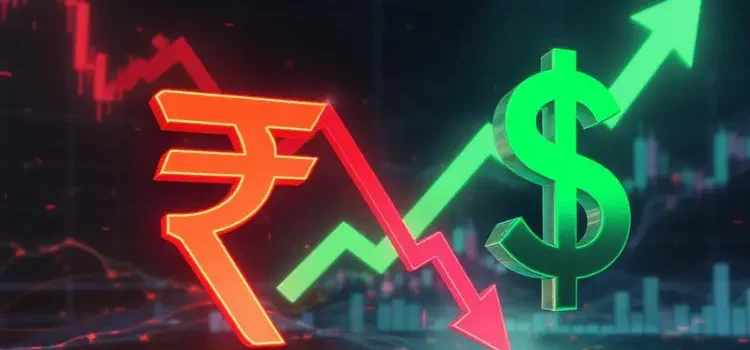
The Indian Rupee Hits Record Low of 91.99 Against US Dollar during intraday trade drawing sharp attention from investors policymakers and global markets. This milestone reflects a combination of global uncertainty domestic economic pressure and shifting capital flows. As currency volatility rises the impact extends well beyond foreign exchange desks and into corporate planning consumer confidence and long term growth expectations.

Moreover this movement highlights how closely India remains tied to global monetary trends. With the US dollar strengthening across major economies emerging market currencies are facing renewed stress. Consequently the rupee movement has become a key topic in Finance industry updates and boardroom discussions alike.

Global Forces Driving the Rupee Decline

Several global dynamics have played a role in pushing the rupee to this historic level. Persistent inflation concerns in advanced economies have kept interest rates elevated for longer than anticipated. As a result investors continue to favor dollar denominated assets which reduces capital inflows into emerging markets like India.

At the same time geopolitical tensions and uneven global growth have increased risk aversion. This has further strengthened the dollar while weakening regional currencies. From a broader perspective these developments frequently appear in IT industry news and Technology insights where analysts discuss how macroeconomic shifts influence digital transformation spending and cross border investments.

Domestic Pressures on the Indian Economy

While global trends set the tone domestic factors have added to the pressure. Rising import bills particularly for energy have widened the trade deficit. This increases demand for dollars and puts additional strain on the rupee. Furthermore cautious corporate earnings outlooks have limited foreign portfolio investments which traditionally support currency stability.

In addition domestic inflation management remains a balancing act for policymakers. Although economic growth remains resilient uncertainty around consumption and exports has weighed on sentiment. These concerns often intersect with HR trends and insights as companies reassess hiring plans compensation structures and workforce expansion strategies amid currency driven cost pressures.

Market Reaction and Sectoral Impact

The immediate reaction to the Indian Rupee Hits Record Low of 91.99 Against US Dollar has been mixed across sectors. Export oriented industries such as IT services may see short term benefits as overseas revenues translate into higher rupee earnings. This has been widely discussed in Technology insights and IT industry news where currency movements are closely tracked.

On the other hand import dependent sectors face rising costs which can compress margins and affect pricing strategies. Marketing teams and sales leaders are already adjusting forecasts and budgets. As highlighted in Sales strategies and research currency volatility often forces businesses to rethink market positioning and customer acquisition costs.

Policy Response and Central Bank Role

The Reserve Bank of India has traditionally acted to smooth excessive volatility rather than defend a specific level. In the current scenario market participants expect calibrated intervention to prevent disorderly movements. However policymakers must also preserve foreign exchange reserves and maintain monetary flexibility.

This delicate balance is closely watched in Finance industry updates since policy signals influence investor confidence. Meanwhile technology driven trading platforms and analytics tools are increasingly used to interpret central bank actions. These tools offer real time Technology insights that help institutions respond quickly to policy shifts.

Business Strategy in a Weaker Rupee Environment

For Indian businesses the currency movement is both a challenge and an opportunity. Companies with global exposure are revisiting hedging strategies and renegotiating contracts. At the same time leadership teams are aligning financial planning with operational resilience.

From a marketing perspective brands are refining messaging to address price sensitivity while maintaining trust. This aligns with Marketing trends analysis where adaptability and data driven decisions are emphasized. Internally HR leaders are also factoring currency trends into workforce planning and cross border hiring decisions which connects directly with HR trends and insights.

Strategic Insights for Decision Makers

Understanding the Indian Rupee Hits Record Low of 91.99 Against US Dollar requires more than tracking exchange rates. Decision makers should closely monitor global interest rate cues and geopolitical developments since these often trigger sharp currency reactions. Strengthening financial risk management and leveraging technology driven analytics can provide an edge in navigating volatility.

Additionally businesses should align finance strategy with sales and marketing planning to protect margins and sustain growth. Investing in scenario analysis and cross functional collaboration allows organizations to remain agile even when currency conditions remain uncertain.

Stay informed with BusinessInfoPro as we decode critical market movements and their real world business impact. Connect with our experts to gain deeper insights that help your organization stay resilient and competitive.

Source : thehindu.com

Across industries and income levels a growing number of professionals are asking the same uncomfortable question. Why does financial progress feel slower even when paychecks are higher than ever. The disconnect is real and it is shaping how people think about money career growth and long term stability. Understanding why you’re earning more than ever but saving much less money requires looking beyond salary figures and into how modern work and spending patterns have evolved.

The hidden cost of lifestyle expansion

As income rises spending habits tend to expand quietly and consistently. What once felt like a luxury soon becomes routine. Better housing frequent dining subscriptions and premium services slowly absorb the additional income. As a result savings never catch up. While earnings improve on paper the surplus disappears in everyday upgrades that feel justified by hard work and career success.

This pattern is reinforced by social exposure. Digital platforms showcase aspirational lifestyles daily. Consequently spending becomes less about need and more about keeping pace. Over time this creates financial pressure even for high earners and explains why you’re earning more than ever but saving much less money despite apparent growth.

Inflation reshaping everyday finances

Rising costs continue to erode purchasing power in subtle ways. Essentials such as housing education healthcare and transportation consume a larger share of monthly income than they did a decade ago. Even moderate inflation compounds over time and quietly reduces the ability to save.

Finance industry updates consistently show that real income growth often lags behind the true cost of living. Therefore even substantial salary hikes may only maintain current standards rather than improve financial security. This gap between income and expenses is a central reason savings rates continue to fall.

Career growth without financial strategy

Many professionals focus heavily on advancing their careers while postponing structured financial planning. Promotions bonuses and job switches increase income yet money management habits remain unchanged. Without a clear savings framework higher earnings simply flow through existing spending channels.

This issue is especially visible in fast growing sectors influenced by technology insights and IT industry news. Rapid career acceleration can create the illusion of financial safety. However without intentional planning rising income does not automatically translate into wealth accumulation.

Work culture and the pressure to spend

Modern work culture blurs the line between personal and professional life. Networking events travel remote work setups and personal branding often require additional spending. These expenses may not feel optional but they add up quickly.

HR trends and insights show that burnout and work related stress also contribute to emotional spending. When time is limited convenience becomes a priority and convenience often costs more. Over time this pattern reduces savings even as income climbs higher.

Easy credit masking real financial health

Access to credit has never been easier. Digital payments instant loans and buy now pay later options make spending frictionless. While these tools offer flexibility they also delay the psychological impact of spending.

When credit bridges the gap between income and expenses it creates a false sense of stability. Many people feel financially comfortable until repayment obligations start consuming future income. This cycle reinforces why you’re earning more than ever but saving much less money in practical terms.

Income growth tied to unstable expenses

Variable expenses have increased alongside income growth. Freelance work bonuses commissions and performance incentives fluctuate while fixed costs remain constant. This imbalance makes consistent saving difficult.

Sales strategies and research highlight that performance based income can drive irregular cash flow. Without adaptive budgeting savings often become the first area to suffer during lower income months even if annual earnings are strong.

The influence of constant marketing

Marketing trends analysis reveals how personalized advertising shapes consumer behavior. Algorithms target users based on income interests and browsing habits. As earnings increase marketing becomes more aggressive and precise.

This constant exposure encourages frequent upgrades and impulse purchases. Over time these decisions reduce the ability to build reserves. The effect is subtle but powerful especially for professionals who spend long hours online.

Saving feels outdated in a fast moving world

There is a growing perception that traditional saving is less effective than investing spending on experiences or upgrading skills. While investing and self development are valuable neglecting basic savings creates vulnerability.

Technology insights and finance industry updates often emphasize growth and opportunity. However stability still depends on consistent saving habits. Ignoring this foundation leaves even high earners financially exposed during unexpected disruptions.

Insights that can reshape your financial direction

Reversing the trend starts with awareness rather than restriction. Tracking spending patterns alongside income growth reveals where money truly goes. Aligning lifestyle choices with long term priorities restores balance between earning and saving.

Creating flexible saving systems that adapt to variable income improves consistency. Separating essential expenses from aspirational spending also clarifies decision making. Most importantly reframing savings as a tool for freedom rather than limitation changes behavior sustainably. Understanding why you’re earning more than ever but saving much less money becomes the first step toward rebuilding financial confidence.

BusinessInfoPro delivers expert analysis across technology insights HR trends and insights finance industry updates sales strategies and research and marketing trends analysis.
Connect with BusinessInfoPro to gain clarity strategies and foresight that empower smarter financial and business decisions.

IndiGo Q3 profit plunges 78 percent to ₹549.1 crore and the numbers have immediately drawn attention across the finance industry updates space. As India largest airline by market share the company has long been viewed as a benchmark for operational efficiency. However this quarter tells a different story. While revenue growth remained steady the bottom line faced intense pressure leading analysts and investors to reassess near term expectations.

At the same time this performance reflects broader economic signals. Fuel volatility currency movement and demand fluctuations have created a complex environment for airlines. Therefore IndiGo results are not just about one company but also about how the aviation sector adapts in a shifting market landscape.

Cost pressures take center stage

One of the primary reasons IndiGo Q3 profit plunges 78 percent is the sharp rise in operating expenses. Aviation turbine fuel prices stayed elevated for most of the quarter which directly impacted margins. In addition lease rentals and maintenance costs increased due to global supply chain challenges and currency depreciation.

Moreover employee related expenses also moved upward. As HR trends and insights indicate the aviation sector is experiencing higher talent costs driven by pilot shortages and retention pressures. Consequently IndiGo had limited room to absorb these expenses without affecting profitability.

Demand remains strong but yields soften

Interestingly passenger demand did not weaken significantly. Load factors remained healthy supported by festive travel and steady domestic mobility. However yields came under pressure as competitive pricing intensified across major routes. Airlines focused on maintaining market share which resulted in discounted fares in several high traffic sectors.

As a result revenue growth could not fully offset the rising cost base. This mismatch explains why IndiGo Q3 profit plunges 78 percent despite stable passenger volumes. It also highlights a key challenge airlines face when growth does not translate into proportional earnings.

Competitive dynamics reshape strategy

The Indian aviation market is becoming increasingly competitive. New aircraft inductions and route expansions by rivals have altered pricing power. Therefore IndiGo has been compelled to balance expansion with profitability. While its scale provides advantages it also requires continuous investment in fleet and technology.

From a technology insights perspective IndiGo continues to invest in digital operations predictive maintenance and customer experience platforms. However such investments tend to deliver returns over the long term rather than immediate profit support. Hence short term financial strain is often an unavoidable outcome.

External factors add further strain

Global macroeconomic conditions also played a role this quarter. Currency fluctuations increased dollar denominated costs while geopolitical uncertainty kept fuel markets volatile. Additionally regulatory charges and airport related fees continued to rise adding another layer of financial pressure.

These external elements are largely beyond management control. Still they significantly influence quarterly outcomes. Therefore when IndiGo Q3 profit plunges 78 percent it reflects not only internal cost management but also an environment that remains challenging for the entire aviation ecosystem.

Market reaction and investor sentiment

Following the earnings announcement market participants responded with caution. Investors are now closely watching management commentary and future guidance. The focus has shifted toward cost rationalization capacity deployment and yield improvement strategies.

From a sales strategies and research viewpoint airlines may need to rethink ancillary revenue models loyalty programs and route optimization. These areas can help stabilize margins when ticket pricing alone fails to deliver sufficient returns.

Broader implications across industries

The ripple effect of IndiGo results extends beyond aviation. For professionals tracking IT industry news the emphasis on automation and efficiency solutions may grow as airlines look to reduce manual costs. Similarly marketing trends analysis shows that targeted pricing and personalized promotions could become more prominent to improve yields.

In parallel finance industry updates suggest lenders and lessors may reassess risk pricing for airline operators. Meanwhile HR trends and insights point toward more strategic workforce planning to balance growth with sustainable compensation structures.

Key insights for business leaders and investors

Understanding why IndiGo Q3 profit plunges 78 percent offers valuable lessons across sectors. Cost management must evolve alongside growth strategies rather than lag behind them. Businesses operating in high volume low margin environments need strong buffers against external shocks.

Furthermore reliance on demand growth alone is rarely sufficient. Companies must diversify revenue streams invest wisely in technology and maintain flexibility in pricing models. These principles apply equally to aviation retail and enterprise services.

Strategic takeaways for navigating volatility

Looking ahead companies facing similar pressures can draw actionable knowledge from this episode. Proactive fuel hedging disciplined capacity planning and data driven pricing decisions are becoming essential. Additionally collaboration with technology partners can unlock efficiencies that protect margins over time.

For decision makers monitoring marketing trends analysis and sales strategies and research the message is clear adaptability matters more than scale alone. Sustainable profitability depends on anticipating shifts rather than reacting to them.

Stay ahead of critical business movements with BusinessInfoPro where data driven stories meet strategic clarity. Connect with our team to gain deeper insights that empower smarter decisions across industries.

Source : thehindu.com

Europe stands at a decisive moment where ambition and reality are no longer aligned. The trillion euro problem refers to the growing gap between what Europe needs to invest and what it is currently able to mobilize. From modern infrastructure to digital innovation and clean energy the pressure is building fast. While economic stability has improved since past crises investment momentum has not kept pace with global competitors. As a result the trillion euro problem is becoming one of the defining economic challenges of this decade.

Why the trillion euro problem keeps growing

Several structural factors are driving this imbalance. Public budgets remain constrained by fiscal rules and rising social spending. At the same time private capital often hesitates due to regulatory complexity and uneven returns across regions. Moreover Europe faces rising costs linked to aging populations and climate commitments. All these forces interact which makes the trillion euro problem harder to solve through isolated policy actions.

In addition global competition adds urgency. The United States and parts of Asia continue to deploy capital at scale especially in advanced manufacturing and digital platforms. Without matching investment Europe risks slower growth and reduced strategic autonomy.

Technology and digital infrastructure under pressure

One of the clearest signs of the trillion euro problem appears in technology investment. Europe has world class research capabilities yet struggles to scale innovation. Data centers cloud infrastructure and artificial intelligence adoption require long term funding and regulatory clarity. Technology insights from across the region show that fragmented markets still limit growth for digital firms.

At the same time IT industry news highlights growing demand for cybersecurity and resilient networks. These areas are essential for economic security. However without sufficient capital flows progress remains uneven across member states.

Workforce transformation and capital needs

Investment challenges extend beyond physical assets. Human capital requires sustained funding as well. HR trends and insights point to widening skills gaps particularly in digital and green roles. Reskilling programs and education reforms demand upfront investment with long term payoffs. Yet these returns are often undervalued in short term budget planning.

Therefore addressing the trillion euro problem also means recognizing people as a core investment asset. Without a future ready workforce even the best infrastructure will fall short of its potential.

Finance sector role in closing the gap

Finance industry updates show growing interest in sustainable finance and blended funding models. European banks and capital markets can play a stronger role by channeling savings into productive investment. However regulatory fragmentation still limits cross border flows. Capital markets integration remains a key lever that could unlock billions in private funding.

Public institutions also matter. Development banks and guarantee schemes help reduce risk and crowd in private investors. When aligned effectively these tools can ease the trillion euro problem without overburdening public finances.

Business growth and demand side momentum

Investment does not happen in isolation. Businesses invest when demand is visible and policy signals are clear. Sales strategies and research across European industries suggest that uncertainty around regulation and energy costs continues to delay expansion plans. Clear long term frameworks can therefore stimulate private investment organically.

Marketing trends analysis also reveals shifting consumer expectations toward sustainable and digital products. Companies that align with these trends are more likely to invest. This creates a virtuous cycle if supported by stable policy environments.

The strategic cost of inaction

Ignoring the trillion euro problem carries real consequences. Underinvestment slows productivity growth and limits innovation. Over time this reduces competitiveness and fiscal capacity. Europe then faces a tougher trade off between social stability and economic dynamism.

Furthermore geopolitical risks underline the need for resilience. Energy independence supply chain security and digital sovereignty all depend on sustained investment. The longer the gap persists the harder it becomes to close.

Practical insights for policymakers and business leaders

Solving the trillion euro problem requires coordinated action rather than isolated fixes. Policymakers can focus on simplifying regulations and accelerating project approvals to improve investor confidence. At the same time expanding public private partnerships can help scale critical projects faster.

Business leaders can engage more actively with financing ecosystems and align investment plans with long term societal goals. By integrating technology insights workforce development and sustainability into core strategies companies strengthen their case for capital allocation. Gradually these steps can narrow the investment gap and restore momentum.

Turning challenge into opportunity

The trillion euro problem is not only a risk but also an opportunity to rethink how Europe invests. By aligning finance innovation and talent development Europe can transform this challenge into a growth catalyst. Strategic clarity and collaboration will determine whether the continent leads or lags in the coming decade.

Connect with BusinessInfoPro
Stay ahead with trusted analysis and forward looking perspectives that help you navigate complex economic shifts. Reach out to BusinessInfoPro to explore insights that support smarter decisions and sustainable growth.

Owning a home is a major milestone yet the long repayment cycle of a housing loan can quietly limit financial freedom. While monthly payments feel manageable at first the interest component over the years often becomes a heavy burden. However with the right mindset and timely decisions it is possible to repay a home loan faster and gain flexibility without disrupting everyday life. By aligning income growth spending discipline and financial awareness borrowers can steadily move closer to debt freedom.

Understanding how faster repayment improves financial control

Before applying strategies it is important to understand why early repayment matters. When you repay a home loan faster the total interest outgo reduces significantly. At the same time cash flow improves which allows better allocation toward savings investments or even business expansion. In an environment shaped by finance industry updates and evolving income patterns borrowers who act early often enjoy stronger financial resilience.

Increasing monthly payments as income grows

One of the most effective ways to repay a home loan faster is by gradually increasing the monthly payment amount whenever income rises. Salary hikes business profits or side income streams create opportunities to contribute more toward the loan. Instead of upgrading lifestyle immediately channeling a portion of this growth toward repayment accelerates progress. Over time this habit shortens the loan tenure and enhances flexibility without adding financial stress.

Using bonuses and windfalls with purpose

Bonuses incentives and unexpected gains often get absorbed into discretionary spending. However directing these funds toward loan repayment can make a visible difference. Since such amounts are not part of regular income using them strategically does not affect monthly budgeting. Many professionals influenced by HR trends and insights choose this route as it balances career growth with long term financial security.

Choosing shorter tenure during refinancing

Refinancing or switching lenders can be a powerful move when interest rates soften. Opting for a shorter tenure while refinancing helps borrowers repay a home loan faster even if the monthly payment rises slightly. This approach suits individuals with stable income and clear financial planning. Moreover keeping an eye on finance industry updates helps identify the right time to negotiate better terms.

Making part payments whenever possible

Part payments reduce the principal directly which lowers the interest calculated over time. Even small but regular part payments can significantly reduce the repayment period. This approach works especially well for self employed professionals and entrepreneurs whose income may fluctuate. Insights drawn from sales strategies and research often highlight the value of consistency and this principle applies equally to loan repayment.

Aligning expenses with long term goals

Spending patterns often determine how quickly a loan can be cleared. By reassessing recurring expenses and prioritizing needs over wants borrowers can free up funds for repayment. This does not require extreme frugality but rather mindful choices. As marketing trends analysis shows consumer habits evolve and those who adapt early often gain a financial edge.

Staying informed and reviewing progress regularly

A home loan is a long term commitment and regular reviews help maintain momentum. Tracking outstanding balance interest savings and remaining tenure keeps motivation strong. Additionally staying informed through technology insights and IT industry news can reveal digital tools and platforms that simplify loan management and financial planning.

Building flexibility while staying disciplined

The ability to repay a home loan faster comes from balancing discipline with adaptability. Life events career shifts and market changes are inevitable. Borrowers who build emergency funds and maintain insurance coverage protect their repayment plans from disruption. This balanced approach ensures progress continues even during uncertain phases.

Practical insights for smarter home loan repayment

The most successful borrowers treat loan repayment as part of a broader financial strategy rather than an isolated obligation. Integrating repayment goals with savings investment planning and career growth creates a sustainable path forward. Whether you are influenced by finance industry updates or broader business trends the key lies in consistency awareness and timely action.

Taking control of your home loan today can unlock greater freedom tomorrow. Small informed decisions made consistently can transform a long repayment journey into a confident financial achievement.

Take the next step with confidence by exploring expert financial insights at BusinessInfoPro. Connect with BusinessInfoPro today and make smarter decisions that shape a stronger financial future.

The announcement that Deepinder Goyal resigns as CEO of Zomato parent Eternal has sent strong signals across India’s startup and technology ecosystem. As the face of Zomato’s growth story for years Goyal’s decision represents more than a routine leadership change. It reflects an evolving corporate structure and a company preparing for its next phase of maturity. While the transition appears carefully planned it has naturally drawn attention from investors employees and industry observers alike.

Deepinder Goyal’s journey and influence

Deepinder Goyal has long been associated with innovation resilience and calculated risk taking. Under his leadership Zomato expanded from a restaurant discovery platform into a diversified food and commerce focused business. Therefore when Deepinder Goyal resigns as CEO of Zomato parent Eternal it marks the end of a chapter defined by bold decisions market expansion and operational restructuring. His role helped shape not only company culture but also broader technology insights across India’s consumer internet space.

What the resignation means for Eternal

When Deepinder Goyal resigns as CEO of Zomato parent Eternal the immediate question revolves around continuity and vision. Eternal now carries the responsibility of maintaining stability while adapting to shifting market conditions. However leadership transitions can also unlock fresh thinking and sharper execution. As a result analysts are closely watching how the board balances strategic consistency with new ideas that support long term profitability and governance standards.

Market reaction and investor sentiment

Initially market sentiment tends to react cautiously to high profile exits. Even so experienced investors understand that leadership evolution is part of corporate growth. Finance industry updates following the announcement suggest that the focus will remain on execution metrics cost discipline and sustainable revenue streams. Consequently confidence will depend on how effectively Eternal communicates its roadmap and reassures stakeholders during this transition period.

Impact on employees and workplace culture

Leadership changes often influence internal morale and organizational structure. From an HR perspective this development highlights emerging HR trends and insights related to succession planning transparency and talent retention. Employees look for clarity reassurance and purpose during such moments. Therefore the way Eternal manages internal communication will play a key role in preserving its culture and maintaining productivity.

Broader implications for the IT and startup ecosystem

The news that Deepinder Goyal resigns as CEO of Zomato parent Eternal also resonates beyond one company. It reflects how founders in the IT industry news cycle are increasingly separating ownership from day to day operations. This shift indicates a maturing startup ecosystem where governance scale and accountability matter as much as visionary leadership.

Strategic outlook for business functions

From operations to revenue planning the next leadership phase will influence multiple functions. Sales strategies and research may evolve to focus on efficiency rather than aggressive expansion. At the same time marketing trends analysis suggests that brand trust and customer experience will remain central. Meanwhile technology insights will continue shaping product innovation data driven decisions and platform reliability.

Valuable insights for founders and professionals

This transition offers practical lessons for business leaders and professionals. Succession planning should begin early and remain flexible. Clear communication builds confidence during uncertainty. Moreover separating visionary roles from operational leadership can help companies scale sustainably. Observing how Eternal navigates this shift can provide actionable learning for founders executives and managers across industries.

Looking ahead with informed perspective

As the story continues to unfold it is clear that leadership change does not signal an end but rather a realignment. The long term impact will depend on execution adaptability and trust. Staying informed through credible analysis helps businesses and professionals anticipate change rather than react to it.

Connect with BusinessInfoPro to gain deeper perspectives on leadership transitions market movements and strategic growth. Reach out today and stay ahead with insights that empower smarter business decisions.

Source : thehindu.com

Global attention at Davos has firmly shifted toward Asia as the EU India Trade Deal becomes one of the most discussed developments of the forum. Business leaders, policymakers, and investors are closely watching signals from European Commission President Ursula von der Leyen, who confirmed that negotiations are entering a decisive phase.

This momentum reflects more than diplomacy. It signals a strategic realignment in global trade, as supply chains are being redefined and economic resilience has become a priority. Conversations at the World Economic Forum are already shaping expectations across international markets.

Why the EU India Partnership Matters Now

Discussions around the EU India Trade Deal emphasized the urgency behind negotiations. Europe is seeking diversified trade relationships while India continues to position itself as a high-growth economy. Together they represent a combination of industrial capacity, innovation, talent, and consumer demand.

Global trade patterns are evolving rapidly. Both sides see value in accelerating talks that had previously moved slowly. The focus is not just on tariffs but also on regulatory alignment, sustainability, and digital trade cooperation.

Economic Signals from Davos

The announcement of the EU India Trade Deal sent a positive signal to financial markets. Investors responded optimistically as reduced trade barriers suggest stronger long-term growth for both regions. Finance industry updates highlighted expectations of increased foreign direct investment and stronger capital flows into Indian manufacturing and services.

European exporters are eyeing expanded access to one of the world’s fastest-growing consumer markets. Consequently, the economic narrative surrounding the talks is shifting from possibility to probability.

Impact on Technology and Digital Trade

Technology insights were central in discussions of the EU India Trade Deal. Both regions recognize that future trade growth will be driven by digital infrastructure, data governance, and innovation ecosystems.

India’s strong digital infrastructure combined with European regulatory expertise could support cross-border technology services, including cloud computing, cybersecurity, AI, and semiconductor supply chains. IT industry news already reflects heightened interest in EU India technology partnerships.

Business Confidence and Corporate Strategy

For multinational companies, the EU India Trade Deal offers clarity at a critical moment. Corporations are reassessing global footprints and supply chain strategies while searching for stable long-term partnerships.

As trade barriers potentially ease, companies may revise investment plans, expand regional headquarters, and accelerate joint ventures. Sales strategies and research teams are evaluating how improved market access could translate into higher revenues and stronger customer engagement across Europe and South Asia.

Workforce and Talent Implications

HR trends and insights are also part of the conversation. A stronger EU India economic corridor could encourage greater talent mobility, skills collaboration, and workforce development initiatives.

Indian professionals bring deep expertise in engineering, data science, and digital operations while European firms offer advanced research environments and global exposure. The agreement could support structured talent exchange programs benefiting both employers and employees.

Marketing and Brand Positioning Opportunities

Marketing trends analysis suggests that brands operating in both regions may need to rethink positioning strategies. As economic ties deepen, narratives around trust, sustainability, and innovation will become more important.

Companies aligning messaging with the spirit of cooperation highlighted at WEF 2026 may gain stronger resonance with consumers and partners. Storytelling that emphasizes shared growth and long-term value will likely perform better than short-term marketing campaigns.

Policy Alignment and Long-Term Outlook

Policy alignment remains central. Leaders at Davos stressed that regulatory cooperation will determine how quickly benefits materialize. While challenges remain, the tone surrounding the EU India Trade Deal has been notably constructive.

Looking ahead, the agreement could serve as a template for future trade frameworks between advanced and emerging economies. It also reinforces India’s role as a key pillar in the evolving global economic order.

Strategic Insights for Decision Makers

Businesses and policymakers should closely monitor negotiation milestones and prepare early response strategies. Mapping supply chains, identifying compliance requirements, and exploring partnership opportunities will reduce transition risks as the deal advances.

Investors and executives should note that strategic patience combined with early planning creates a competitive advantage during major trade shifts.


Stay ahead of global business trends with insights that matter to decision makers worldwide. Reach out to BusinessInfoPro to explore how our expertise can support your growth strategy.

Source : thehindu.com

The omnibus proposal has emerged as a defining policy instrument at a time when governments and institutions are reassessing the balance between regulation and economic growth. Rather than focusing on a single reform area the proposal bundles multiple legislative adjustments into one coordinated framework. As a result it signals a shift in how regulatory priorities are approached and implemented across sectors.

How the Omnibus Proposal Lays the Groundwork for a Deregulation Agenda is best understood by looking at its structure and intent. By consolidating amendments and revisions it reduces procedural friction while quietly reshaping long standing compliance requirements. Consequently this approach appeals to policymakers who aim to accelerate reforms without prolonged legislative debate.

Why Consolidated Legislation Changes the Regulatory Landscape

Consolidated proposals are often framed as efficiency driven measures. However their broader impact extends well beyond administrative convenience. When multiple regulatory changes are introduced together oversight becomes more complex. This dynamic naturally creates space for selective rollbacks and softer enforcement mechanisms.

In this context How the Omnibus Proposal Lays the Groundwork for a Deregulation Agenda becomes evident through its cumulative effect. Each adjustment may appear limited on its own yet together they reshape the regulatory environment. Moreover this model aligns with current finance industry updates that emphasize flexibility and reduced compliance costs as drivers of competitiveness.

Economic Growth Arguments Driving Deregulation Momentum

Supporters of the omnibus proposal frequently highlight economic expansion and innovation as core motivations. They argue that outdated rules slow investment and limit business agility. By easing regulatory pressure companies can allocate resources toward growth and modernization.

This reasoning resonates strongly within technology insights and IT industry news where rapid innovation often outpaces regulation. Therefore How the Omnibus Proposal Lays the Groundwork for a Deregulation Agenda also reflects an effort to synchronize policy with fast moving industries. At the same time critics caution that unchecked deregulation can introduce systemic risks that only emerge over time.

Implications for Business Strategy and Market Competition

From a business perspective regulatory simplification alters strategic planning. Firms operating across multiple jurisdictions benefit from clearer and more flexible compliance expectations. As a result market entry barriers may lower encouraging competition and expansion.

Yet How the Omnibus Proposal Lays the Groundwork for a Deregulation Agenda also introduces uneven advantages. Larger organizations with established legal teams can adapt faster than smaller players. Consequently sales strategies and research increasingly factor in regulatory forecasting as part of competitive analysis.

Workforce and Governance Considerations

Regulatory shifts do not affect markets alone. They also influence workplace standards governance models and accountability structures. Changes embedded within omnibus proposals often touch employment rules reporting obligations and corporate disclosures.

This evolution connects directly with HR trends and insights where flexibility and workforce optimization are key themes. How the Omnibus Proposal Lays the Groundwork for a Deregulation Agenda can therefore reshape employer employee dynamics by redefining compliance expectations. Still organizations must balance efficiency with ethical governance to maintain trust.

Marketing and Communication in a Looser Regulatory Environment

As regulations evolve marketing practices often follow. Reduced constraints can allow brands greater creative freedom while expanding data usage and outreach strategies. Marketing teams closely monitor such changes to remain compliant while maximizing engagement.

Within marketing trends analysis the omnibus proposal represents both opportunity and responsibility. How the Omnibus Proposal Lays the Groundwork for a Deregulation Agenda encourages innovation but also demands self regulation. Companies that prioritize transparency and consumer trust are more likely to achieve sustainable growth.

Long Term Risks and Policy Tradeoffs

While deregulation can stimulate short term momentum its long term consequences require careful consideration. Oversight mechanisms play a critical role in maintaining market stability and public confidence. When these mechanisms weaken unintended outcomes may arise.

Therefore How the Omnibus Proposal Lays the Groundwork for a Deregulation Agenda should be evaluated not only on efficiency gains but also on resilience. Policymakers and business leaders alike must assess whether streamlined rules still protect essential economic and social interests.

Practical Insights for Business Leaders and Decision Makers

Leaders navigating this evolving landscape should invest in regulatory intelligence and scenario planning. Understanding how consolidated reforms unfold over time enables proactive adaptation rather than reactive compliance. Moreover aligning internal governance with emerging standards helps mitigate risk.

Staying informed through credible finance industry updates and IT industry news ensures that strategic decisions remain grounded in current realities. Businesses that integrate policy awareness into growth planning are better positioned to capitalize on change responsibly.

For deeper analysis and expert driven perspectives on policy shifts and market impact connect with BusinessInfoPro today. Reach out to explore data backed insights that support smarter decisions and sustainable business growth.