





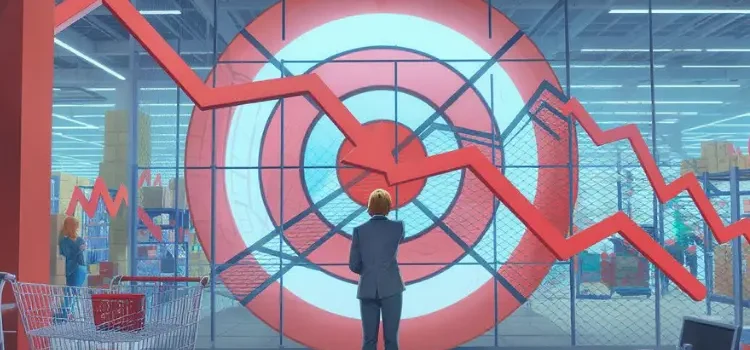
Target, one of the largest retail chains in the United States, has recently experienced a significant drop in sales, prompting investors and industry analysts to scrutinize the underlying causes. While the retailer has long been admired for its strategic marketing and product offerings, shifting market conditions, consumer behavior, and operational challenges have contributed to a notable decline in revenue. Understanding these factors is crucial for both investors and competitors seeking insights into the evolving retail landscape.
Changing Consumer Behavior and Spending Patterns
One of the most significant factors behind Target’s sales slide is the shift in consumer spending patterns. Rising inflation and economic uncertainty have caused shoppers to prioritize essentials over discretionary purchases. Categories that traditionally drove higher margins, such as home goods and apparel, have experienced lower demand, directly impacting Target’s revenue streams.
Retailers must continuously adapt to evolving consumer preferences, and failure to anticipate these shifts can result in reduced foot traffic and declining sales. Technology insights indicate that digital engagement and personalized promotions can help mitigate such trends, but Target is still navigating the challenges of aligning its strategies with changing consumer priorities.
Intense Competition in the Retail Sector
Target faces fierce competition from other major retailers and online marketplaces. Giants like Walmart and Amazon continue to capture market share with aggressive pricing strategies, fast shipping options, and expansive product selections. The competition for consumer attention and loyalty has intensified, leaving Target under pressure to innovate while maintaining profitability.
Marketing trends analysis shows that retail brands that fail to differentiate themselves risk losing customers to competitors offering greater convenience and value. Target’s recent sales slide reflects the growing need to integrate omnichannel strategies and leverage digital marketing to remain relevant in a crowded marketplace.
Supply Chain and Operational Challenges
Operational hurdles have also played a role in Target’s sales decline. Disruptions in the supply chain, whether due to labor shortages, shipping delays, or inventory mismanagement, have hindered the retailer’s ability to meet consumer demand efficiently. Inconsistent product availability not only affects sales but can also erode customer trust and brand loyalty over time.
Finance industry updates emphasize that operational efficiency is critical for sustaining revenue growth in the retail sector. Companies that optimize logistics, streamline inventory management, and anticipate supply chain risks are better positioned to navigate market fluctuations. Target’s recent performance highlights the consequences of operational bottlenecks in an increasingly competitive environment.
Economic and Market Pressures
Broader economic conditions, including interest rate changes, inflationary pressures, and fluctuating consumer confidence, have contributed to Target’s sales challenges. These macroeconomic factors influence discretionary spending and can amplify the impact of other internal challenges such as pricing strategies and product assortment decisions.
Sales strategies and research suggest that retailers must closely monitor economic indicators to adjust promotions, inventory levels, and marketing campaigns effectively. By staying attuned to market pressures, Target and other retailers can develop proactive strategies to maintain sales momentum despite challenging economic conditions.
Actionable Insights: Lessons from Target’s Sales Slide
For businesses and investors, Target’s recent sales decline provides valuable lessons in adaptability, strategy, and operational management. Companies should continuously analyze consumer behavior, anticipate market shifts, and optimize supply chains to remain competitive. Integrating technology insights, marketing trends analysis, and finance industry updates into decision-making processes allows organizations to respond effectively to challenges and capitalize on emerging opportunities.
Retailers can also benefit from adopting omnichannel approaches that combine online and in-store experiences, leveraging data-driven insights to personalize promotions and enhance customer engagement. The convergence of sales strategies, HR trends and insights, and IT industry news can further strengthen operational efficiency and workforce alignment, creating resilience in a dynamic market landscape.
Connect with BusinessInfoPro today to explore in-depth retail analysis and actionable strategies to navigate challenging market conditions.
Source : Financialexpress