


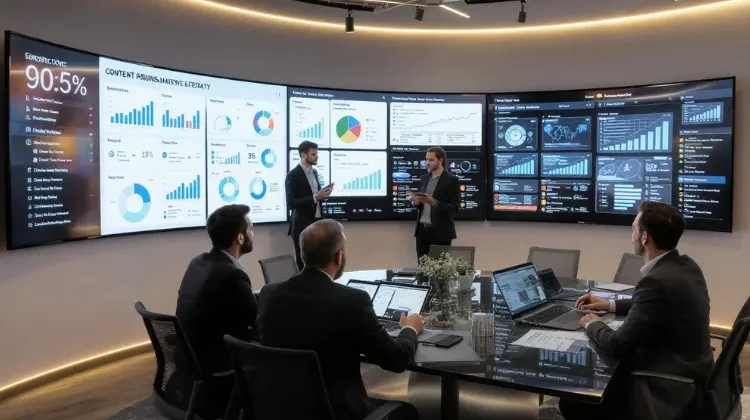



The modern workplace is evolving rapidly as organizations worldwide embrace hybrid work models. These arrangements are reshaping employee routines. They are also influencing broader business strategies. From split-week schedules to alternating days, hybrid work offers greater flexibility. This flexibility is now a key factor in attracting and retaining talent. Technology insights show that companies using digital collaboration tools achieve smoother transitions. They also report higher engagement when implementing hybrid systems.
Split-Week Schedules in Practice
Split-week schedules allow employees to divide their time between remote work and office presence. They often dedicate specific days to in-person collaboration and others to focused remote tasks. This model supports productivity while still maintaining team cohesion. Businesses monitoring HR trends and insights report higher employee satisfaction and reduced burnout when split-week arrangements are thoughtfully designed. Tools that track work patterns and measure engagement help ensure employees remain efficient without feeling isolated.
Alternating Days Models
Alternating days models rotate staff between in-office and remote work on different days of the week This approach provides operational continuity while reducing office crowding and supporting social distancing requirements in certain contexts Alternating days schedules often appeal to employees seeking routine without sacrificing flexibility Finance industry updates indicate that organizations employing this model experience fewer scheduling conflicts and enhanced resource management
Core Week Flexibility
Some companies use a core week model that requires office attendance only on selected days. The remaining days are flexible for remote work. This approach supports collaborative sessions and important meetings. It also allows personal scheduling for focused individual tasks. Technology insights show that hybrid platforms improve this model. They enable real-time updates and seamless virtual communication.
Custom Rotational Systems
Custom rotational systems are tailored to specific organizational needs and team structures. Employees may rotate between teams or projects, following different in-office or remote schedules. This model supports dynamic workload management and stays aligned with business goals. Sales strategies and research also show that rotational models improve cross-functional collaboration. They help drive innovation by exposing employees to diverse perspectives and workflows.
Hybrid Task-Based Planning
Some organizations structure hybrid work around specific tasks rather than fixed days Employees attend the office only when certain tasks require in-person interaction This task-based approach emphasizes efficiency and prioritizes critical engagements while maintaining flexibility Marketing trends analysis suggests that this model can improve project delivery timelines and foster a results-oriented culture by aligning work environment with task requirements
The Benefits and Challenges of Hybrid Work
Across all hybrid arrangements employees benefit from reduced commuting time increased autonomy and improved work-life balance Meanwhile employers can optimize real estate costs and enhance talent retention However challenges remain including maintaining team cohesion and ensuring consistent communication IT industry news highlights that organizations investing in collaboration tools and digital infrastructure are better positioned to address these challenges while supporting a seamless hybrid experience
Actionable Knowledge for Organizations
To leverage hybrid work models effectively companies should evaluate which arrangement aligns best with their organizational culture and operational needs Conduct surveys and gather feedback to understand employee preferences and productivity patterns Implement digital tools that facilitate collaboration and transparency across remote and in-person teams Establish clear guidelines and expectations for hybrid engagement Monitor performance metrics regularly to ensure alignment with business goals Review HR trends and insights to remain updated on evolving workforce expectations and adapt strategies accordingly
Businesses should also consider finance industry updates when planning hybrid work to understand cost implications and potential operational efficiencies Sales strategies and research can guide decision-making for team structures and project assignments while marketing trends analysis can inform communication approaches and brand positioning in a hybrid environment
For organizations seeking tailored guidance on implementing hybrid work models or optimizing current arrangements reach out to BusinessInfoPro
BusinessInfoPro offers expert insights and practical strategies to help businesses embrace hybrid work while maximizing productivity and employee satisfaction
Source: shrm.org/in