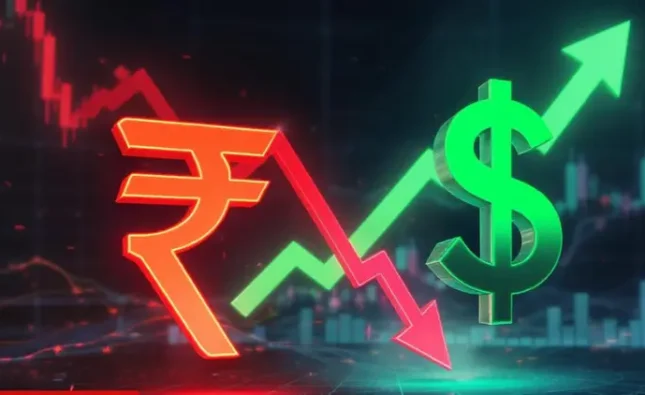





The question will US Venezuela tensions raise India’s oil import bill is gaining attention as energy markets react to shifting geopolitical equations. India relies heavily on imported crude and any disruption in supply or pricing tends to ripple quickly across the economy. When relations between major producers and consuming nations become strained the impact is rarely confined to one region. Instead it reshapes global trade flows pricing benchmarks and long term contracts.
At the same time investors policy makers and businesses tracking finance industry updates are watching closely. The global oil market has already experienced volatility due to production cuts sanctions and demand fluctuations. Against this backdrop even a limited escalation between the United States and Venezuela can create uncertainty that directly or indirectly affects India.
Understanding the US Venezuela energy dynamic
To assess whether US Venezuela tensions raise India’s oil import bill it is important to understand how these two countries influence oil supply. Venezuela holds some of the world’s largest proven oil reserves. However production has been constrained for years due to sanctions underinvestment and infrastructure challenges. When US policies tighten restrictions Venezuelan exports often decline further.
However when there are signs of easing restrictions global markets respond with cautious optimism. Therefore the direction of US Venezuela relations matters more for sentiment than for immediate volumes. Nevertheless market sentiment itself can influence prices which India pays for its imports.
India’s oil import exposure and pricing sensitivity
India imports more than eighty percent of its crude oil needs. As a result even small price movements can significantly alter the total import bill. When analysts debate will US Venezuela tensions raise India’s oil import bill they often point to benchmark crude prices rather than direct trade links.
India does not rely heavily on Venezuelan crude at present. Instead it sources oil from the Middle East Russia and other producers. However oil is priced globally. If tensions push prices upward India feels the impact regardless of the source. This is why finance industry updates frequently connect geopolitical events to inflation and fiscal pressure in India.
Market reactions and short term volatility
In the short term US Venezuela tensions can inject volatility into oil markets. Traders react quickly to headlines sometimes pushing prices higher on perceived supply risks. As a result India’s oil import bill could rise temporarily even without actual supply disruptions.
However market analysts also note that global supply remains relatively diversified. Strategic reserves production adjustments by other producers and softer demand growth can offset potential losses. Therefore while volatility may increase the long term impact could be limited. This balanced view is essential when evaluating will US Venezuela tensions raise India’s oil import bill beyond short lived fluctuations.
Broader trade implications for India
Beyond crude prices there are wider trade considerations. Higher oil import costs can weaken the rupee widen the current account deficit and increase transportation costs across sectors. This in turn affects manufacturing agriculture and consumer prices. Consequently business leaders following technology insights and IT industry news also watch energy trends because cost pressures influence investment and digital transformation budgets.
Moreover when fuel costs rise companies may slow hiring or adjust compensation strategies linking energy trends indirectly to HR trends and insights. In this way geopolitical tensions create a chain reaction across the economy rather than a single isolated impact.
Strategic buffers and policy responses
India has taken steps to reduce vulnerability to global shocks. Strategic petroleum reserves long term supply agreements and diversified sourcing help cushion sudden price spikes. Therefore even if US Venezuela tensions raise India’s oil import bill in the near term the impact may be moderated by policy measures.
Additionally India has increased purchases from discounted sources in recent years. This pragmatic approach allows refiners to manage costs while maintaining supply security. Such strategies are often highlighted in sales strategies and research focused on procurement and risk management.
Long term outlook for energy security
Looking ahead the central question remains will US Venezuela tensions raise India’s oil import bill in a sustained manner. Most analysts believe the effect will depend on duration and intensity. Brief diplomatic standoffs may cause temporary price movements. Prolonged sanctions or supply disruptions would have a more lasting effect.
At the same time India is accelerating investments in renewable energy and alternative fuels. Although oil will remain crucial in the medium term the gradual shift toward cleaner energy reduces long term exposure. Marketing trends analysis shows that energy transition narratives are increasingly influencing investor perception and corporate branding.
What businesses and policymakers should watch next
Rather than reacting to every headline decision makers should monitor concrete indicators. These include changes in sanctions policy actual Venezuelan production levels and responses from other major producers. Tracking these factors provides clearer insight into whether US Venezuela tensions raise India’s oil import bill in a meaningful way.
Businesses should also model scenarios that include moderate fuel price increases. This proactive approach supports better budgeting and pricing decisions. Policymakers meanwhile must balance inflation control with growth priorities ensuring that energy costs do not derail recovery.
Practical insights for navigating energy driven uncertainty
Companies can hedge fuel exposure renegotiate logistics contracts and improve energy efficiency to manage cost risks. Finance teams should align forecasts with global energy indicators while HR leaders consider how cost pressures influence workforce planning. Technology leaders can use data analytics to track price trends and optimize operations. By integrating insights across departments organizations can stay resilient even if oil prices rise.
Ready to stay ahead of critical business shifts?
Connect with BusinessInfoPro for expert analysis and strategic insights that help you navigate global uncertainty with confidence.
Source: financialexpress.com