





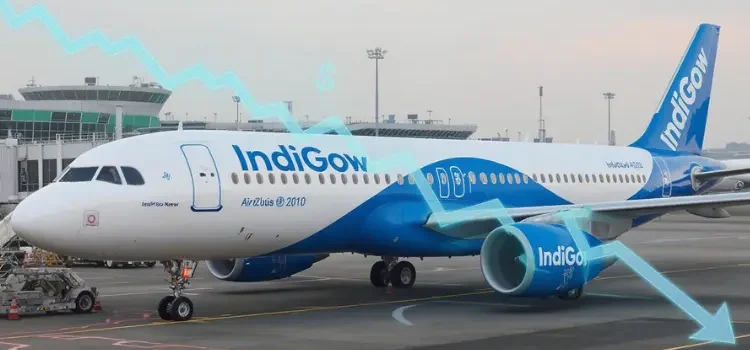
IndiGo Q3 profit plunges 78 percent to ₹549.1 crore and the numbers have immediately drawn attention across the finance industry updates space. As India largest airline by market share the company has long been viewed as a benchmark for operational efficiency. However this quarter tells a different story. While revenue growth remained steady the bottom line faced intense pressure leading analysts and investors to reassess near term expectations.
At the same time this performance reflects broader economic signals. Fuel volatility currency movement and demand fluctuations have created a complex environment for airlines. Therefore IndiGo results are not just about one company but also about how the aviation sector adapts in a shifting market landscape.
Cost pressures take center stage
One of the primary reasons IndiGo Q3 profit plunges 78 percent is the sharp rise in operating expenses. Aviation turbine fuel prices stayed elevated for most of the quarter which directly impacted margins. In addition lease rentals and maintenance costs increased due to global supply chain challenges and currency depreciation.
Moreover employee related expenses also moved upward. As HR trends and insights indicate the aviation sector is experiencing higher talent costs driven by pilot shortages and retention pressures. Consequently IndiGo had limited room to absorb these expenses without affecting profitability.
Demand remains strong but yields soften
Interestingly passenger demand did not weaken significantly. Load factors remained healthy supported by festive travel and steady domestic mobility. However yields came under pressure as competitive pricing intensified across major routes. Airlines focused on maintaining market share which resulted in discounted fares in several high traffic sectors.
As a result revenue growth could not fully offset the rising cost base. This mismatch explains why IndiGo Q3 profit plunges 78 percent despite stable passenger volumes. It also highlights a key challenge airlines face when growth does not translate into proportional earnings.
Competitive dynamics reshape strategy
The Indian aviation market is becoming increasingly competitive. New aircraft inductions and route expansions by rivals have altered pricing power. Therefore IndiGo has been compelled to balance expansion with profitability. While its scale provides advantages it also requires continuous investment in fleet and technology.
From a technology insights perspective IndiGo continues to invest in digital operations predictive maintenance and customer experience platforms. However such investments tend to deliver returns over the long term rather than immediate profit support. Hence short term financial strain is often an unavoidable outcome.
External factors add further strain
Global macroeconomic conditions also played a role this quarter. Currency fluctuations increased dollar denominated costs while geopolitical uncertainty kept fuel markets volatile. Additionally regulatory charges and airport related fees continued to rise adding another layer of financial pressure.
These external elements are largely beyond management control. Still they significantly influence quarterly outcomes. Therefore when IndiGo Q3 profit plunges 78 percent it reflects not only internal cost management but also an environment that remains challenging for the entire aviation ecosystem.
Market reaction and investor sentiment
Following the earnings announcement market participants responded with caution. Investors are now closely watching management commentary and future guidance. The focus has shifted toward cost rationalization capacity deployment and yield improvement strategies.
From a sales strategies and research viewpoint airlines may need to rethink ancillary revenue models loyalty programs and route optimization. These areas can help stabilize margins when ticket pricing alone fails to deliver sufficient returns.
Broader implications across industries
The ripple effect of IndiGo results extends beyond aviation. For professionals tracking IT industry news the emphasis on automation and efficiency solutions may grow as airlines look to reduce manual costs. Similarly marketing trends analysis shows that targeted pricing and personalized promotions could become more prominent to improve yields.
In parallel finance industry updates suggest lenders and lessors may reassess risk pricing for airline operators. Meanwhile HR trends and insights point toward more strategic workforce planning to balance growth with sustainable compensation structures.
Key insights for business leaders and investors
Understanding why IndiGo Q3 profit plunges 78 percent offers valuable lessons across sectors. Cost management must evolve alongside growth strategies rather than lag behind them. Businesses operating in high volume low margin environments need strong buffers against external shocks.
Furthermore reliance on demand growth alone is rarely sufficient. Companies must diversify revenue streams invest wisely in technology and maintain flexibility in pricing models. These principles apply equally to aviation retail and enterprise services.
Strategic takeaways for navigating volatility
Looking ahead companies facing similar pressures can draw actionable knowledge from this episode. Proactive fuel hedging disciplined capacity planning and data driven pricing decisions are becoming essential. Additionally collaboration with technology partners can unlock efficiencies that protect margins over time.
For decision makers monitoring marketing trends analysis and sales strategies and research the message is clear adaptability matters more than scale alone. Sustainable profitability depends on anticipating shifts rather than reacting to them.
Stay ahead of critical business movements with BusinessInfoPro where data driven stories meet strategic clarity. Connect with our team to gain deeper insights that empower smarter decisions across industries.
Source : thehindu.com