


In today’s rapidly evolving business environment, organizations are realizing that their most valuable asset isn’t technology or infrastructure it’s their people. Employee development has emerged as a strategic priority, and at the center of this transformation stands the Human Resources (HR) department. The role of HR in employee development and workforce growth goes beyond recruitment and payroll it’s about creating a learning culture that empowers employees to grow, perform, and stay engaged.
HR as the Architect of Employee Growth
HR plays a critical role in shaping the foundation for employee development by aligning learning initiatives with business objectives. Rather than viewing training as an occasional activity, HR integrates development programs into the organization’s core strategy. This ensures that every employee, from entry-level to executive, has access to opportunities that enhance their skills, confidence, and contribution.
By conducting regular skill gap analyses, HR identifies the areas where training can deliver the highest impact. This data-driven approach ensures that development efforts are not only effective but also future-focused preparing employees for evolving market needs, digital tools, and new business challenges.
Building a Continuous Learning Culture
Modern organizations thrive on continuous learning. HR professionals design structured programs that allow employees to learn at their own pace, through both formal and informal methods. From online learning platforms and mentorship programs to leadership workshops and peer coaching, HR ensures that development is accessible, engaging, and measurable.
Creating this culture also means redefining the traditional perception of learning. Instead of one-time training sessions, HR fosters a mindset where employees seek improvement as a daily habit. This shift builds a resilient, agile, and innovative workforce capable of adapting to industry changes.
The Connection Between Employee Development and Retention
An investment in employee development is an investment in retention. HR departments that prioritize development see lower turnover rates and higher job satisfaction. Employees are more likely to stay in an organization that values their growth and career trajectory.
By mapping out clear career paths and providing access to skill enhancement programs, HR nurtures a sense of purpose and belonging. When employees see a future within the company, they become more engaged, productive, and loyal. This engagement directly contributes to workforce stability and long-term business performance.
Leadership Development and Succession Planning
Leadership doesn’t just happen it’s cultivated. HR’s role in leadership development ensures that organizations have a strong pipeline of future leaders ready to take on strategic responsibilities. Through coaching, executive mentoring, and targeted skill-building, HR helps identify and groom high-potential employees.
Succession planning becomes smoother when HR proactively identifies talent capable of filling key roles. This not only prevents disruptions in operations but also enhances confidence across teams. A robust leadership development strategy creates a sense of readiness, helping the organization navigate transitions seamlessly.
Technology and the Evolution of Employee Development
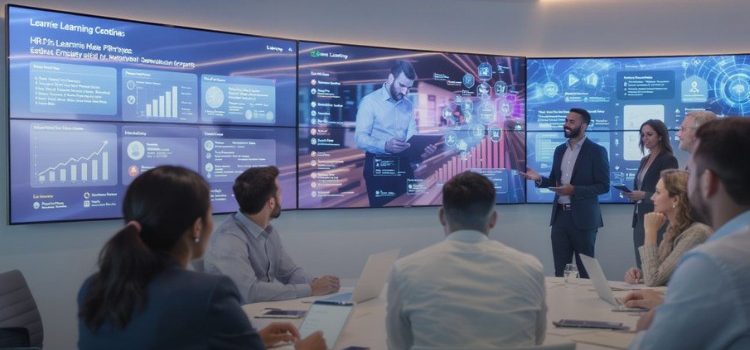
The digital transformation era has revolutionized HR’s approach to learning and development. AI-powered learning platforms, virtual simulations, and data analytics tools are enabling personalized and scalable development programs. HR professionals can now deliver content tailored to individual learning styles, monitor progress in real time, and measure training effectiveness.
This technological integration not only saves time but also ensures consistency and accessibility across global teams. Employees can upskill anytime, anywhere turning development into a dynamic, ongoing experience. Moreover, HR analytics allow leaders to assess which programs are driving real behavioral change and performance improvement.
Fostering Diversity and Inclusion Through Development
HR plays a vital role in ensuring that employee development opportunities are inclusive and equitable. A diverse workforce brings varied perspectives, and HR ensures that training programs reflect and support that diversity. Inclusive development initiatives help employees from different backgrounds feel valued, represented, and empowered to grow.
By addressing unconscious bias, promoting cultural intelligence, and encouraging cross-functional collaboration, HR builds an environment where diversity thrives. This not only improves employee morale but also fuels creativity, innovation, and overall organizational performance.
The Strategic Role of HR in Workforce Growth
Workforce growth is not just about hiring more people it’s about enhancing the value of the existing workforce. HR achieves this by aligning development initiatives with long-term business goals. Whether it’s preparing for digital transformation, entering new markets, or adapting to remote work models, HR ensures that employees are equipped with the skills and mindset required to succeed.
Furthermore, HR leverages analytics to forecast workforce needs, identify emerging skills, and anticipate challenges. This proactive approach transforms HR from a support function into a strategic growth partner, driving both individual and organizational advancement.
Measuring the Impact of Development Programs
One of the most significant contributions of HR in employee development is its focus on measurable outcomes. By establishing clear KPIs such as employee engagement scores, productivity improvements, and retention rates HR can quantify the success of its initiatives.
Through feedback loops, performance reviews, and post-training assessments, HR ensures that every development effort translates into tangible results. The data gathered helps refine programs, justify investments, and demonstrate how development directly impacts profitability and growth.
Employee Development as a Competitive Advantage
In a global economy driven by innovation and talent, organizations that prioritize employee development gain a lasting competitive edge. Skilled, motivated, and future-ready employees are more adaptable to change, more committed to their roles, and more likely to contribute ideas that drive innovation.
HR acts as the bridge between corporate strategy and individual potential, ensuring that growth at the employee level translates into business expansion. By turning learning into a core organizational value, HR helps businesses evolve continuously while nurturing human potential at every stage.
As employee development continues to shape the future of work, innovation will define success. Leverage AI-powered engagement, targeted talent growth, and scalable workforce strategies with Businessinfopro. Transform how your organization nurtures, develops, and retains talent for long-term success.