
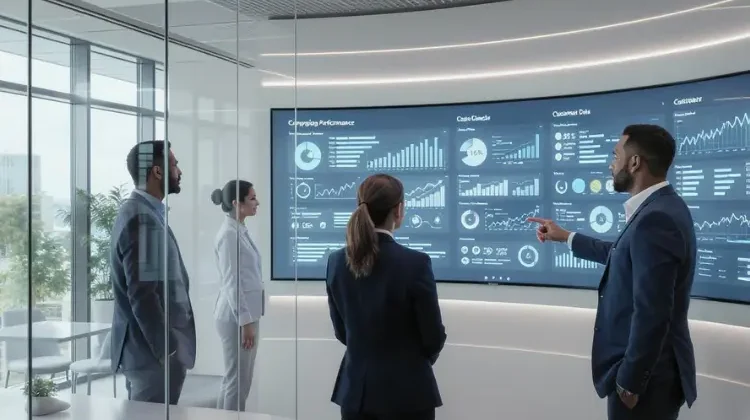

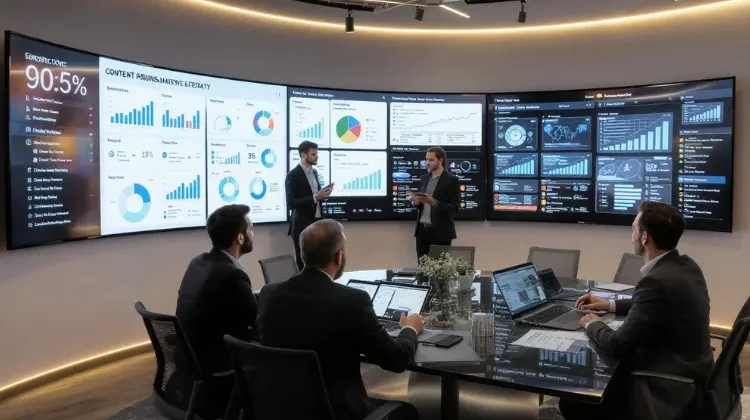


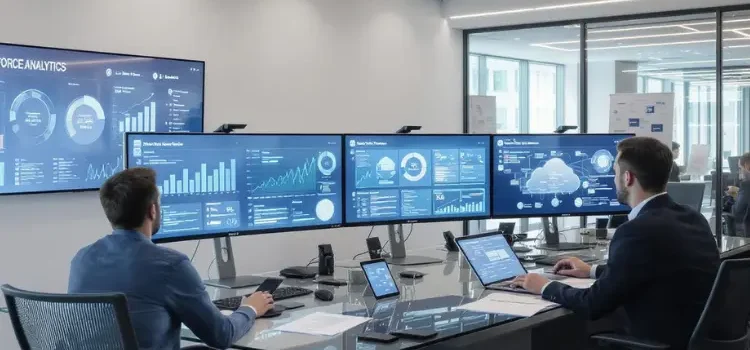
The evolution of HR has always mirrored the advances in technology. From manual record-keeping and paper-heavy processes to fully integrated digital systems, human resources has transformed dramatically over the decades. Among these advancements, cloud computing in HR has emerged as a game-changer, redefining how organizations manage talent, streamline operations, and enhance employee experiences.
The Origins of Cloud Computing in HR
Cloud computing first entered the IT industry as a way to store and manage large amounts of data efficiently. Early HR systems were primarily on-premises solutions that required significant hardware investments and were limited in flexibility. The adoption of cloud technology in HR began as businesses sought more scalable and cost-effective solutions to handle employee information, payroll, and compliance requirements.
By centralizing data in the cloud, HR teams gained the ability to access records securely from anywhere, paving the way for remote workforce management and more collaborative organizational structures. This early phase marked the beginning of a shift toward data-driven HR strategies, where analytics started informing key decisions about recruitment, retention, and employee engagement.
Modern Innovation: How Cloud Computing Transforms HR Today
Today, cloud computing in HR is no longer just about data storage. It powers comprehensive human capital management platforms that integrate recruitment, performance evaluation, payroll, and employee learning modules into a single ecosystem. These innovations allow HR professionals to focus on strategic decision-making rather than administrative tasks.
Cloud-based HR systems also enhance employee experiences by providing self-service portals, mobile access, and real-time insights into performance metrics. The integration of AI and machine learning further elevates these platforms, offering predictive analytics, talent acquisition optimization, and personalized career development plans.
Organizations that adopt cloud-based HR solutions benefit from increased agility, improved compliance, and cost savings. Moreover, the flexibility offered by cloud computing ensures that companies can scale their HR operations seamlessly as they grow or pivot in response to market demands.
The Broader Impact on HR Trends and Insights
Cloud computing in HR is shaping broader trends in workforce management. For instance, remote work has become more feasible due to cloud-based collaboration tools, while talent analytics help leaders make informed decisions about workforce planning. HR departments can now leverage data to identify skill gaps, enhance diversity initiatives, and improve employee engagement strategies.
These innovations are closely tied to technology insights and IT industry news, as HR leaders increasingly rely on tech-driven solutions to remain competitive. By aligning HR practices with emerging trends in technology, organizations can create a more responsive and future-ready workforce.
Integration with Other Business Functions
Beyond HR, cloud computing supports seamless integration with finance and marketing functions. Payroll and benefits management connect with finance industry updates to ensure accurate budgeting and reporting, while recruitment analytics feed into sales strategies and research to help identify high-potential talent. Marketing teams can also leverage workforce insights to improve internal communications and employee branding initiatives.
This interconnected approach fosters collaboration across departments and ensures that human capital strategies align with overall business objectives. It also highlights the growing importance of cross-functional data in shaping organizational growth.
Actionable Insights: Leveraging Cloud Computing in HR
To maximize the benefits of cloud computing in HR, organizations should consider adopting an integrated HR platform that aligns with their strategic objectives. Investing in employee training on cloud tools ensures a smoother transition and higher engagement. Additionally, regularly analyzing HR data helps leaders anticipate workforce trends, optimize resource allocation, and implement proactive retention strategies.
Organizations should also monitor technology insights and HR trends and insights to stay ahead of emerging challenges. Leveraging cloud computing effectively can enhance decision-making, streamline operations, and foster a more engaged workforce.
Connect with BusinessInfoPro today to explore how cloud computing in HR can transform your workforce and elevate your organizational strategy.